

Jasper’s interim housing program is fully subscribed, more than half of wildfire-affected leaseholders have initiated their permitting and Jasper’s last remaining residential site requiring debris removal is scheduled to be cleaned up by Tuesday (March 10).
The update came by way of the most recent update to Jasper Municipal Council from the Jasper Recovery Coordination Centre (JRCC).
“We’re getting very near the end of the debris removal process and that is something that we are all very excited for,” Jasper’s Director of Recovery Michael Fark told council.
Fark also noted interim housing is currently sheltering 713 individuals, and all in-town units continue to remain occupied or allocated. Occupancy was recently granted to the Patricia Circle site and move-ins are underway, while occupancy of the United Church site is expected before March 15.
The online application portals are now live for long-term resident camping at Whistlers and contractor camping at Wabasso.
More than 50 per cent of wildfire-affected homeowners have begun the permitting process. Fark said Jasper was outperforming comparable municipalities in development permit timelines and was down to an average of 24 business days over the last six months.
The Canadian Red Cross also surveyed 80 property owners that haven’t applied for permits yet, who indicated they face rebuild challenges such as design considerations.
“Many people have never contemplated building their home, and now they are forced to do so, they have to go through the difficult process of deciding what they want to build,” Fark said.
Two year deadline
Other hurdles include financial challenges, settling insurance claims and geotechnical complexity. Fark added that some lots have changed hands since the fire, and the new owners were not necessarily in a position to apply.
Under Alberta’s Insurance Act, insured parties have a two-year time limit to initiate legal action against an insurer. Fark explained that some insurance companies will offer a voluntary extension, but others may not. He said the JRCC cannot compel leaseholders to request a voluntary extension, but they are strongly encouraging those who have not closed their claim by the two year limit to act to either secure an extension or file a statement of claim.
Councillor Laurie Rodger wanted to make it clear that households that have not yet closed their claim need to take proactive steps ahead of the two year deadline.
“If they don’t get a voluntary extension, they’re dead in the water,” Roger said.
He added that even for homeowners who are not planning to dispute their claim, “when the two years comes up, the insurance company could walk away.”
“It should be made extremely clear to people that the two year date is a drop dead date and they have to be extremely careful and very very clear that they don’t have any ambiguity at all,” Roger said.
Flagship trail set to reopen late spring
Parks Canada plans to reopen the Valley of the Five Lakes by late spring as work continues to restore Jasper National Park following the devastating 2024 wildfire.
Meanwhile Maligne Canyon, Edith Cavell Road and Trail 9c (Tekarra Loop) will remain closed for the foreseeable future.
Amy Cairns, Parks Canada’s director of recovery, told municipal council on Tuesday (March 3) that while much of the park has reopened, these locations required more complex work.
“In these areas, the most significant impacts of the wildfire aren’t always visible at the surface,” Cairns said. “They’re happening underground, where the soil structure, the root systems and water movement have all been altered.”
Cairns did not provide an estimated reopening date for these areas. Parks Canada will need to fully identify hazards and finalize mitigation plans before starting on rebuilding and repairs, she said.
The Valley of the Five Lakes will include a realigned section of trail with new ridgeline views, improved signage, upgraded trail surfaces and new rest areas with benches and picnic tables.
Other trails slated to reopen this year include Wabasso Lake Trail, Trail 9 and Curator Trail.
Privies, way-finding and hazardous trees
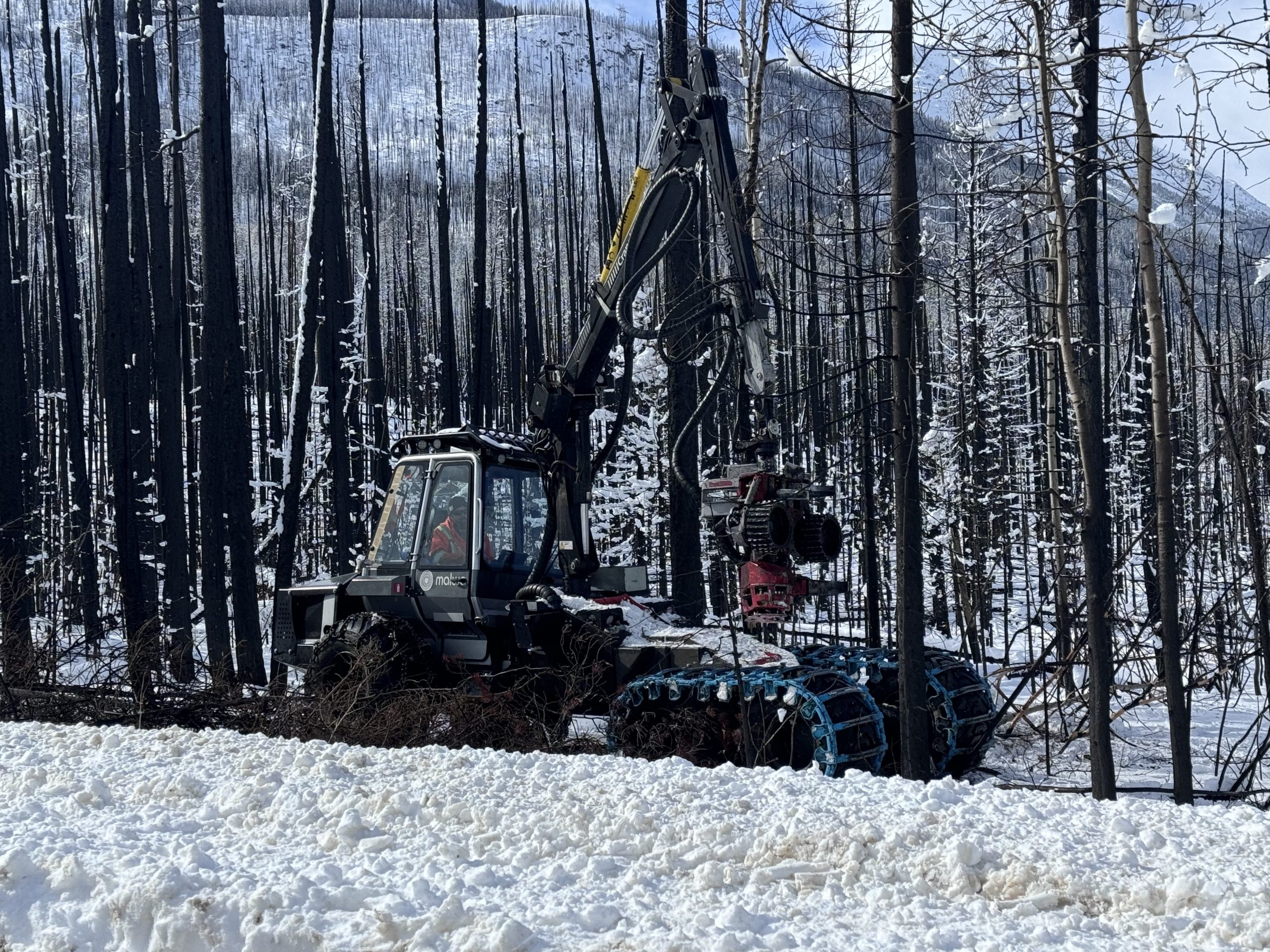
The Jasper wildfire burnt 33,000 hectares of forest, which created safety risks such as hazardous trees, slope instability, contamination and fire debris. Cairns said Parks Canada needed detailed impact assessments before certain areas could be safely reopened.
“Even as crews work to manage the large number of danger trees, the risk remains elevated,” she said. “We know from our colleagues in Waterton after the Kenow fire that elevated danger tree management will be required over the next 10 years.”
The fire also impacted Parks Canada’s infrastructure, including staff housing, campgrounds, visitor facilities and bridges—131 assets were lost and dozens more sustained damage.
In addition, 142 kilometres of trails and 95 kilometres of roads were damaged. Cairns noted this affected how people moved through the park and how recovery crews can access sites.
“These losses highlight the scale of the challenge we faced,” she said.
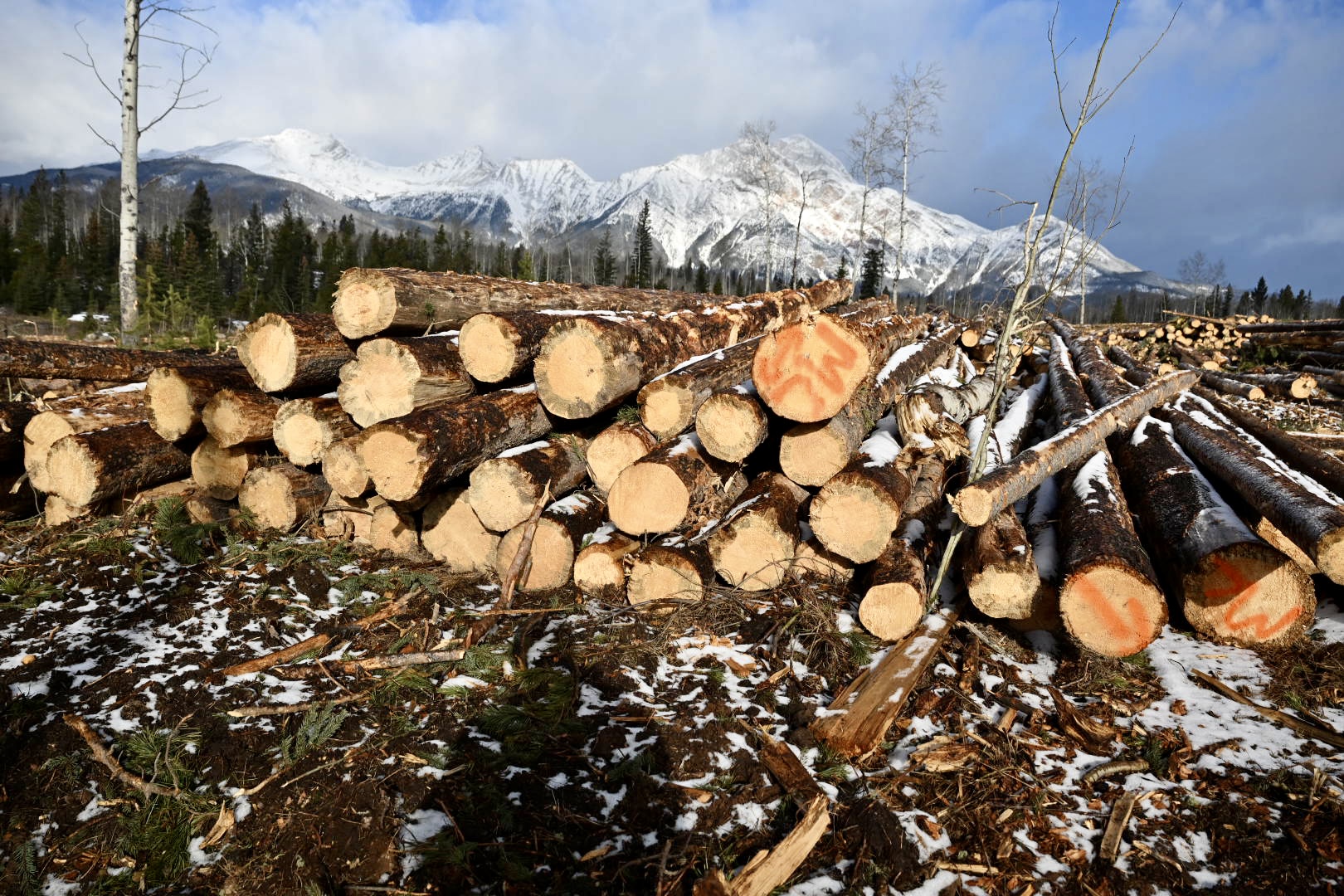
Parks Canada has since removed thousands of metric tons of debris and half a million hazardous trees from the landscape. It was able to reopen higher-priority and lower-impacted areas by fall 2024 and then focused on restoring winter recreation opportunities.
By July 2025, crews had cleared 112 kilometres of roads and 69 kilometres of trails, removed hazard trees from over 1,200 campsites and reopened 75 per cent of frontcountry campgrounds (more than 1,500 sites) as well as all backcountry campgrounds.
“Campgrounds are a central part of Jasper’s recovery, and reopening them safely is essential to welcoming visitors back and supporting the local tourism economy,” Cairns said.
By this spring, Parks Canada will replace eight privies as well as 136 highway signs and 142 campground signs. Work is underway to rebuild the southern park gate and staff housing.
Additional camping capacity will be provided through extended overflow camping and longer operating dates. Work is also underway for rebuilding and utility connection at heavily impacted sites that have yet to reopen.
While many areas are recovering naturally, Cairns said Parks Canada would restore high-priority sites such as highly visited areas and unstable slopes. Crews planted 18,000 native trees and 1,400 native grasses and removed nearly 4,900 kilograms of invasive plants.
Wildfire risk reduction
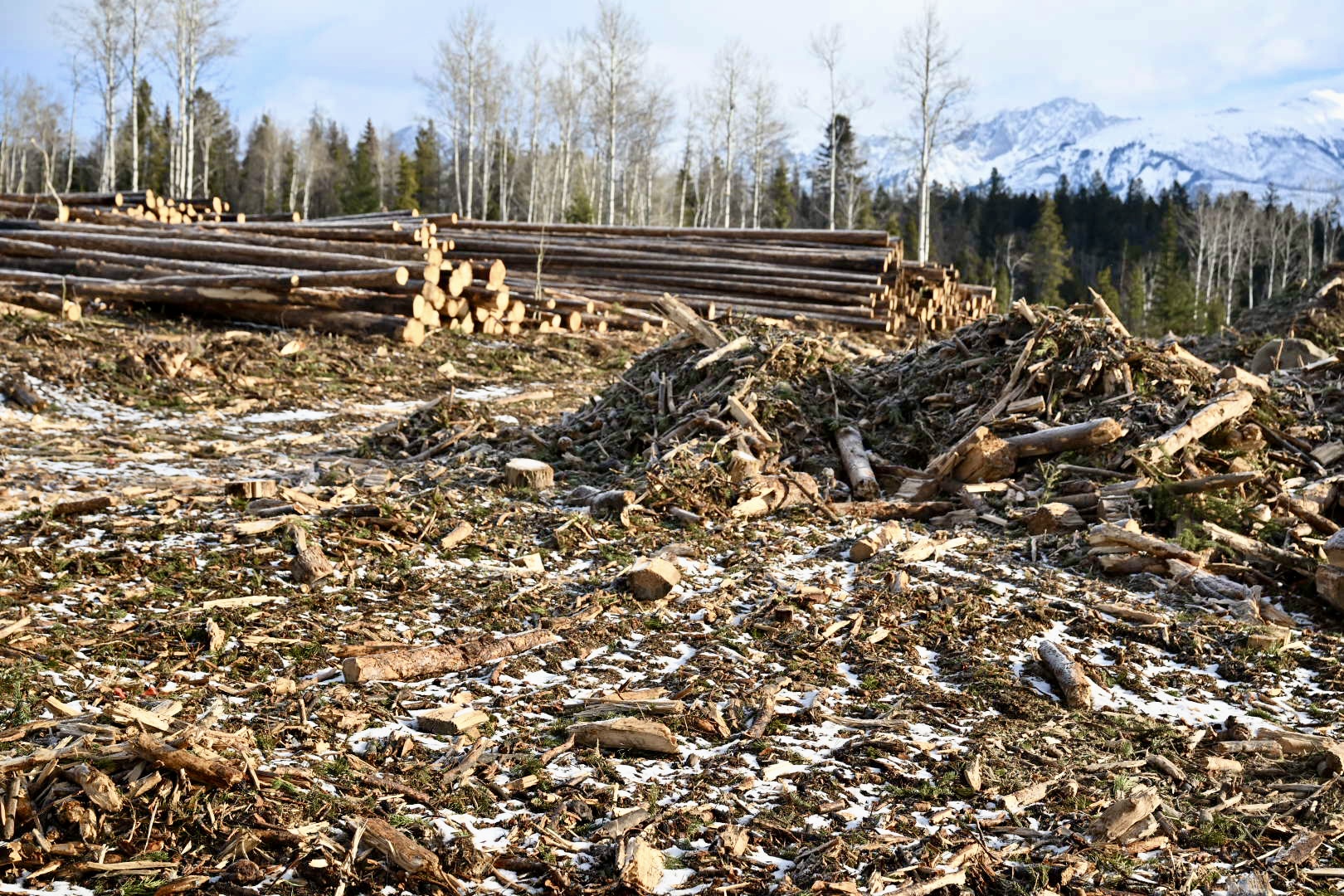
Parks Canada is treating 100 hectares of forest this winter season to mitigate the risk of wildfire.
“We know that Jasper exists in a fire-adaptive ecosystem,” said David Argument, resource conservation manager with Parks Canada.
“Wildfire in this environment is a natural process, but we also know that the question is not whether fire will occur but how well prepared we are for when it does.”
Argument explained how Parks Canada was linking areas of intensive vegetation management with landscape features such as wetlands to build a roughly 2.5-kilometre-wide fuel reduction zone surrounding the Jasper townsite.
This buffer zone is meant to reduce fire intensity, disrupt crown fire potential and improve suppression conditions close to the community. Argument cited a 2025 analysis into the Jasper wildfire that showed treated areas “measurably influenced” fire behaviour.
“While no treatment can entirely eliminate the risk, this work does change how wildfire behaves as it approaches town,” he said.
Once embers begin raining down on a neighbourhood, other factors such as structural characteristics and emergency preparedness also play a major role, which is why Parks Canada has a “layered” approach that requires additional measures, Argument said.
These efforts will include FireSmart assessments of federal buildings, replacing cedar shake roofs and working with the Municipality to incorporate wildfire-resilient principles into development guidelines.
Peter Shokeir, Local Journalism Initiative // info@thejasperlocal.com