

Some packrafters’ 2026 backcountry plans have been sunk after Parks Canada’s new Aquatic Invasive Species strategy surfaced recently, but whitewater advocates are hopeful that the conversation can remain fluid.
New rules unveiled as part of a broad strategy to help protect Canada’s mountain parks from Aquatic Invasive Species (AIS) have some paddlers feeling left high and dry.
Last week, Parks Canada announced steps the agency is taking to protect mountain lakes and rivers from AIS such as Whirling Disease—which was discovered in Lake Louise earlier this month.
“This disease is now on our doorstop,” said Jasper National Park resource conservation manager David Argument on Thursday, March 12.
To protect agains the introduction and spread of AIS in Banff, Jasper, Kootenay, Yoho and Waterton Lakes, Parks Canada’s new prevention strategy splits the mountain national parks into three zones, each with different thresholds of allowed activities and access.
Those zones—the water recreation zone, the water preservation zone and the special tactics zone—represent a strategy to protect park waters while allowing visitors to enjoy them responsibly, the agency has said.
“Once invasive species are installed, they are super hard to remove,” Jasper National Park Field Unit Superintendent Genevieve Caron said at JNP’s recent annual forum.
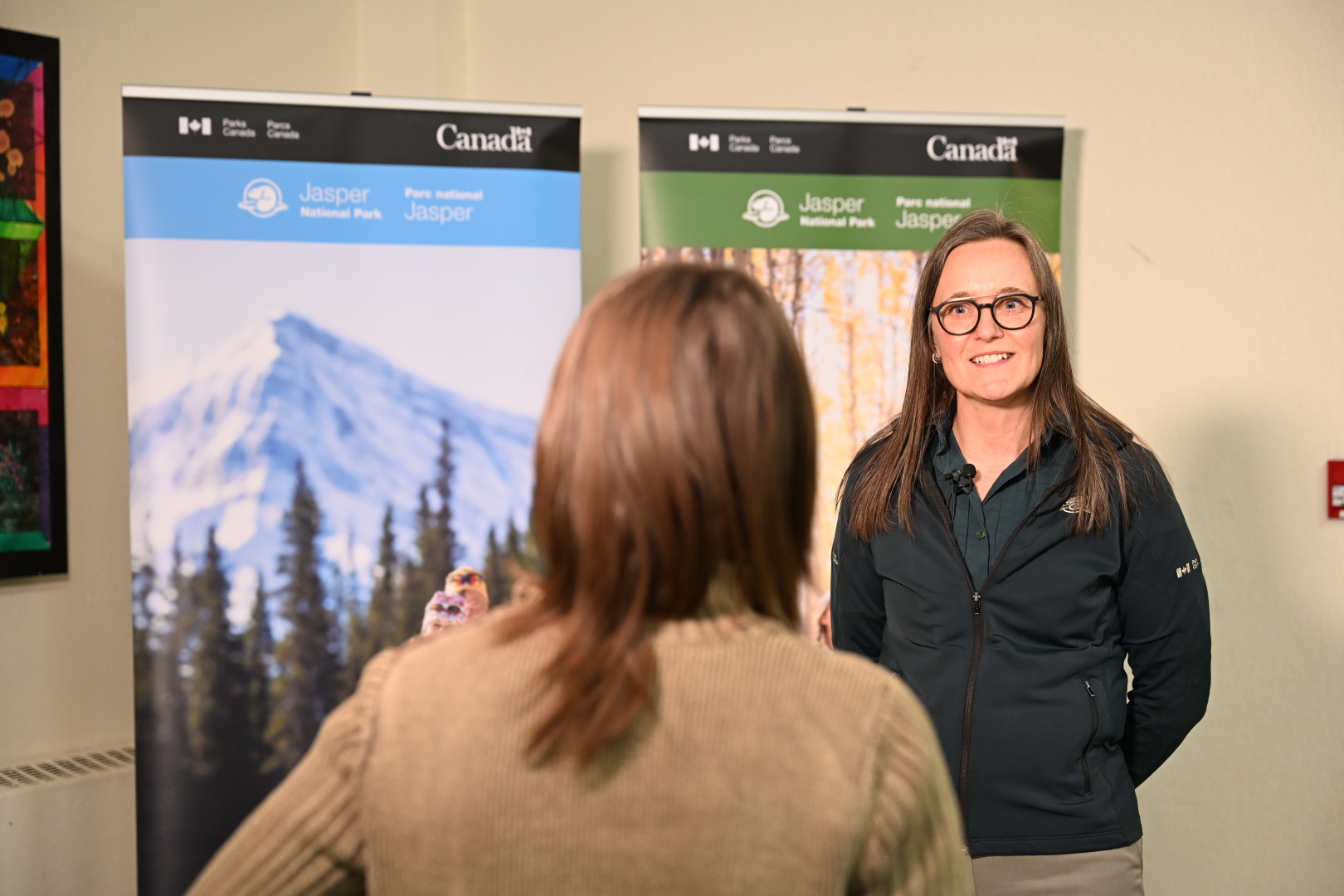
Caron says that Parks Canada’s coordinated strategy is based on science and how visitors use lakes and rivers in the mountain national parks. She said it aims to find the right balance of protection, “but also protect the [recreational] experience.”
But some park users aren’t so sure.
Jasper’s Michal Jurik is concerned that the strategy’s restrictions within the wide-spread water preservation zone is too far-reaching: less scalpel and more sledgehammer, as some paddlers have put it.
“This is a very radical step from Parks Canada,” Jurik says. “It’s devastating for the whitewater community.”
Jurik disagrees a fair balance has been struck between protection and recreation. In one fell swoop, he says, bucket list packrafting trips are now off-limits. In 2020, Jurik paddled from the headwaters of the Alexandra River, in Banff National Park. Last year he and a friend completed a remote circuit in the glacier-capped Winston Churchill Range of the Canadian Rockies, spilling from the trench of the Columbia Icefield before being carried down the first 50 km of the Athabasca River. He had designs on the Smoky River via JNP’s North Boundary Trail and would love to add to his list of remote lakes paddled in Jasper and Banff. However, being that most of the routes he covets are encompassed by the newly-delineated water preservation zone, those plans are now sunk.
“These new rules basically kill packrafting in parks,” Jurik said. “Why put this [strategy] up without discussing it with the pack rafting community of Canada?”
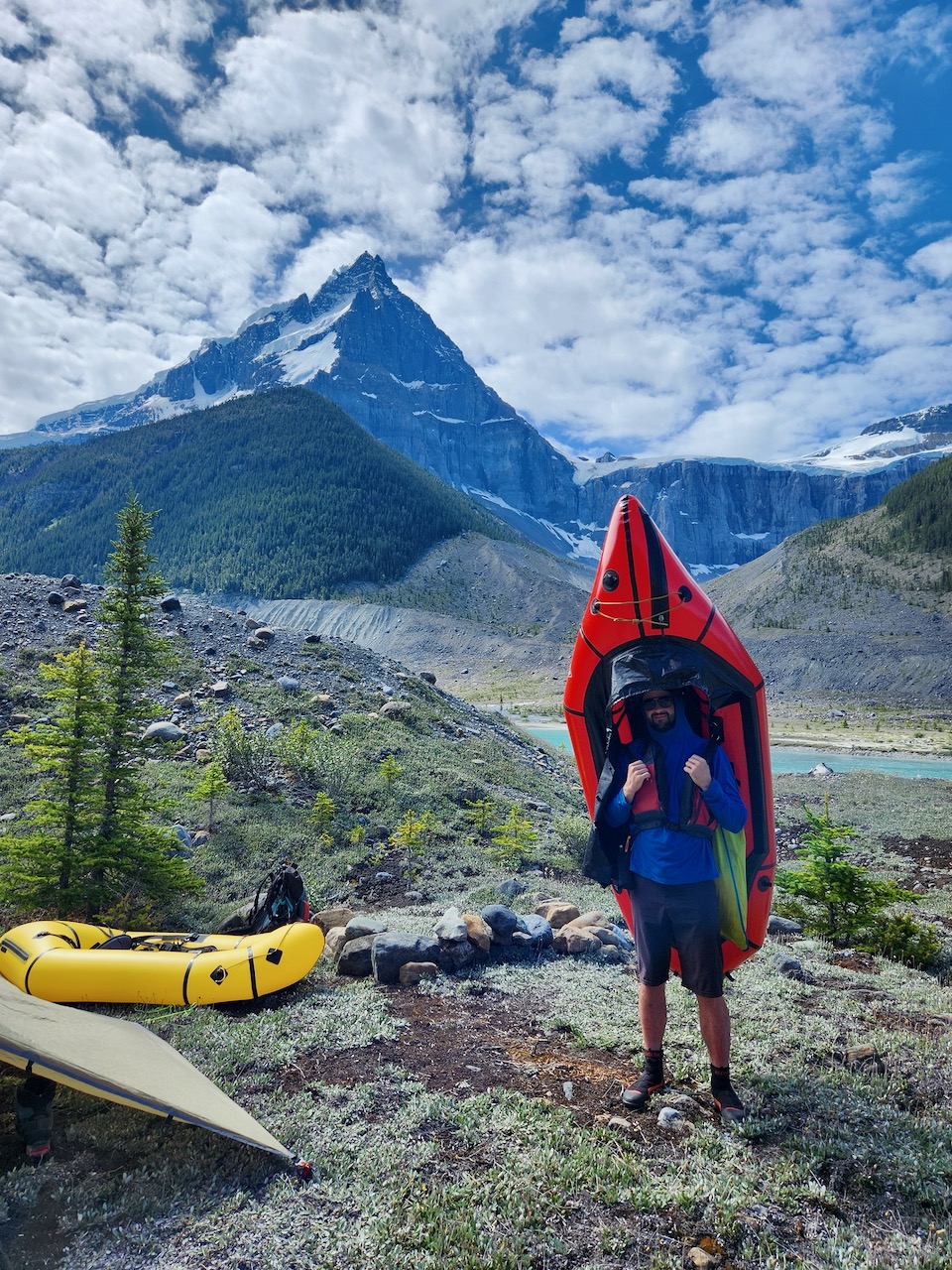
While commercial rafters in Jasper that operate on the Athabasca and Sunwapta Rivers were consulted, according to Argument, backcountry paddlers, Jurik says, were not.
Packrafters use a lightweight, portable, inflatable boat to access remote lakes, rivers and other amphibious backcountry routes. While Jurik understands the threat that AIS poses to sensitive watersheds, he says the broad backcountry ban on boats that Parks Canada has issued doesn’t match the reality of the minuscule risk which packrafts represent.
“Compared to the weekend warriors on the popular lakes, I don’t think we are a big danger,” Jurik said.
Packrafters are a small subset of the whitewater community, but they are a group which is well-versed on the preventative measures for AIS, according to Jurik. Unlike the equipment that anglers use (fishing waders and wading boots are banned in the special tactics zone as well as the water preservation zone), packrafts aren’t porous. They dry quickly and can be cleaned easily.
“Banning everything feels like ‘we don’t want to deal with you,’” he said.
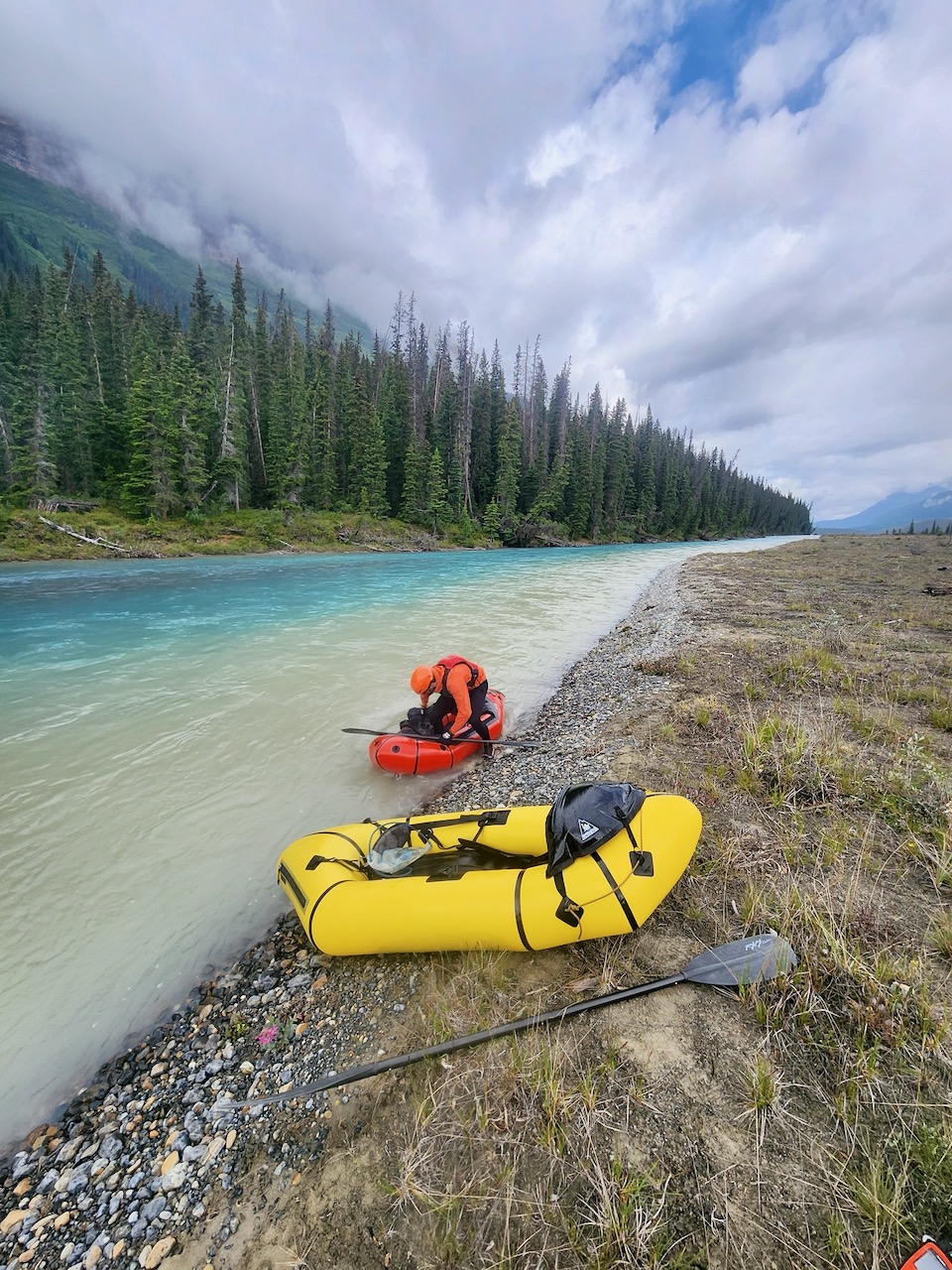
Parks Canada has said that the risk of an individual watercraft carrying AIS is low, but in national parks, the number of users amplifies the risk. However, although it has grown since the COVID-19 pandemic, the backcountry paddling community in Jasper National Park remains tiny, Jurik says.
“We don’t generate much money for the park,” he said. “This feels like we’re being targeted.”
Matthew Bruce is the president of the neophyte organization Packraft Canada. While Bruce said the new AIS strategy surprised many members of the whitewater community, he is hopeful that the conversation around AIS will, in the long run, spur joint action to contribute to a more pragmatic approach to protecting sensitive waters from AIS.
A more intensive permitting system, for example, would help gather data on how backcountry paddlers are using the mountain parks, he said.
“I understand the concern but [the new AIS strategy] seems like it’s a fear-based approach,” Bruce said.
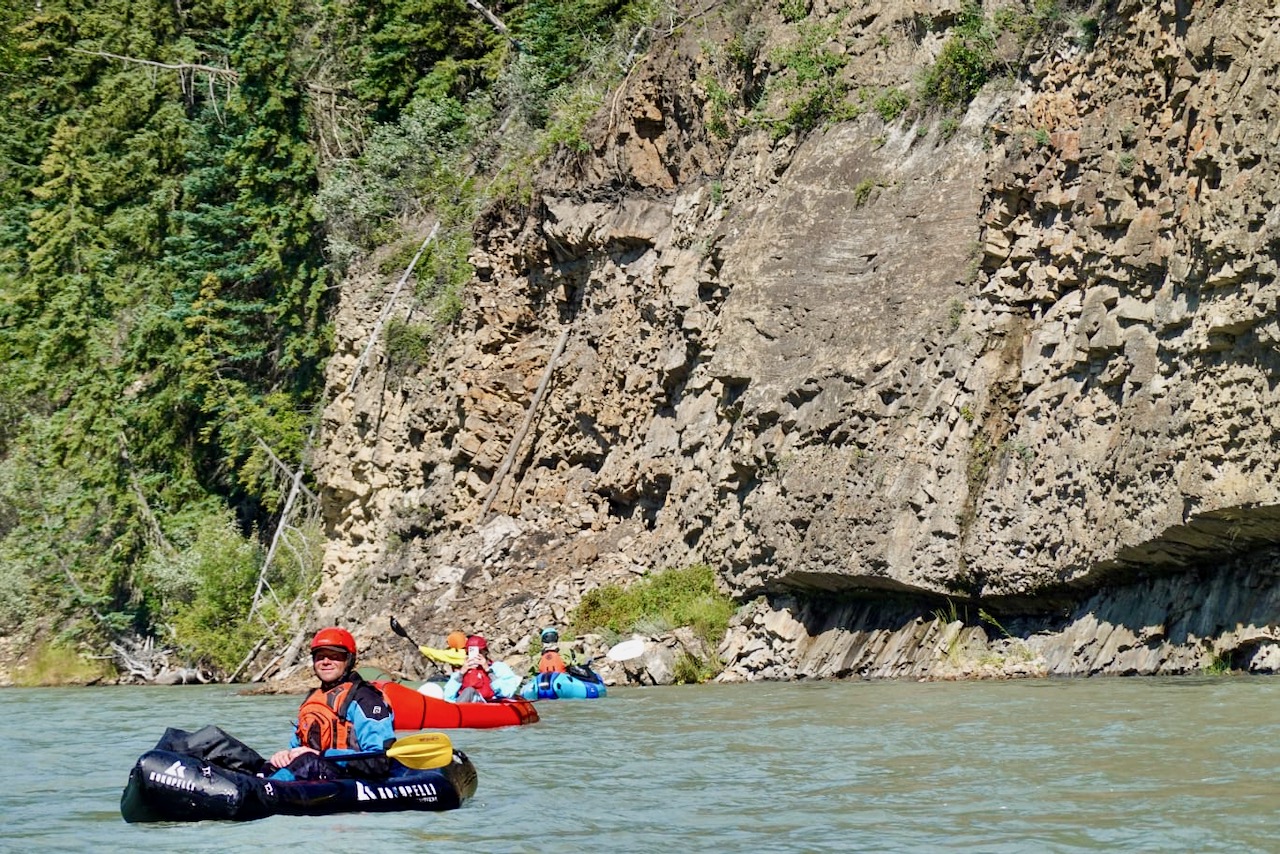
Currently, Packraft Canada is surveying 2,500 members of the paddling community to generate usage data in Canada’s mountain parks—numbers which Parks Canada will hopefully use to inform future policy, Bruce said.
“If nothing else, all of this conversation about AIS gives our organization an opportunity to be taken seriously and looked at as a sport that’s here to stay.”
Caron says Parks Canada’s strategy remains adaptive, and that communication will remain open.
“We want to hear the concerns, have discussions with these groups and make sure we really understand them,” Caron said.
In the meantime, packrafting adventures in much of the backcountry encompassing Canada’s mountain parks are on hold.
“Trial by fire is sometimes what it takes,” Bruce said. “Hopefully this helps more people care about AIS and come together to be part of the solution.”
Bob Covey // bob@thejasperlocal.com