

With its All Seasons Resort Act, the Alberta Government is skirting due process, ignoring public opinion and putting wildlife in the crosshairs, writes Mark Bradley—all to build a flagship resort in Kananaskis Country able to host 9,000 people per day.
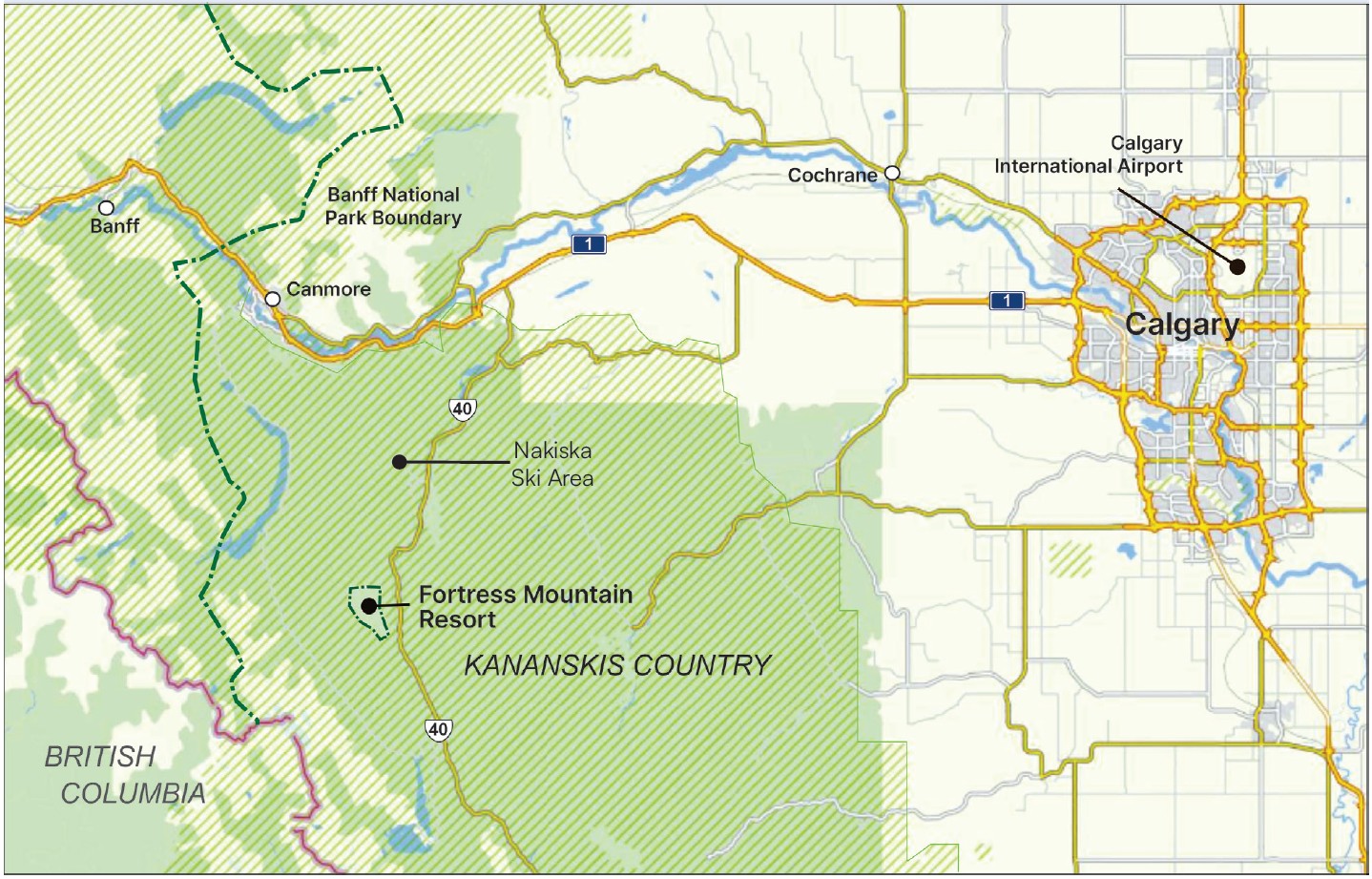
Late last year, the Government of Alberta designated the Fortress Mountain Resort in Kananaskis Country as one of three all-season developments under the GOA’s new ‘All Seasons Resort Act’.
The master plan at Fortress—a ski area that lives large in the hearts of many Albertans but which has a turbulent history, marked by multiple bankruptcies, ownership changes, and closures—is to augment the winter offer with summer hiking, biking, glamping, adventure activities, zip-lining and even mountain coasting, a roller coaster-like ride that operates on a steel track.
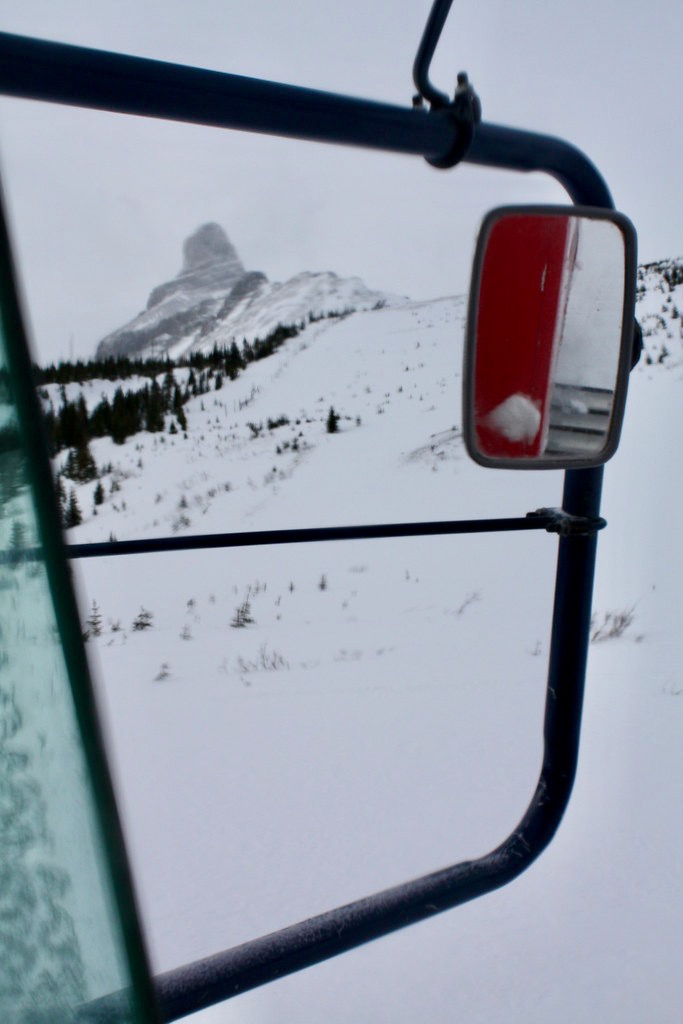
Also in the works are massive tourist lodgings, employee housing, retail outlets, restaurants and real estate opportunities. The goal, according to the master plan, is to host more than 9,000 visitors per day, year-round. Currently, the extent of the visitor offer is snowcat-assisted skiing in the winter.
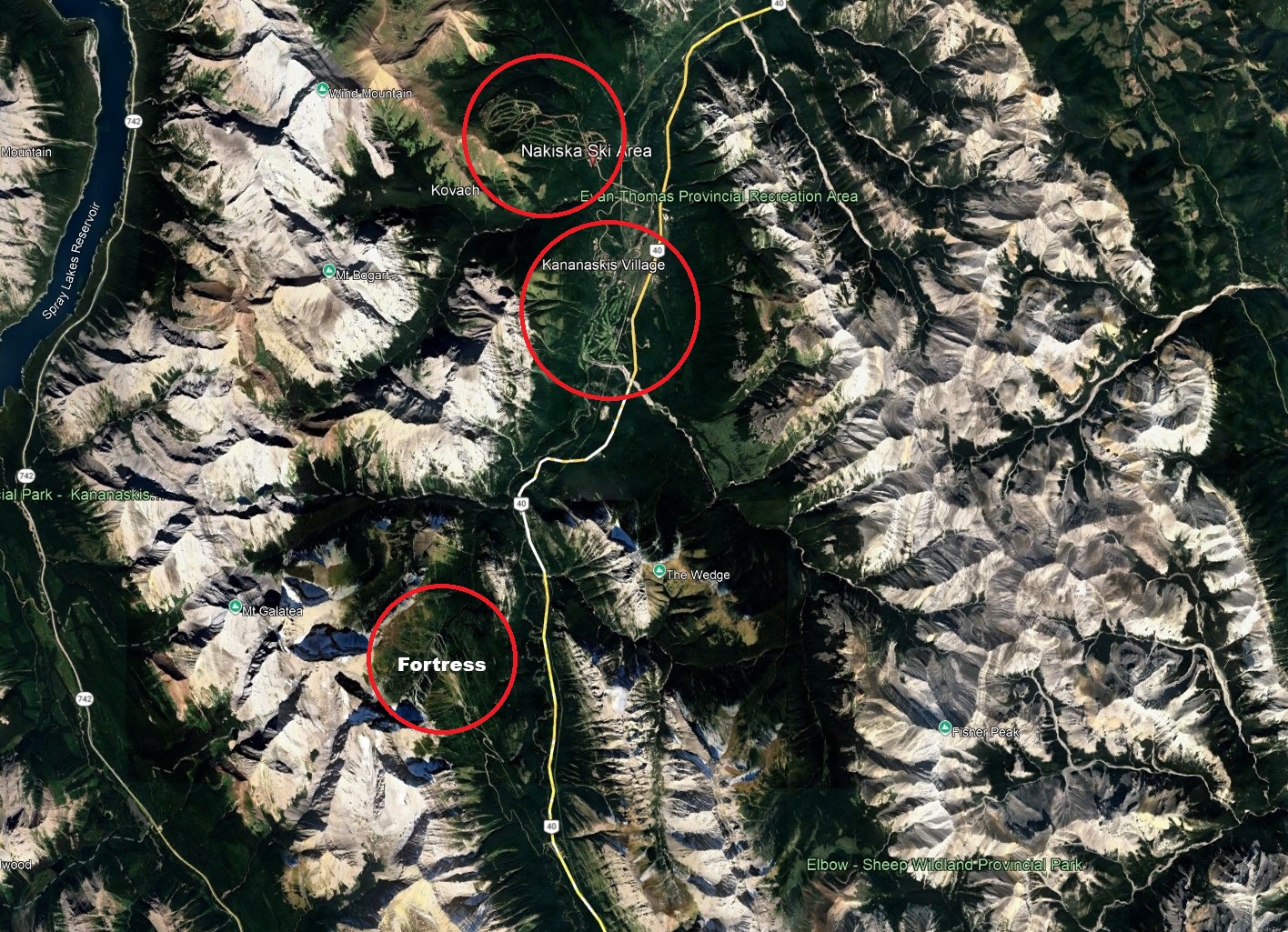
To accommodate all of these ambitions, developers (Kelowna-based Ridge North America and Calgary-based Western Securities Limited) plan to acquire 83 hectares of neighbouring Spray Valley Provincial Park. The five phase, 15-year proposal is to be the first step (along with expansions to Nakiska and Castle Mountain ski areas) towards fulfilling the Government of Alberta’s goal of increasing province-wide annual tourism GDP from $10 billion to $25 billion by 2035. Proposals still have to go through public engagement and a public consultation period, which began January 28, is open until February 27.
Sixth time’s a charm?
Commercial skiing first came to the area in 1967 with the opening of Snowridge Ski Resort. Snowridge stopped operating in 1971 and declared bankruptcy in 1973. The next year, a new company bought up half the lease and operated as Fortress Mountain. In 1978, Kananaskis Country was established, and Fortress Mountain was expanded in anticipation of the 1988 Winter Olympics, however, the Olympics ended up at the newly-built Nakiska Ski Area instead, 15 km away.
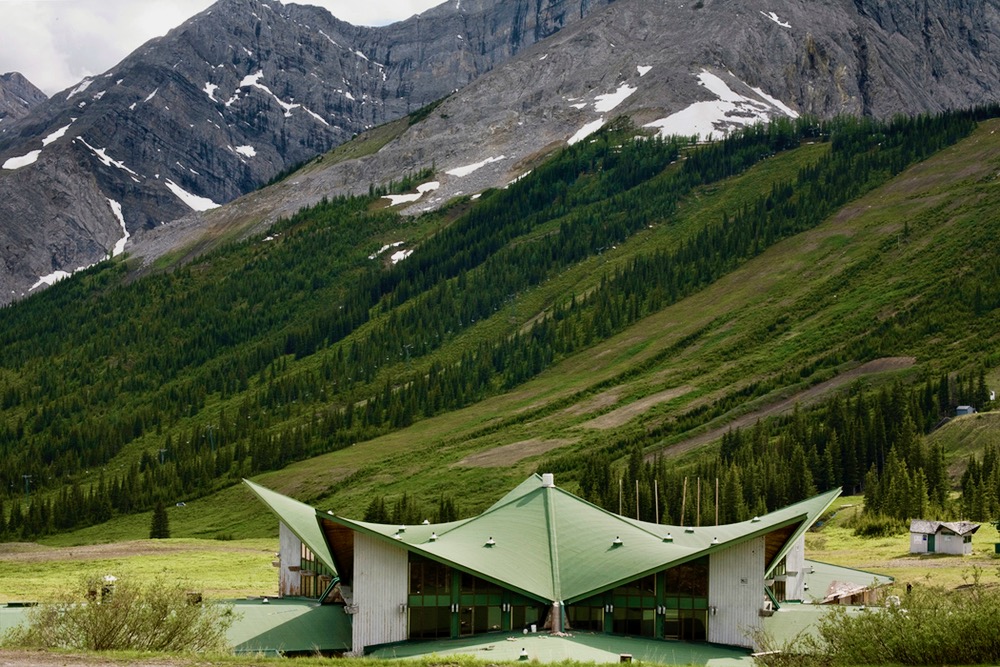
Resorts of the Canadian Rockies bought the Fortress Mountain area in 1986, but in 2001 they too filed for bankruptcy protection. Five years later, Banff Rail Company operated Fortress for four months before the area was closed for fire code violations, and the province closed it to the public the next year because of further mismanagement. That company was then convicted of credit fraud, but sold the company to a fifth owner (Fortress Mountain Holdings) in 2010. Since 2011, Fortress Mountain holdings has operated the area three to five days per week for cat skiing and hosting movie productions.
Ambitious Act
So why the enthusiasm to sink billions of dollars into an investment that has been a money pit of epic proportions? Quite simply, because the GOA’s newly-minted All Season Resorts Act promises to simultaneously shortcut environmental regulations while also allowing the Minister for Tourism and Sport to hand provincial parkland over to private companies (as 99 year leases).
Giving this power to a single politician, whose department has no land use mandate or experience in environmental management, is hugely problematic, according to MLA Sarah Elmeligi, the shadow minister for Environment and Protected Areas. Elmeligi says ministerial promises to adhere to provincial park boundaries, and to consult Indigenous communities, have been broken, and that despite a recent poll showing that the Alberta public strongly rejects the idea of shrinking provincial parks, the All Season Resorts Act was enacted with little in the way of public input.
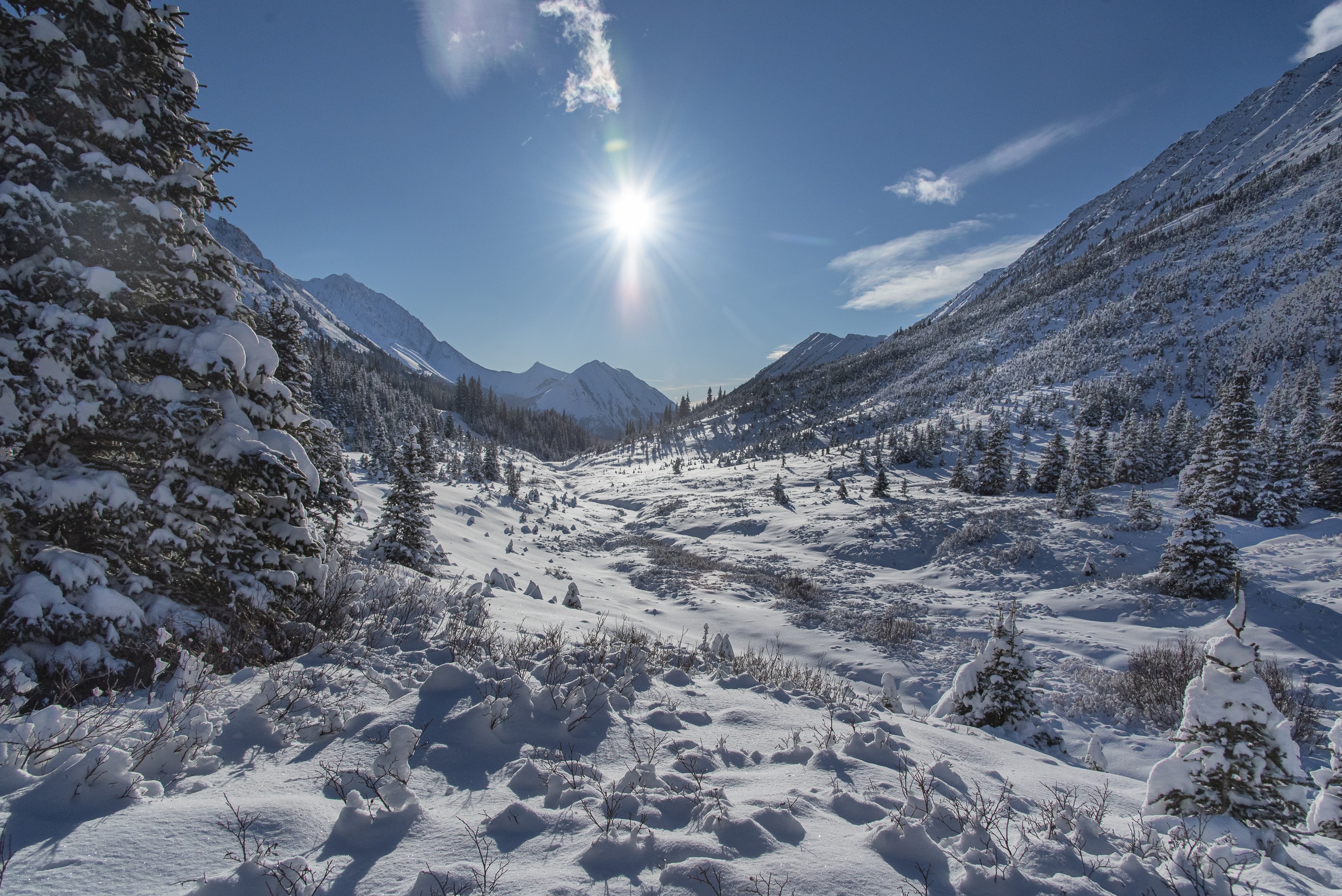
“The act allows park boundaries to be changed at the discretion of the minister, without public notification,” Elmeligi told the Rocky Mountain Outlook earlier this month. “That’s troubling, especially in a place as ecologically and culturally important as Kananaskis.”
The Bear Necessities
Putting financial failures, due process and public opinion aside, consider grizzly bears. Grizzlies are large animals that roam over large landscapes. K-country, like Jasper, is vast (more than 4,000 km-sq), but only a small portion of that area is grizzly habitat—the rest is rock and ice, and the linear nature of mountain ranges funnels these threatened species in certain directions.
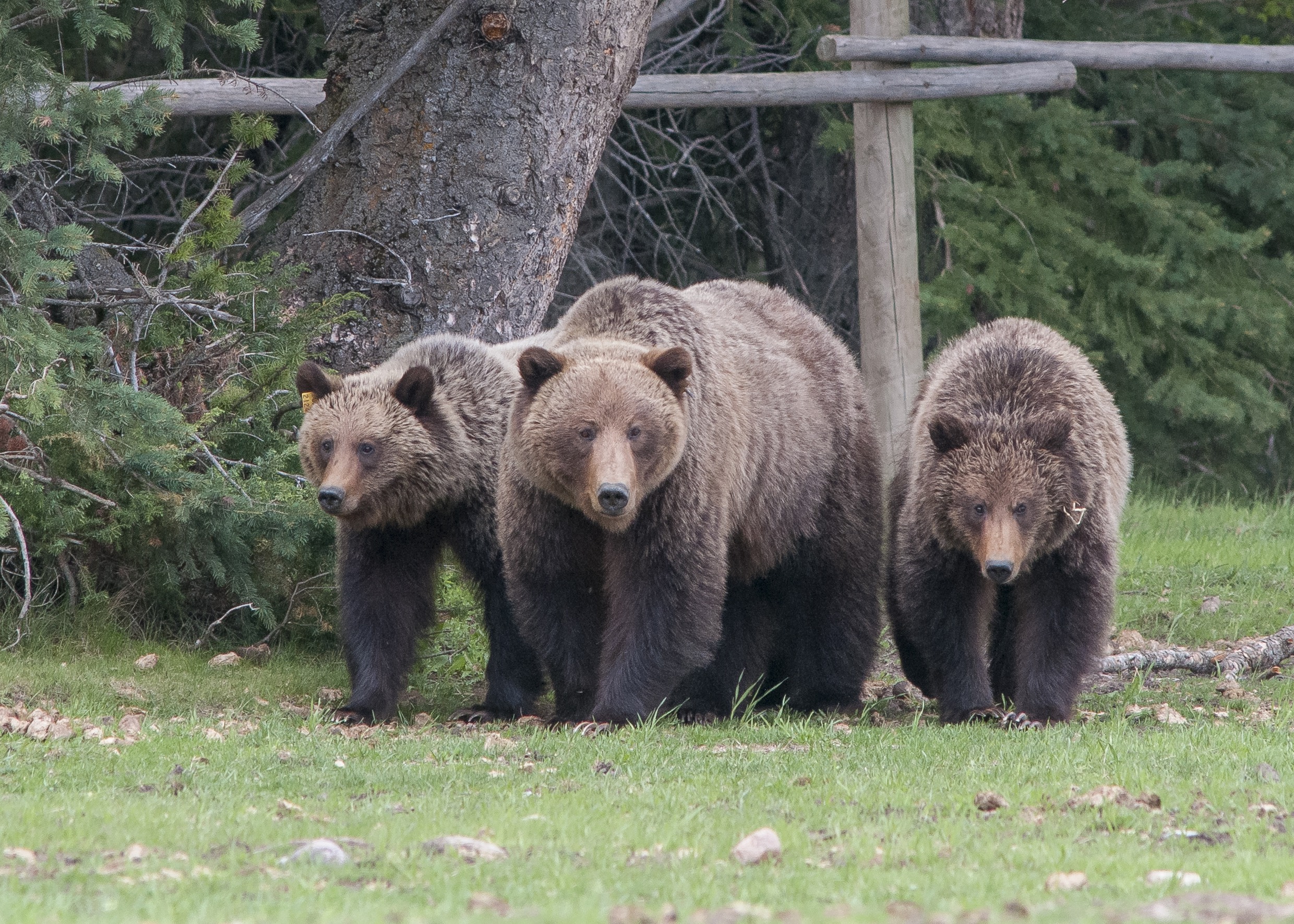
In the Fortress Mountain area, any bear that currently wants to move from south to north has to thread the needle between highways, golf courses and ski hills; the Fortress proposal would make this task much more difficult. Wary bears won’t want to go near what amounts to a small city, and crossing highways greatly increases their odds of coming to an untimely end.
Elmeligi, a wildlife biologist by trade, is concerned that the Fortress proposal dramatically increases year-round human use in prime grizzly bear habitat.
“The impacts to bear habitat use and movement are significant,” Elmeligi says.
Money talking
That’s putting it lightly. The newly proposed Fortress Mountain All Seasons resort will add an extraordinary amount of human disturbance to an important wildlife corridor, in a project area that has already produced three bankruptcies, and which will have to compete with Kananaskis’ existing ski hill, golf course, Nordic spa and village—not to mention established biking and hiking trails.
Perhaps the new business model will position Fortress to be the “flagship project for resort development in Alberta,” as a press release from the resort states. But if it does, it will do so at the expense of wildlife and in opposition to public opinion. The management of Kananaskis Country has a history of manufacturing consent for development at the expense of ecosystems, but the All Seasons Resort Act and the new proposal for Fortress Mountain resort are upping the ante by an order of magnitude.
Mark Bradley // info@thejasperlocal.com