

Residents of Yellowhead are urging their fellow Albertans to say no to coal mining in the Rockies.
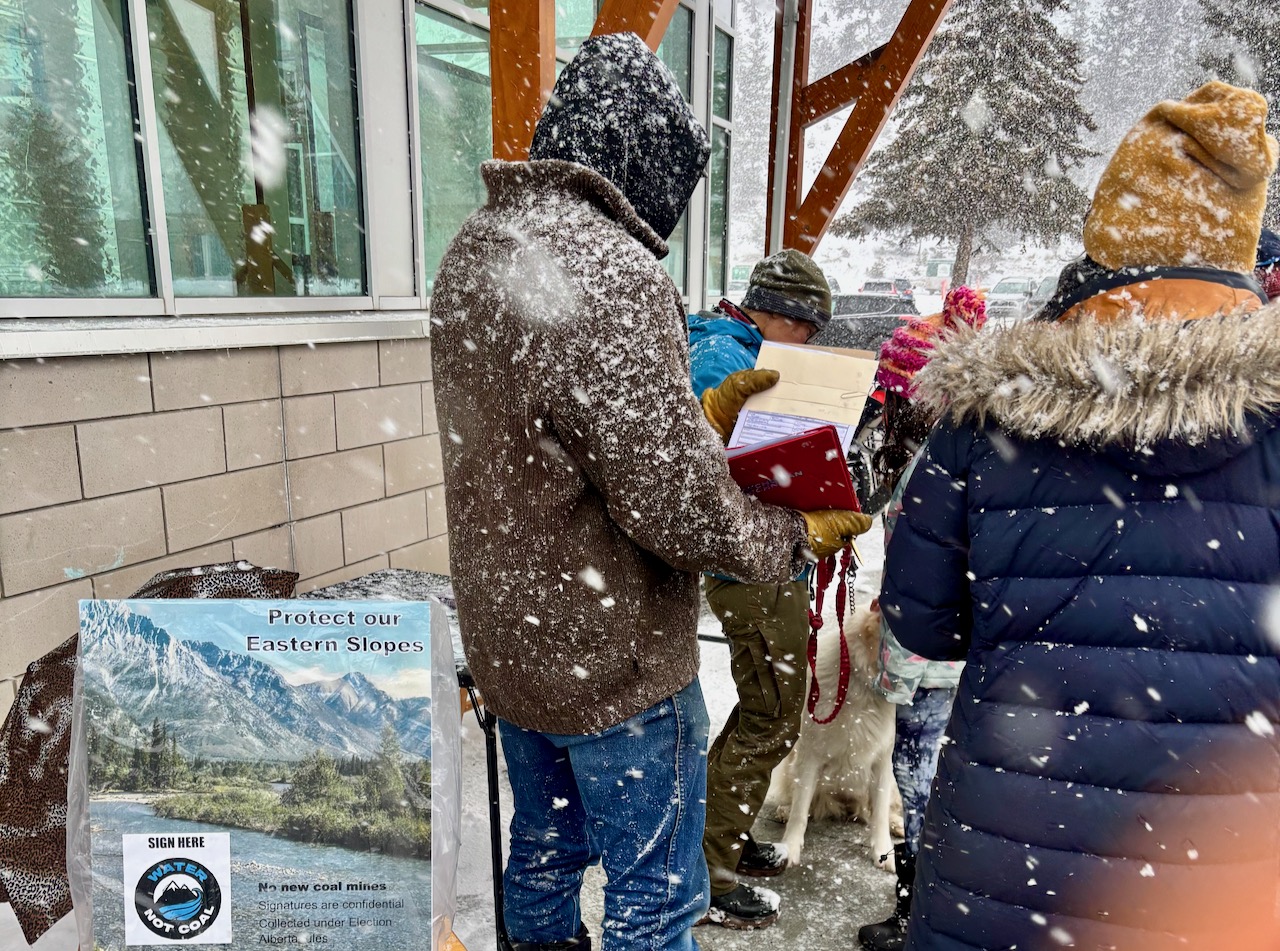
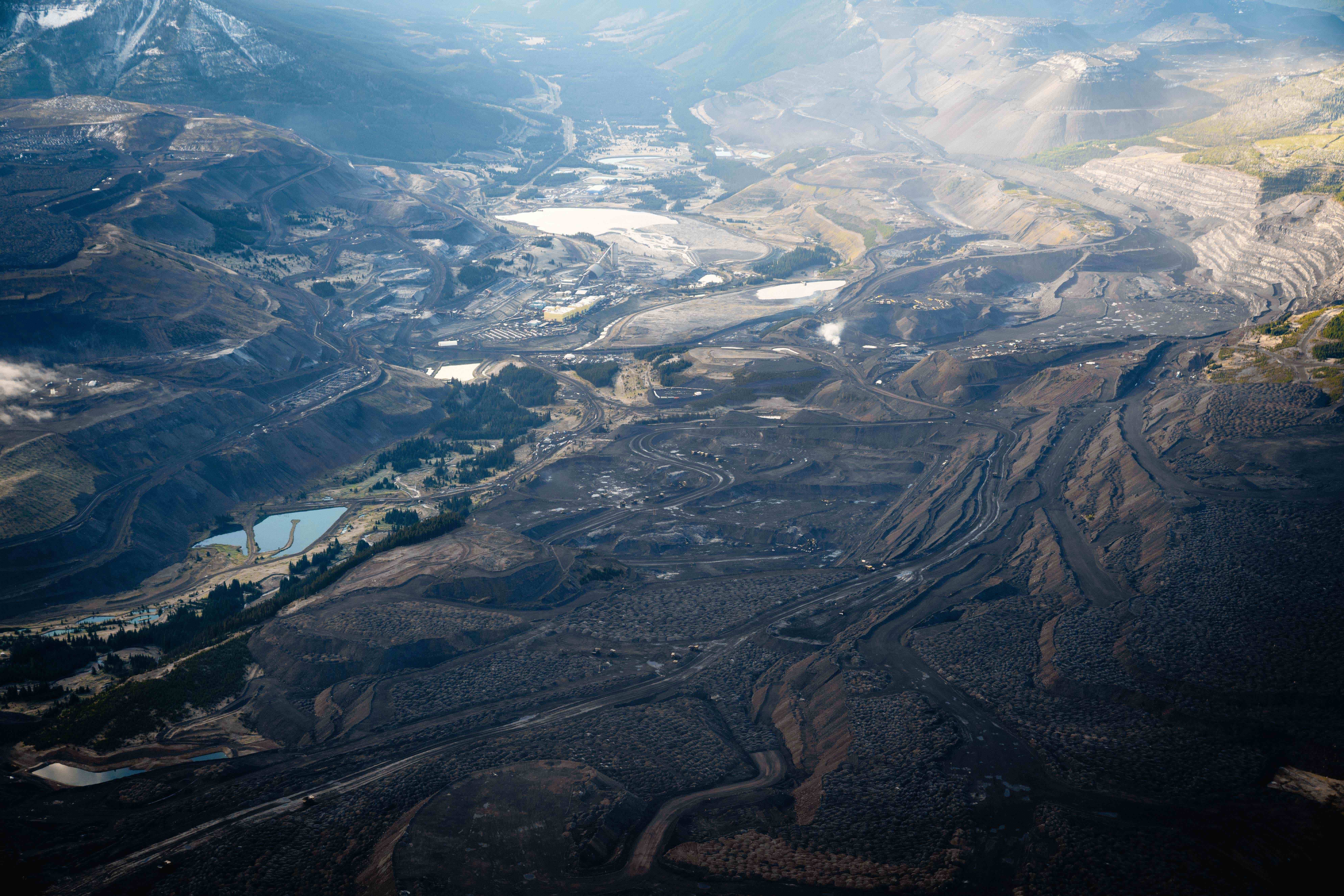
For weeks, canvassers with the Water Not Coal citizen initiative have been collecting signatures, petitioning their fellow Albertans to join their collective voice and demand the government prohibit new coal mine exploration and activities on the Rockies’ Eastern Slopes. Petitioners are adamant that coal mining in the Rockies threatens Albertans’ water, and recent studies on metallurgical coal mining impacts in the Canadian Rockies, listed on the Alberta government’s own website, back up those assertions.
“Selenium concentrations remain elevated and above guidelines for the protection of aquatic life decades after mine closure and reclamation despite regulatory requirements for the opposite,” one study’s abstract reads.
A broad tent
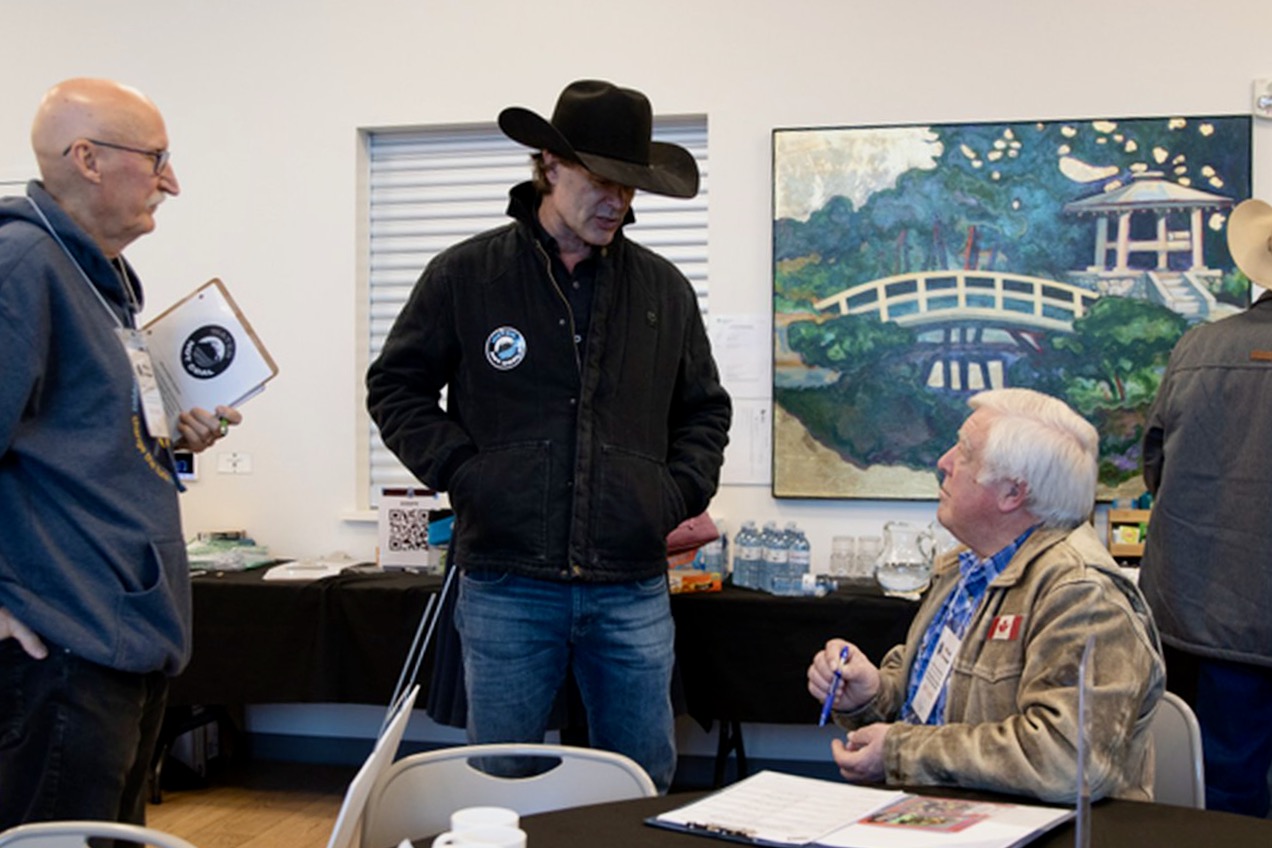
Blaine Cauglin is a resident of Hinton who grew up on a cattle ranch near Valleyview. Cauglin was canvassing in Jasper on March 29, appealing to Albertans to sign the citizen initiative petition to stop coal mining in the Rockies, a petition started by country musician and self-described proud Albertan, Corb Lund.
“When we’re talking about water, we all have a stake in it,” Cauglin said in an interview.
A life-long outdoorsman, Cauglin currently works in the environmental sector of the energy industry, but he’s also worked in oil and gas, agriculture and forestry. When not studying to be a biologist, he loves to hunt, fish, camp and hike.
“I wear quite a few hats,” he laughed.
Downstream effects
The most famous headpiece in Alberta’s anti-coal movement is the cowboy hat worn by Lund. The well-known artist has said he started the petition because coal mines “destroy the landscape and release toxic chemicals into the air and water, which threatens fish, birds, wildlife, livestock and the water we drink.”
Although coal industry lobbyists promise mines can be reclaimed, and downplay the harmful effects of a broad suite of solutes and heavy metals, even after reclamation “water quality remains negatively impacted, with higher concentrations of ions, nutrients, and metals downstream of coal mines,” according to a study on three McLeod River mines.
Former Alberta Premier Peter Lougheed’s Progressive Conservatives apparently knew this. In 1976 they established a moratorium on surface coal mining in the Rocky Mountains and foothills. It was in place for 44 years.
Flip flopping
Then, during the fog of the COVID-19 pandemic, in 2020 the United Conservative Party rescinded the ban on coal mining. Cauglin said when the Grassy Mountain Coal Project was first proposed in 2021 following that controversial move by former Premier Jason Kenney, he was one of the 80 percent of Albertans who rejected it. In response to public backlash, the government did an about-face, reinstating the coal moratorium in March 2022.
“I was happy when [Grassy Mountain] got canceled,” Cauglin recalled.
But then in 2025, claiming Alberta would face financially crippling lawsuits from misled, litigious coal companies, Premier Danielle Smith opened the Rockies back up to mining. There would be exceptions made for “advanced coal projects.” Suspensions on coal project approvals were lifted. New leases were issued. When Grassy Mountain was all of a sudden back on the table, under the creation of the Coal Industry Modernization Initiative (CIMI), Cauglin said his stomach sunk.
“The provincial government didn’t seem interested in hearing citizens’ concerns,” he said.
Now, he and other Yellowhead canvassers are counting on their Water Not Coal petition—amplified by Lund’s activism and leadership—to ensure Albertans’ voices are heard.
“As pro-resources as we are, we’ve seen that 70 to 80 percent of us agree to not have coal mining expansion,” Cauglin said. “We don’t even see that [consensus] on pipelines being built.”
Deadline day
To have the petition validated by Elections Alberta, the Water Not Coal campaign requires nearly 178,000 signatures (10 percent of Alberta’s most recent voter turnout) by June 10. Ratification will trigger a referendum on whether Albertans support the following statement:
“The Government of Alberta shall prohibit through legislation all coal exploration and mining activities within the Eastern Slopes of Alberta’s Rocky Mountains, other than mines that are in actual production as of January 1, 2026.”
Rural signature snafus
There are some hiccups to collecting signatures in a rural setting. The legislation requires signees provide proof of a physical address, but many rural Albertans’ identification documents list only a post office box number. Those registered to vote at their current address can show an ID with only a PO box, but otherwise, Albertans wishing to sign will have to show canvassers a utility bill or lease or another piece of official mail displaying a street address (Yellowhead canvassers have said Elections Alberta can provide attestation forms for wildfire-affected residents without proof of address).
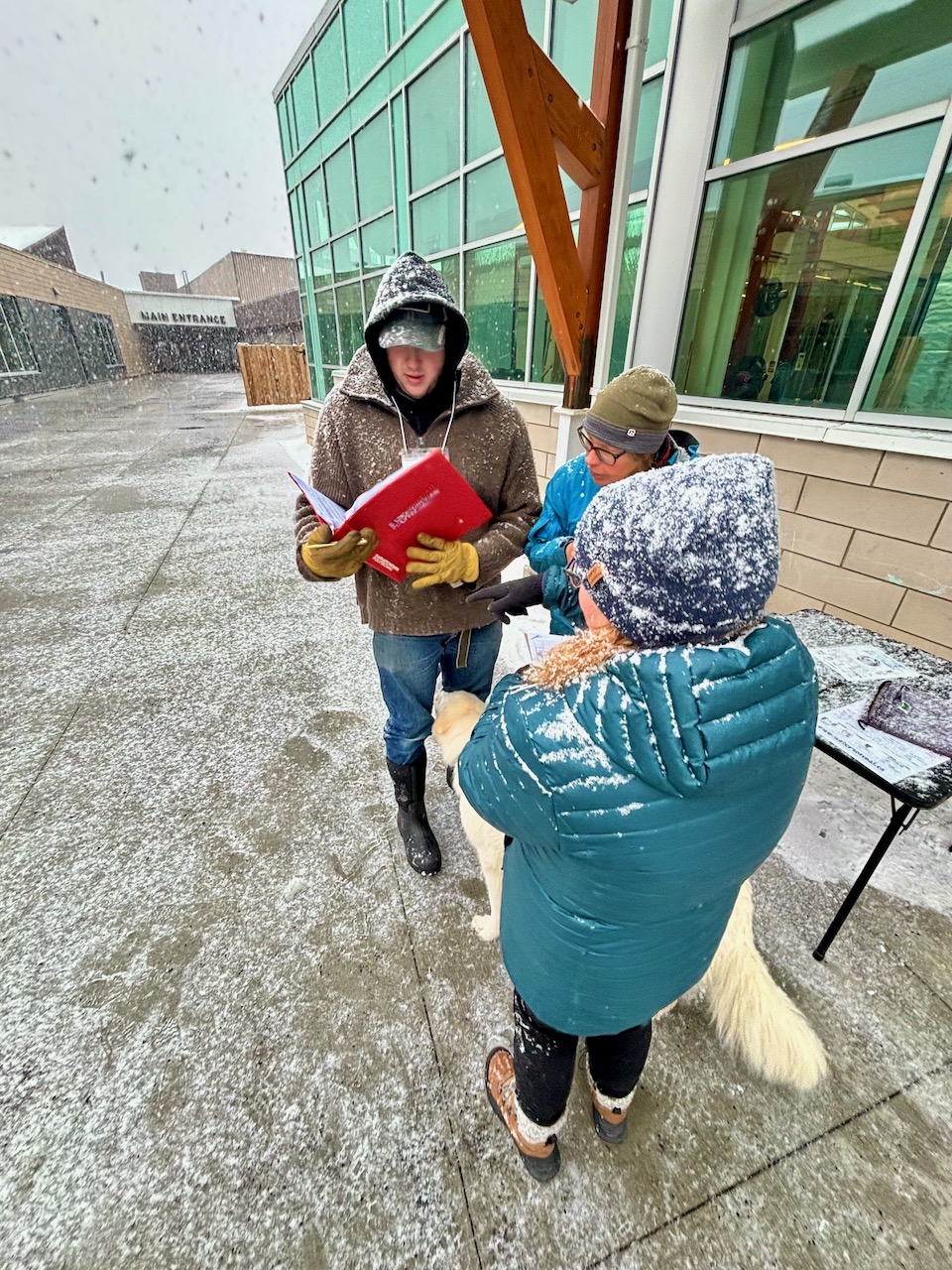
In Jasper, a signing station will be set up at the corner of Miette Avenue and Connaught Drive on Saturday, April 11, from 11:45 a.m.-5:45 p.m. In Hinton, canvassers will be at the Hinton Farmers’ Market every Thursday this month from 11 a.m. – 2 p.m. More signing locations can be found on Water Not Coal’s interactive map.
Use it or lose it
Cauglin says the interactions he’s had with his fellow Yellowhead residents at the signing stations he’s manned have been overwhelmingly positive, but he understands—although he doesn’t agree—that some people are going to argue the economic impacts of coal outweigh the environmental hazards.
“I think if people come from the point of view they’re going to lose jobs, there might be some reluctance [to sign],” he said.
But, he says, economies change. Our understanding of environmental impacts evolves. And when it comes to democracy, Cauglin says we need to use it or lose it.
“We need to create a culture where the provincial government is more scared of the sway that Albertans have,” he said.
Bob Covey // bob@thejasperlocal.com