

Hans Schwarz’s life was shaped by mountains, but it was never a straight ascent.
Schwarz passed away on April 11. At his funeral on Tuesday, April 28, a small gathering of friends, family and fellow climbers pieced together a story that stretched from the Alps to the peaks above Jasper National Park—a life defined as much by grit and humour as by extraordinary achievement.
Born in Switzerland on September 8, 1930, Hans developed his love of climbing early, moving through alpine terrain with a natural confidence that would later define his career. When he arrived in Canada in the late 1950s, however, the mountains did not immediately offer a livelihood. Instead, he found himself in the swamps of northern Ontario, cutting trees in brutal winter conditions. “What am I doing here?” he recalled thinking, according to his son, David. It was a fellow worker who pointed Hans west—to Hinton, Alberta, and the mountains beyond.
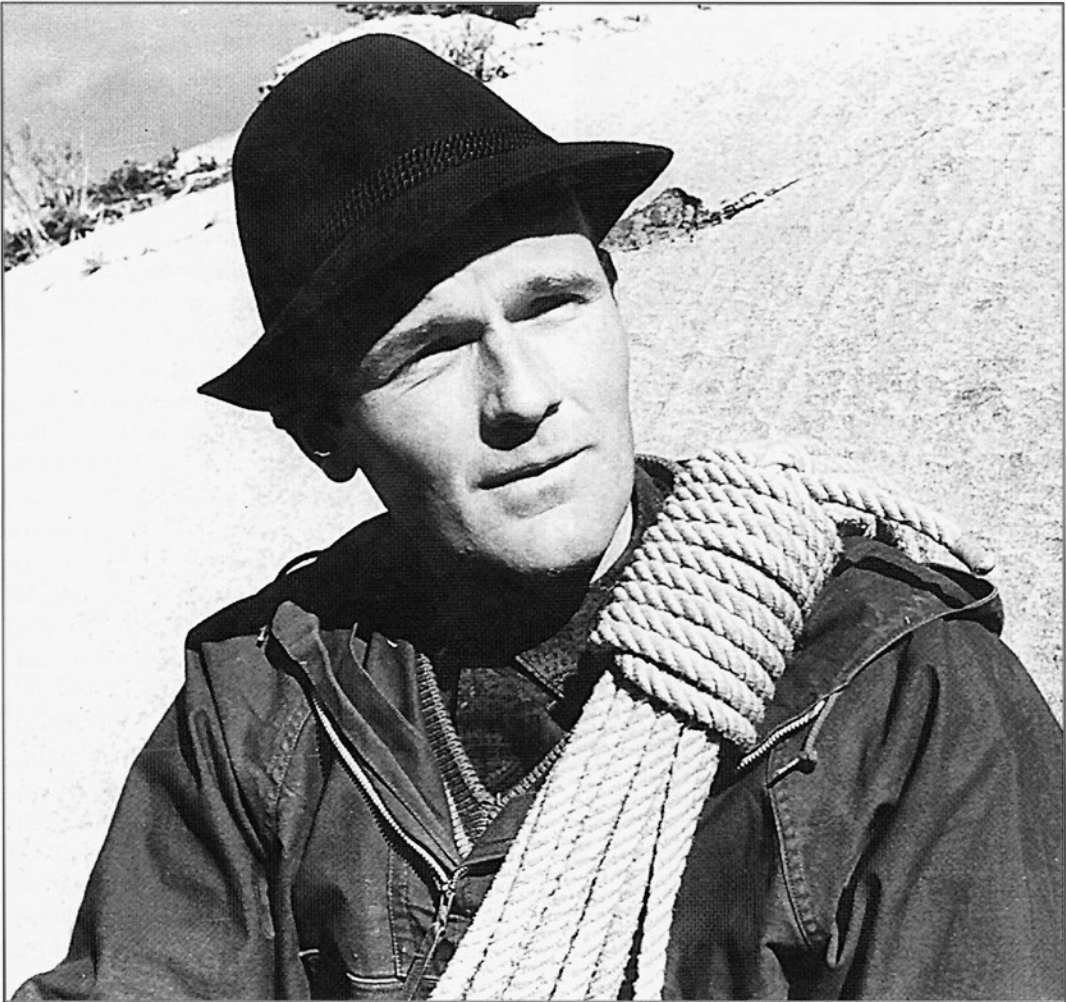
From there, Hans’s path began to align with his passion. After a brief stint cutting timber near Hinton, he moved to Jasper National Park, working with the warden service. In those early years, he helped cut routes that would become vital corridors, including stretches of the Icefields Parkway. It was rugged, foundational work—building not just infrastructure, but a life in the Rockies.
Alongside fellow climbers like Tony Messner and under the mentorship of Walter Perren, the last CP Rail Swiss mountain guide in Canada, Hans refined his craft. Perren recognized in him both raw talent and discipline, helping shape him into a consummate mountain professional. From there, Hans became part of the early movement that would define Canadian guiding, helping to establish what would become a national standard for mountaineering excellence. He was a founding member of the Association of Canadian Mountain Guides, alongside such giants of mountain culture as Peter Fuhrmann, Hans Gmoser and Jasper’s Willi Pfisterer.
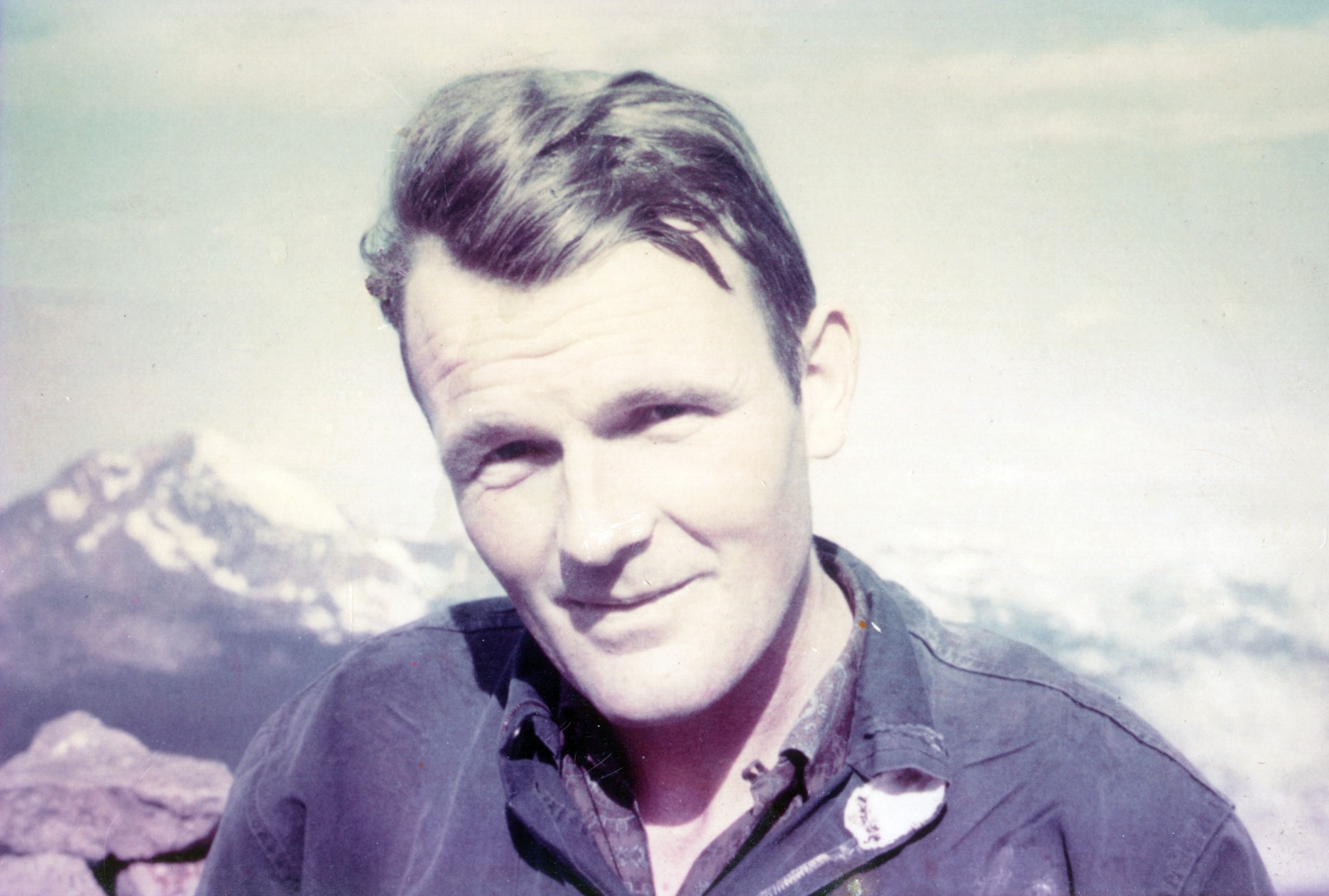
Schwarz’s achievements in the mountains were formidable. He climbed extensively across the Rockies, building a reputation tied closely to peaks like Mount Edith Cavell, Mount Athabasca and Mount Colin. And he was a key team member of Gmoser’s 1962 expedition to climb the massive Wickersham Wall on the tallest peak in North America, Mount McKinley. It was the first ascent but only Schwarz, Gmoser and Gunti Prinz made the summit.
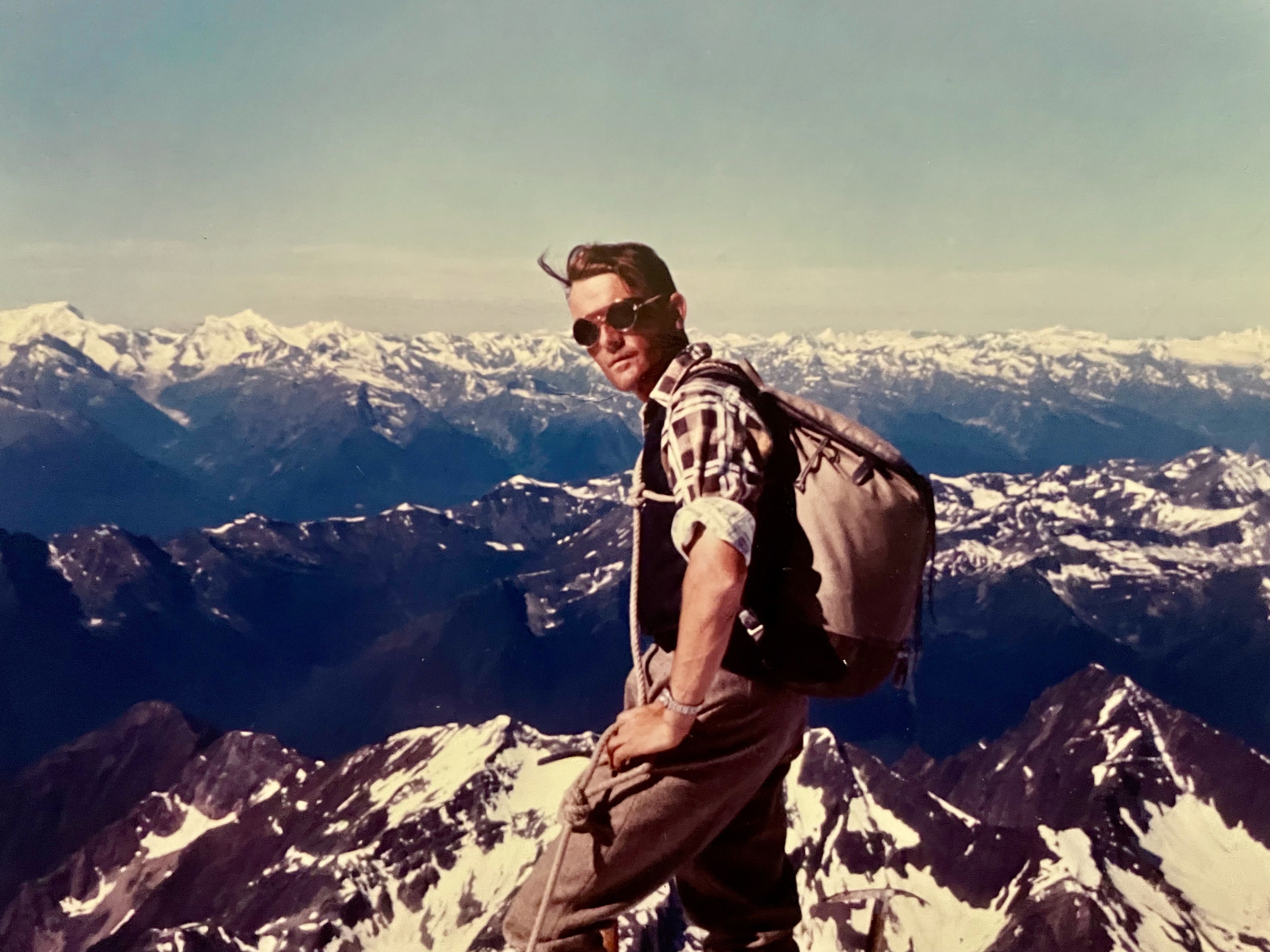
Yet it was Mount Robson where earned Schwarz his enduring moniker—the “King of the Spiral Road.” With a dozen ascents and an intimate understanding of the mountain’s shifting moods, Hans became a trusted authority. Generations of climbers sought his advice before attempting the peak, and features like the Schwarz Ledges stand as permanent markers of his legacy.
There were moments of high drama too—being struck by lightning on Mount Colin, or surviving multiple encounters with grizzly bears—but these stories were never told for effect. They were simply part of a life lived fully in wild places.
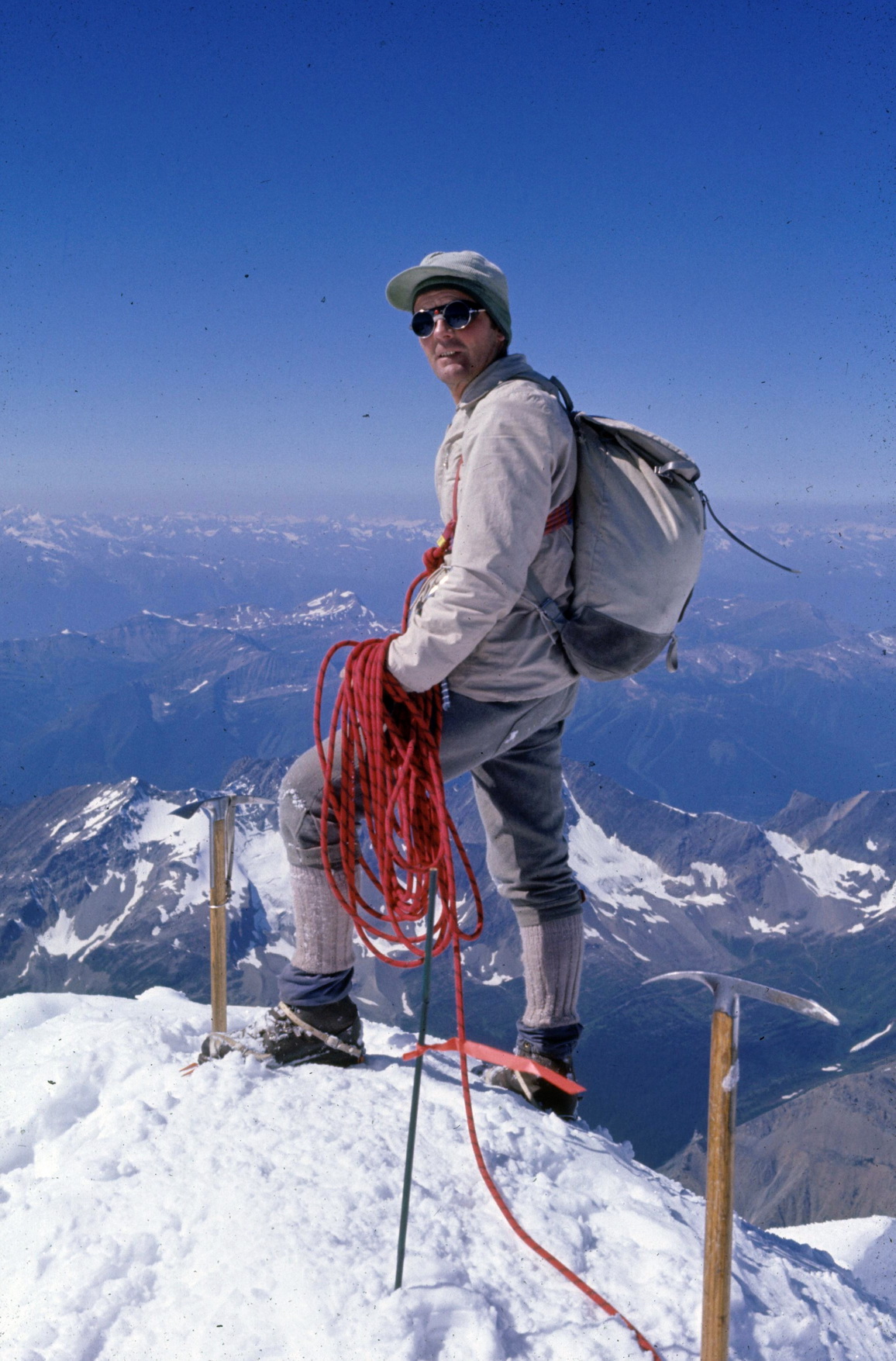
Hans eventually stepped away from the warden service to found the Jasper Climbing School and Guide Service, training climbers from around the world. His teaching style was direct and unforgettable. One speaker recalled being pushed—literally—into learning, as Hans demonstrated rope techniques by sending a hesitant teenager down a steep slope, only to catch him with perfect control. It was instruction rooted in respect: for the mountains, and for the risks they held.
His influence extended beyond summer guiding. As head of ski patrol at Marmot Basin, he helped shape winter safety culture before eventually pioneering ice climbing and avalanche training courses. Even later, when he scaled back, he found ways to stay connected—leading rappel experiences and guiding guests from Fairmont Jasper Park Lodge through the landscape he loved.
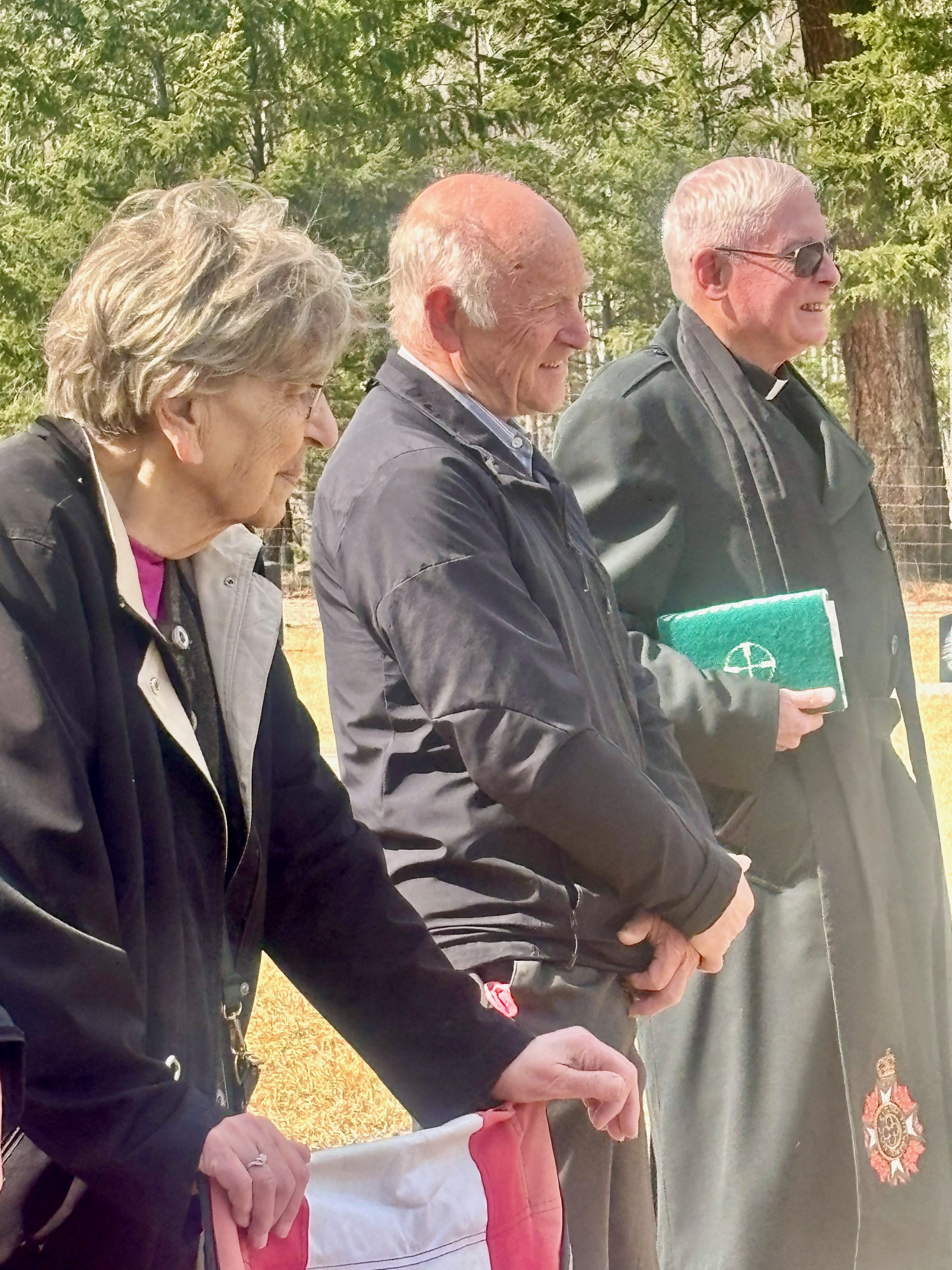
At the centre of his life was his wife, Helen, a Rome, New York native who came west to study at the Banff Centre, she later worked at the Harry Rowed-Ray O’Neil photography studio in Jasper, where she met Hans. Their meeting—sparked by photographs he brought in—grew into a partnership that anchored his adventurous life. Together, they built a home and a family, deeply rooted in Jasper’s evolving community.
Hans’s legacy lives on through those he taught, including guides like Jasper’s Matt Reynolds, and through the countless climbers who carry forward his lessons. In his later years, as macular degeneration stole his sight, Schwarz refused to give up the outdoors. With the help of his son David, he continued exploring local trails—guided now by memory, instinct and trust.
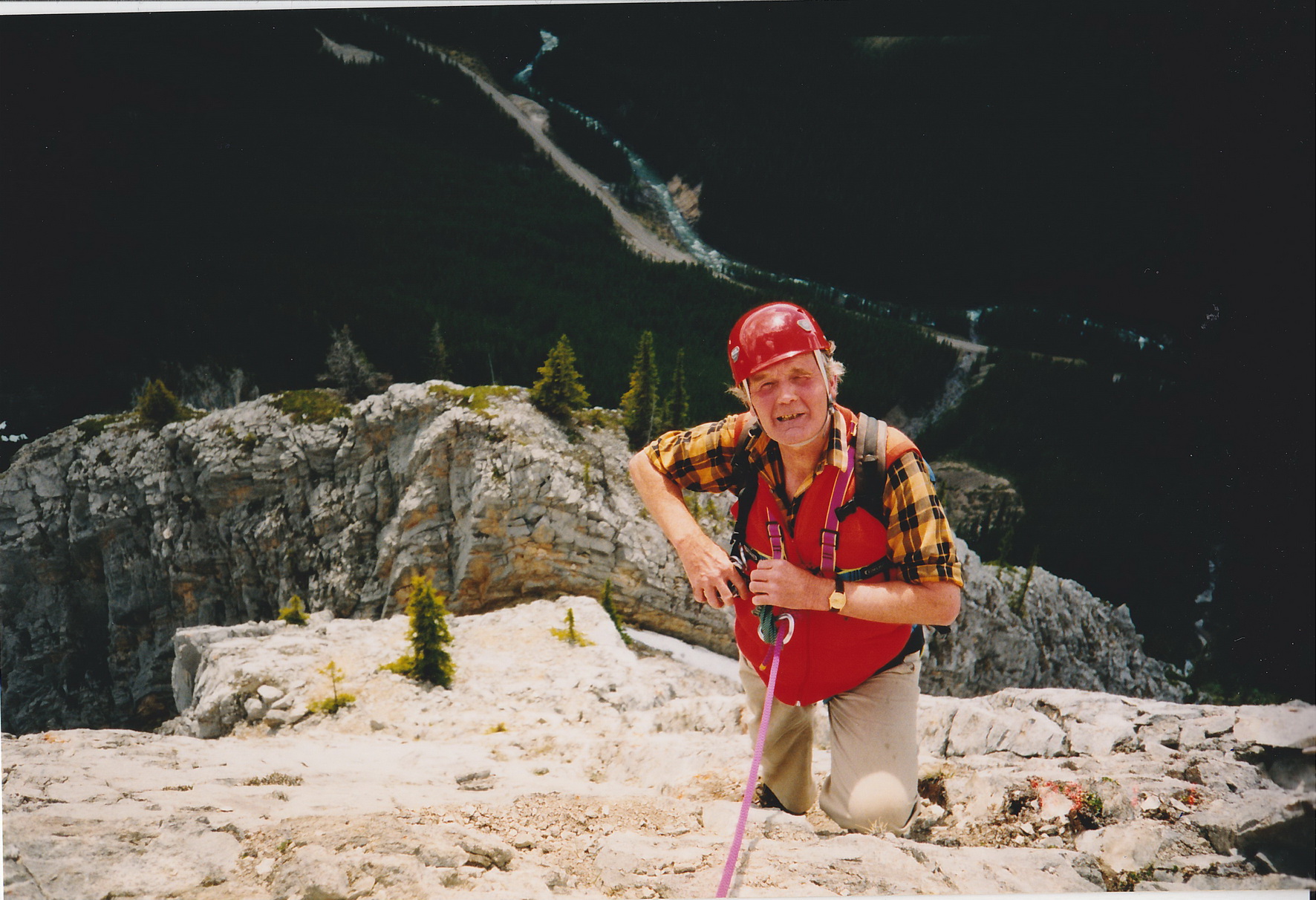
In the end, Hans Schwarz did everything he set out to do. He climbed, he taught, he built a life in the mountains—and he never looked back.
Bob Covey // bob@thejasperlocal.com