

Seven caribou calves born in first year of breeding program
The Caribou Conservation Breeding Centre has begun achieving tangible results with the birth of seven healthy calves in its first year of operation.
Jean-Francois Bisaillon, program manager of the Jasper Caribou Recovery Program for Jasper National Park, said this yield was in line with their predictions.
“We’re making tremendous progress towards recovering caribou in Jasper,” Bisaillon said. “It’s going to take several more years, but I think, so far, we’ve been very successful.”
Over the course of two days in March, Parks Canada relocated 10 caribou, including seven females, to the breeding centre located 35 kilometres south of the town.
Another important milestone was the birth of the first calf on May 29, which was soon followed by the six other births. There were three males and four females weighing between seven and 10 kilograms. The calves gained an average of 62 kilos in just four months.
Over the summer, the calves slowly weened themselves from nursing and started to eat pellets and lichen. Aseniwuche Winewak Nation, Kelly Lake Cree Nation, and Mountain Cree have provided over 500 bags of dried lichen for the caribou to eat throughout the year. Indigenous partners have also held ceremonies to protect and honour caribou.
Bisaillon reported that the calves were fully weened a few weeks ago and are expected to reach maturity next year. The females will weigh between 95 and 110 kilograms, while the males can be more than 200 kgs (440 lbs).
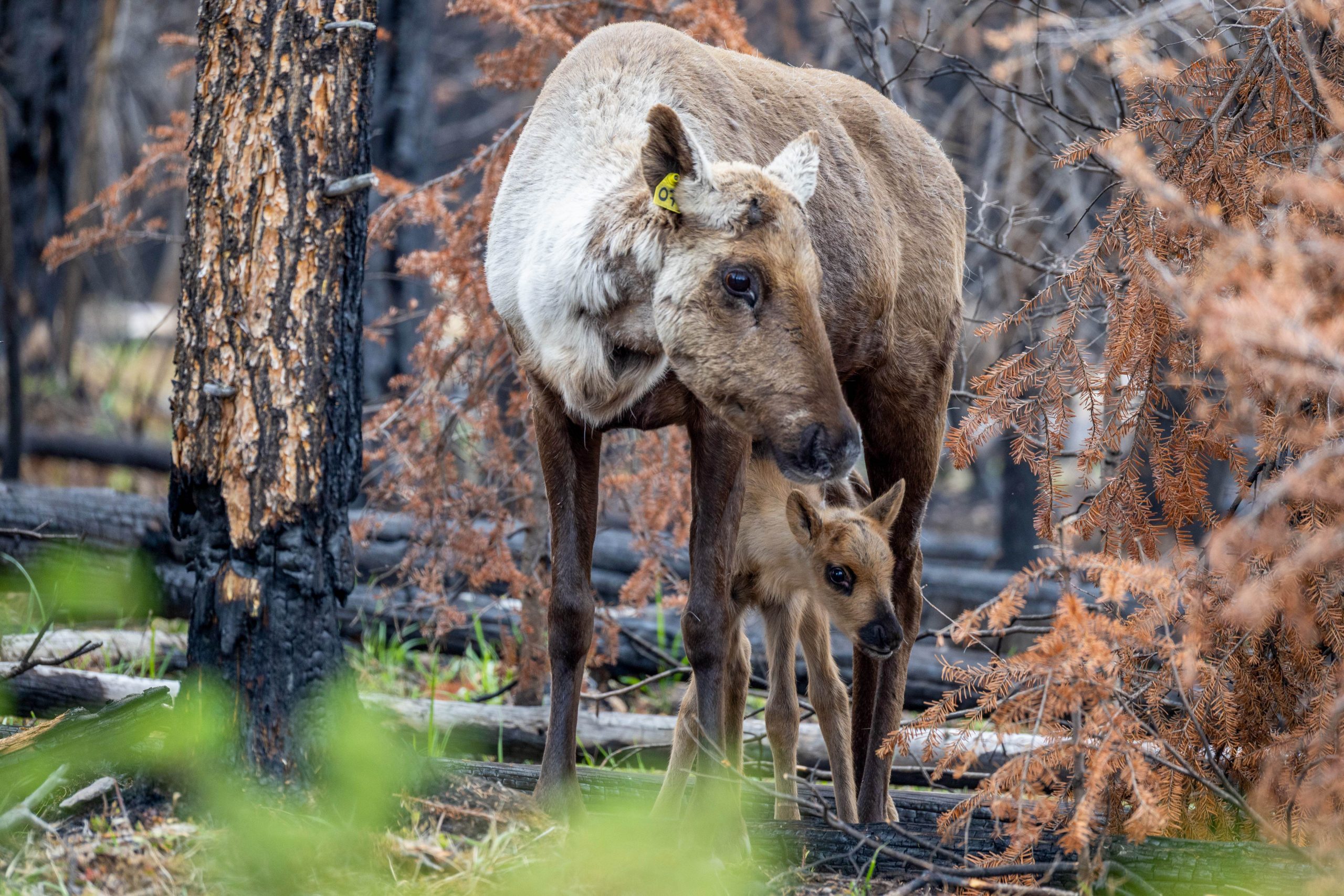
Parks Canada has also completed its first breeding season and has bred six of the seven females with three males. It anticipates another six calves will be born next spring. The long-term objective is to recover Jasper’s herds, which would total around 300 to 400 animals.
“It’s going to take several years before we get there,” Bisaillon said. “As a first step, we’re aiming to reach 200 animals in the Tonquin Valley over the next 10 years.”
Once the breeding centre has between 30 and 40 breeding females, Parks Canada will begin to release females back into the wild. It plans to release its first yearling males in June (the reproductive females will come from both wild herds and calves born in the Conservation Breeding Centre).
The program may start releasing some female yearlings into the Tonquin Valley within a year or two, Parks Canada said.
In 2024, Parks Canada counted at least 29 caribou in the Tonquin Valley during the annual survey, but scat DNA samples and other data indicated there were roughly 47 caribou, including 12 reproductive females, on the landscape. The Brazeau herd only had two males and one female, which were all captured, while the Maligne herd has been considered extirpated since 2018.
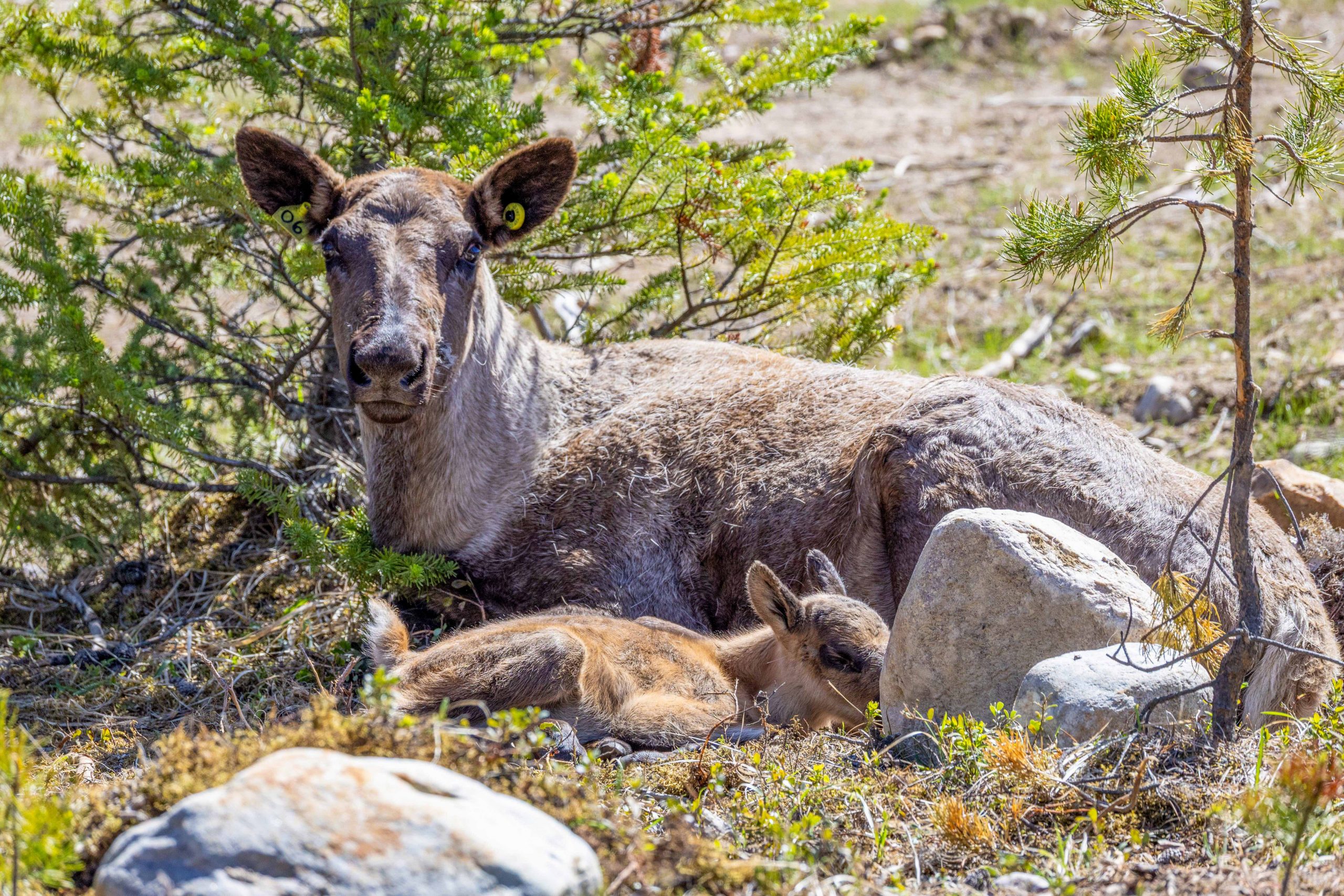
The Tonquin Valley will be closed to recreationalists from Nov. 1 until May 16. The closure prevents predators from using human-made trails to more easily access caribou in remote areas.
“It’s been a very important, successful measure that really helps stabilize and perhaps even help the Tonquin increase over time,” Bisaillon said.
The closure also applies to the Brazeau caribou range. If no signs of any remaining caribou are found, Parks Canada will reassess the Brazeau closure.
Peter Shokeir // info@thejasperlocal.com