

Naked Olympians. Do we have your attention yet?
The tradition of the Ancient Olympics, begun in 776 BCE, and maintained for a 1,000-year run, was that athletes competed in the nude.
It goes without saying that this would have had a chilling effect on competitors in the Ancient Winter Olympics (had those games existed). Regardless, when the Olympic undress code was dropped about 1,500 years later, everything changed. In 1924, in Chamonix, France, fully-clothed athletes competed in the first Winter Olympics of the modern era and the rest, as they say, is history.
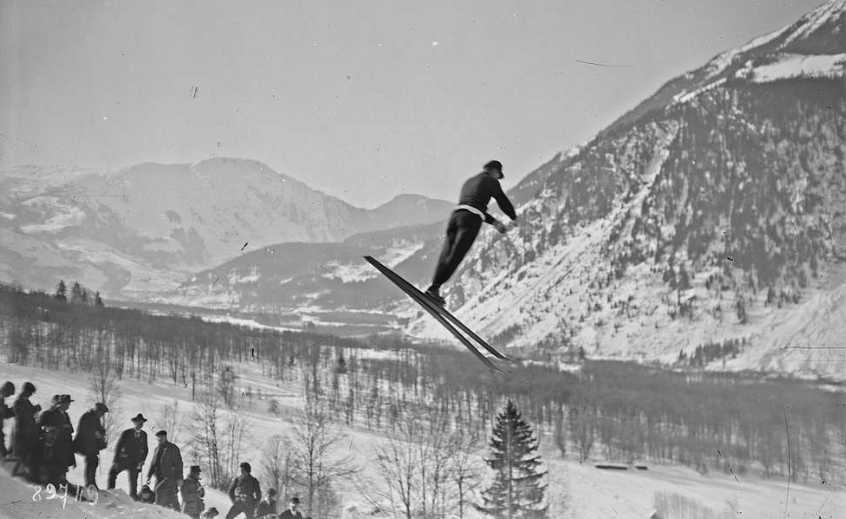
Olympic tradition interacts with Jasper in ways that continue to lay bare our mountain town’s sporting history. As the 25th version of the modern winter games approaches, this year in Milano and Cortina, Italy, Jasper’s past and future Olympic connections come into focus.
Podium potential
Jasper’s relationship with the Olympics has exposed itself in many ways: we’ve sent our daughters to compete, had an Olympic competitor adopt Jasper as his home, witnessed parents of athletes inspire their kids to Olympic glory, dispatched winter facility experts to operate official venues, and had Jasperites carry the Olympic torch in the flame relay that ignites the games. Jasper has all but hosted an event.
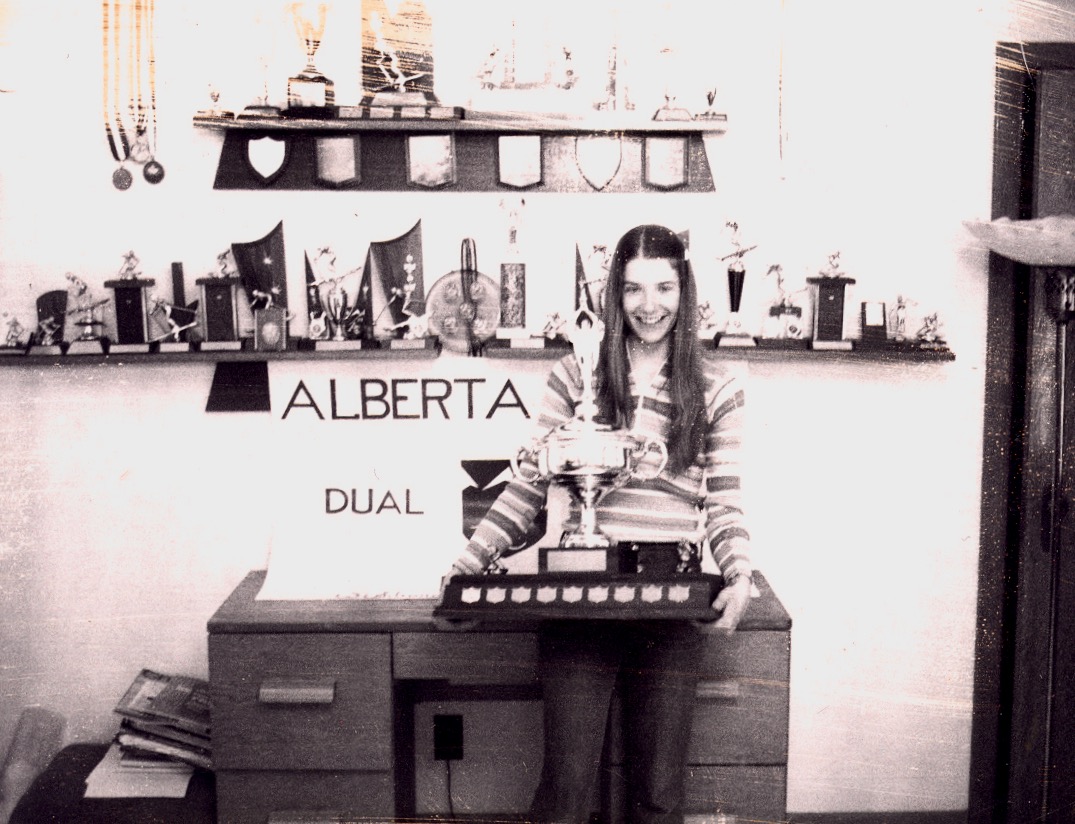
Loni Klettl is perhaps Jasper’s most renowned Olympian. A lifetime Jasperite, for five years between 1975 to 1980 she spent most of her winters away from her mountain home, touring the world as part of the national downhill ski team. As a reward for years of hard work, and a stellar 1979–80 World Cup season, Loni qualified for the Lake Placid, U.S.A., Olympics. She was 20 years old and on the world stage.
Loni’s event was the downhill—high speed French fries. With a couple of training runs on the Lake Placid course, she had mapped out the line she needed to take. But pressuring herself to shorten the way down, she hit one turn too straight and lost precious seconds.
Loni finished 13th in a field of 28 skiers, but first in a field of about 5,000 Jasper residents who were rooting for her during every moment of her one minute, 41 second race.
In 1980, if you wanted to quickly message someone, a telegram, not the messaging app, was the way to go. It was a telegram of support from Jasper that arrived just before her race that is among Loni’s fondest recollections of the Lake Placid Olympics. That, and Dr. Hook playing at the Olympic Village (which has since been repurposed as the Ray Brook medium-security prison!) stick with her as precious memories.
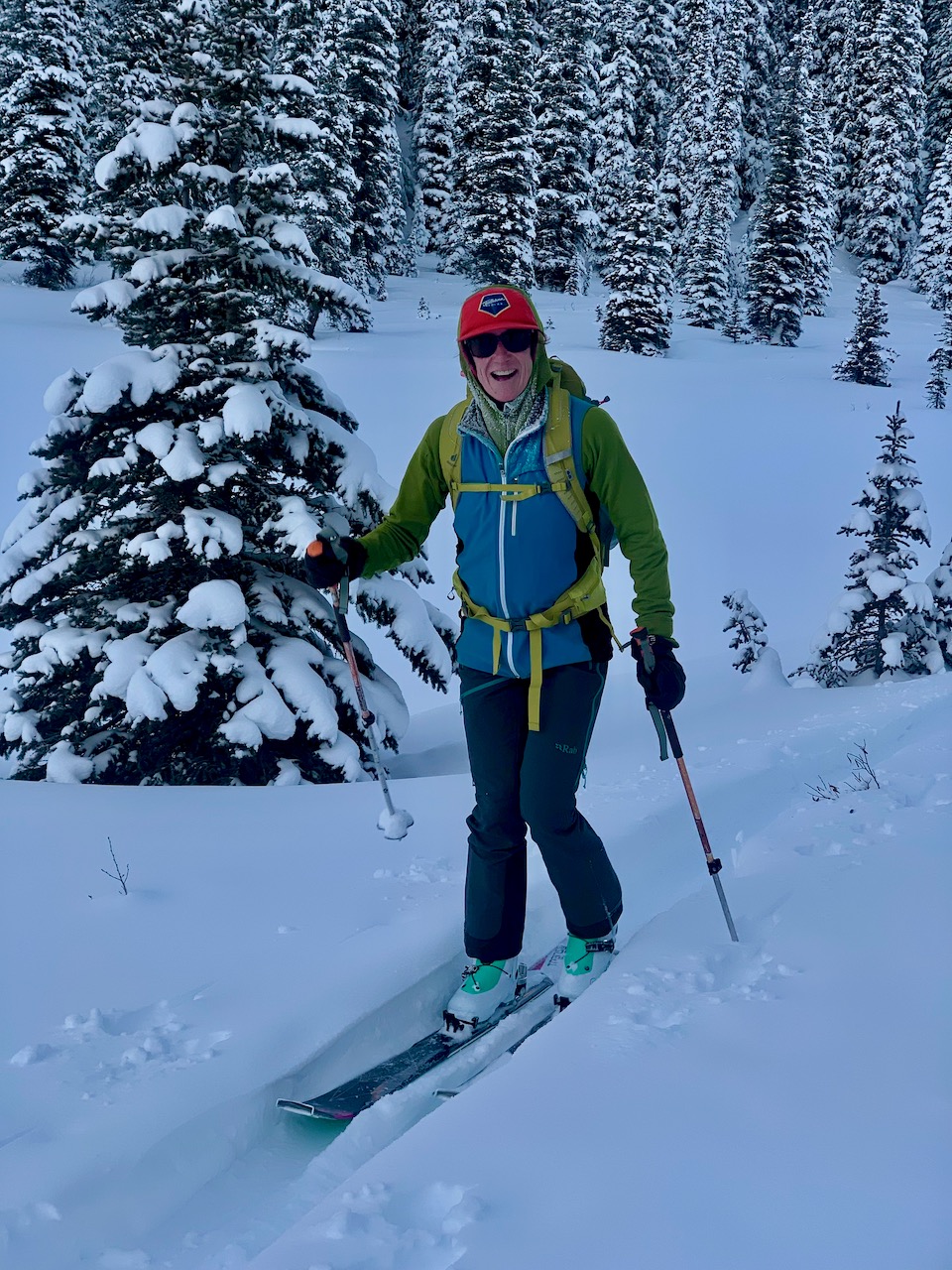
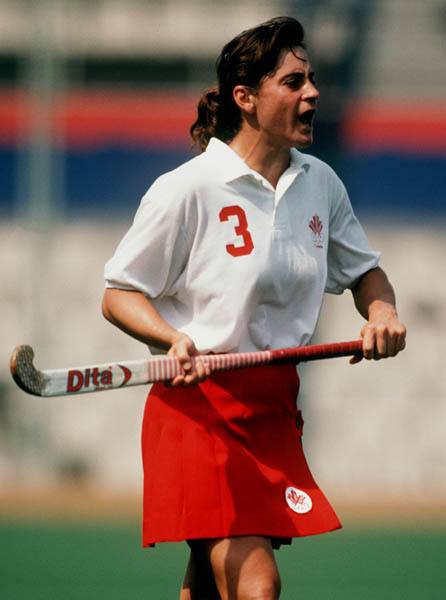
Jasper’s other Olympic daughter is Deb Covey (no relation to this publication’s editor), a multi-sport athlete whose name frequents the sporting records in the Jasper Yellowhead Museum and Archives. Deb lives Down Under now, but competed with the Canadian field hockey team in the 1988 Olympics in Seoul, South Korea, as well as in Barcelona, Spain, in 1992. Canada finished sixth in Seoul and seventh in Spain, and Deb went on to become a much-loved, extremely successful coach of women’s sport at the University of Alberta.
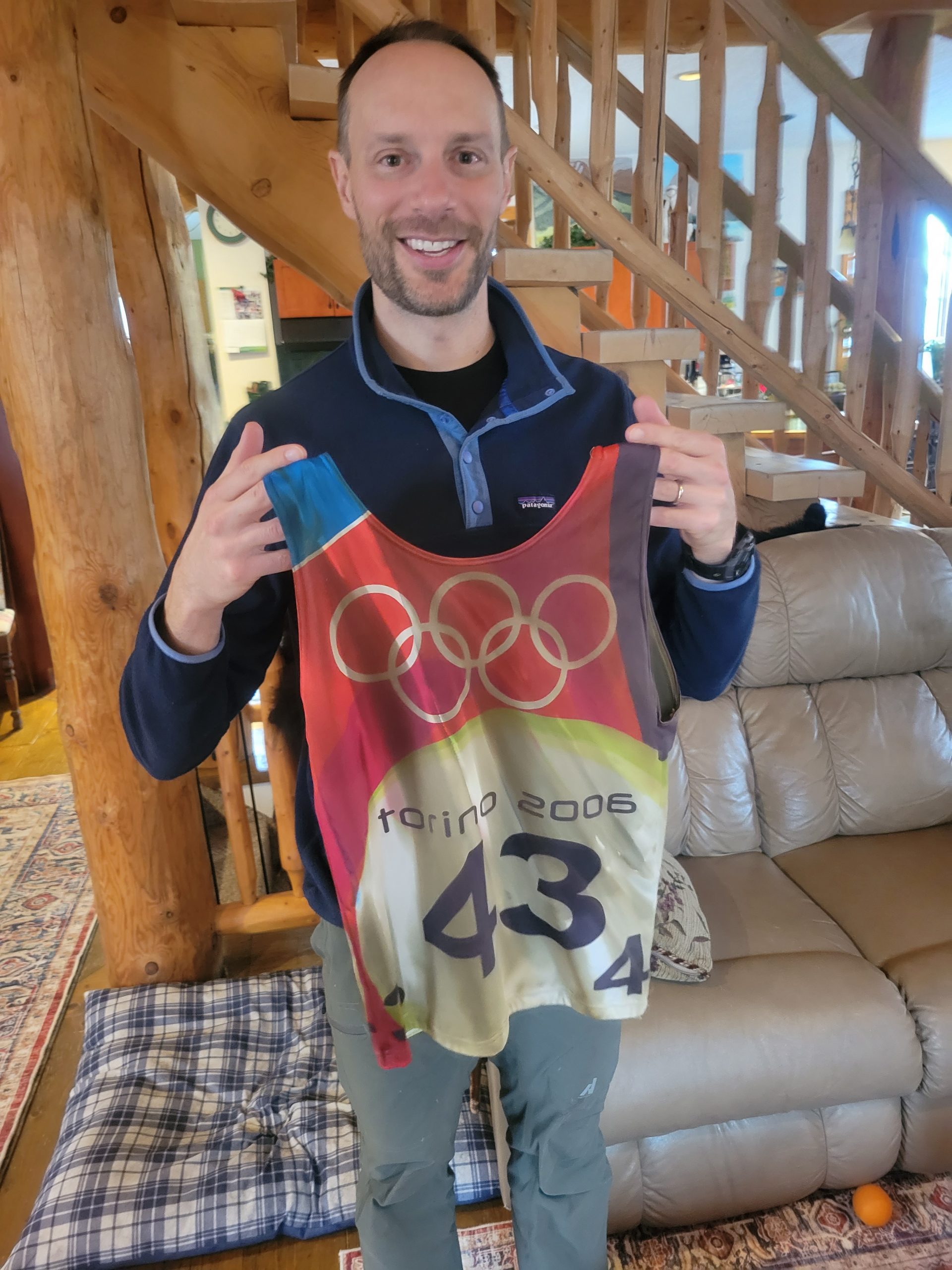
When David Leoni moved to Jasper in 2014, he had just spent six years committed to earning a dentistry degree. That’s an achievement for anyone, but it’s not necessarily David’s proudest. As he talks about the 15-years prior to that, the time he spent as a competitive biathlete, a sparkle shines in his eye.
David was one of Canada’s top contenders in the sport that pits one’s aerobic stamina in cross-country skiing with the calm required to shoot a 11.5 cm target from 50 meters with a .22 caliber rifle. An outside shot at a podium placement at the 2006 Turin Olympics, he nonetheless speaks with absolute joy as he recounts competing near his ancestral home in Northern Italy.
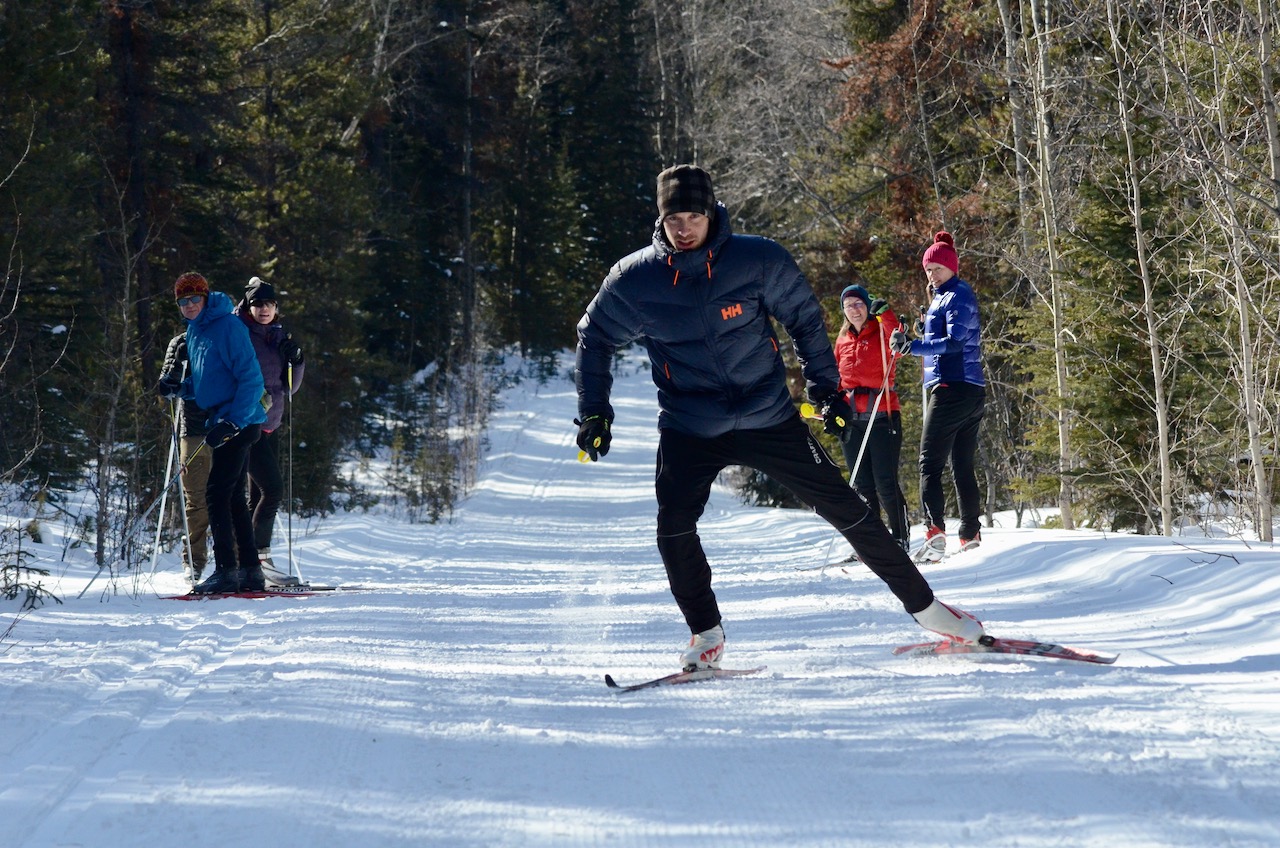
David competed in three events, most notably the sprint, where he finished as the top Canadian and only two minutes off the podium.
With no world-cup events scheduled, after his racing David was able to hang out in Turin, take in other events and soak up the atmosphere at the Olympic village. This included, improbably, a Big Mac eating contest. Like Loni, who was buoyed by a telegram of encouragement from her Jasper fans, David fondly recalled that his entire extended family—most of whom lived in the region around Turino—showed up to watch him compete. David didn’t medal at his Olympics but talking with him, you would never know it.
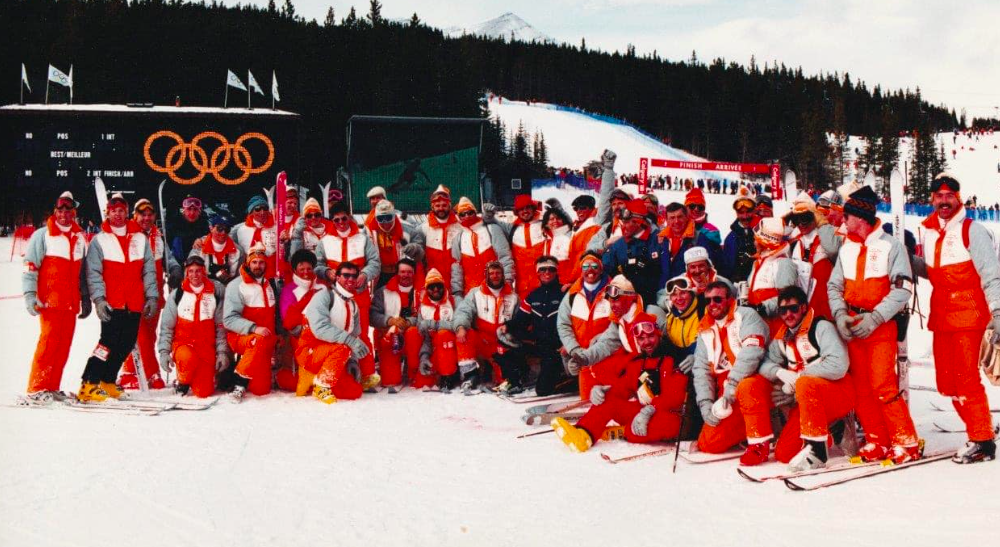
The Calgary winter Olympics in 1988 changed everything. Prior to Calgary, ceremonies were dull, officials kept a lid on fun, and the focus was strictly on the competition. Loni described the opening ceremonies in Lake Placid as solemn. David enjoyed the closing ceremonies in Turino, but in part because he got to meet his curling hero, Canadian gold medalist Russ Howard.
Calgary, however, was a party, and Jasper was there to put the J in jamboree. When Donny Nodgren, long time Jasper ski-coach and ski official was called upon to be Chief of Course at Nakiska for the slalom and giant slalom events, he assembled a unit from Jasper’s ski team to help.
Alberta ski team member Brian Wilson wasn’t called to race, but rather to volunteer. He and his Jasper mates worked the slopes, erecting safety fencing and setting gates for competitors from ski nations as unlikely as Mexico and Morocco. They did their job, and even got a volunteer medal, but what Brian recalled most of all was the fun.
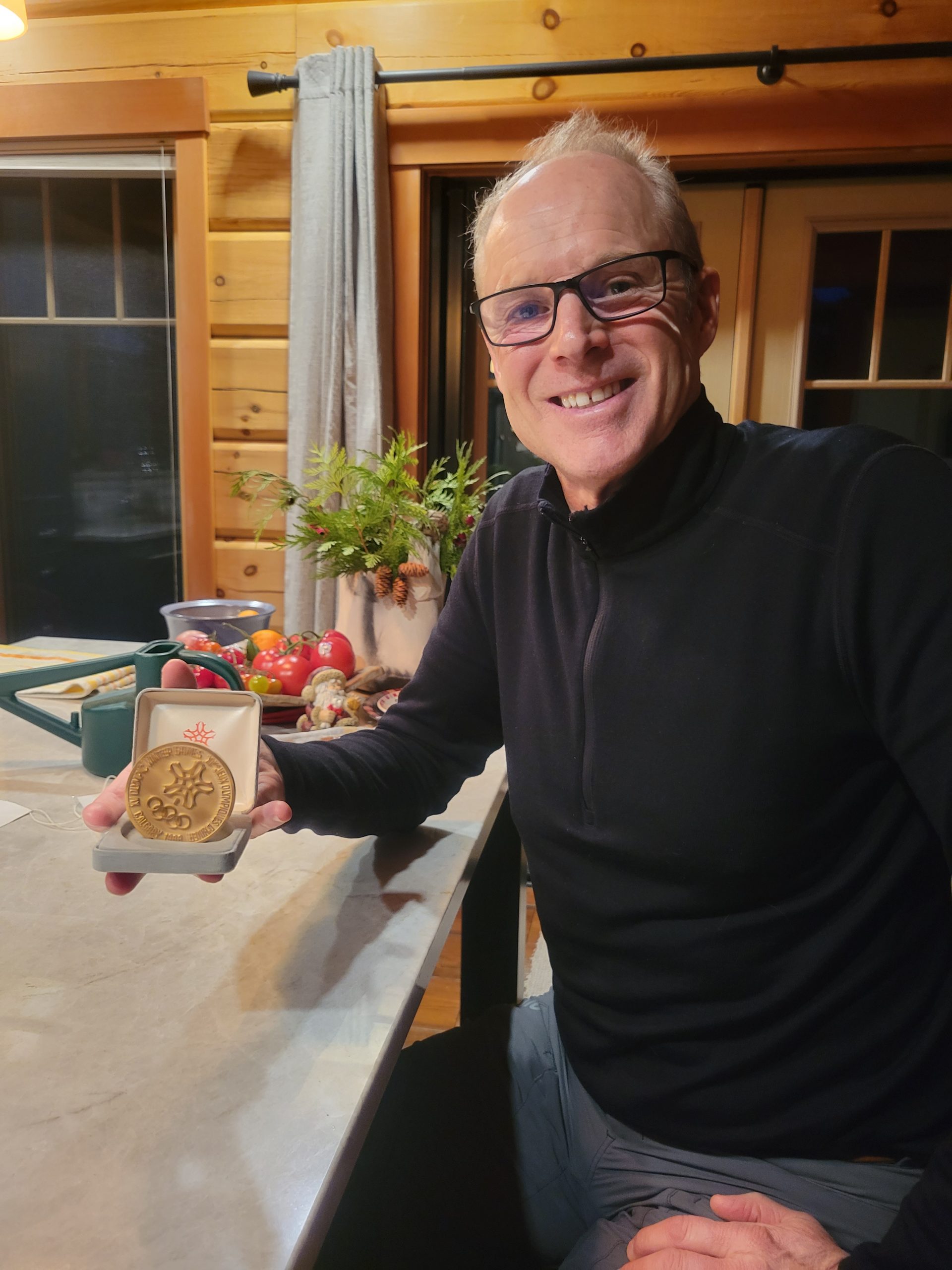
Arriving in Kananaskis two weeks before the Games started, their first call was to Tubby Town, a hot tub rental outfit in Calgary, from which they ordered the largest unit that could be delivered. Soon, word spread about the 15-person tub and the best party in the village. The pool party became its own Olympic venue, requiring tickets and attracting athletes from non-ski events, with many adhering to the dress code enforced in the ancient games. This was the era of the Jamaican Bobsled team and Eddie “The Eagle” Edwards. Good times.
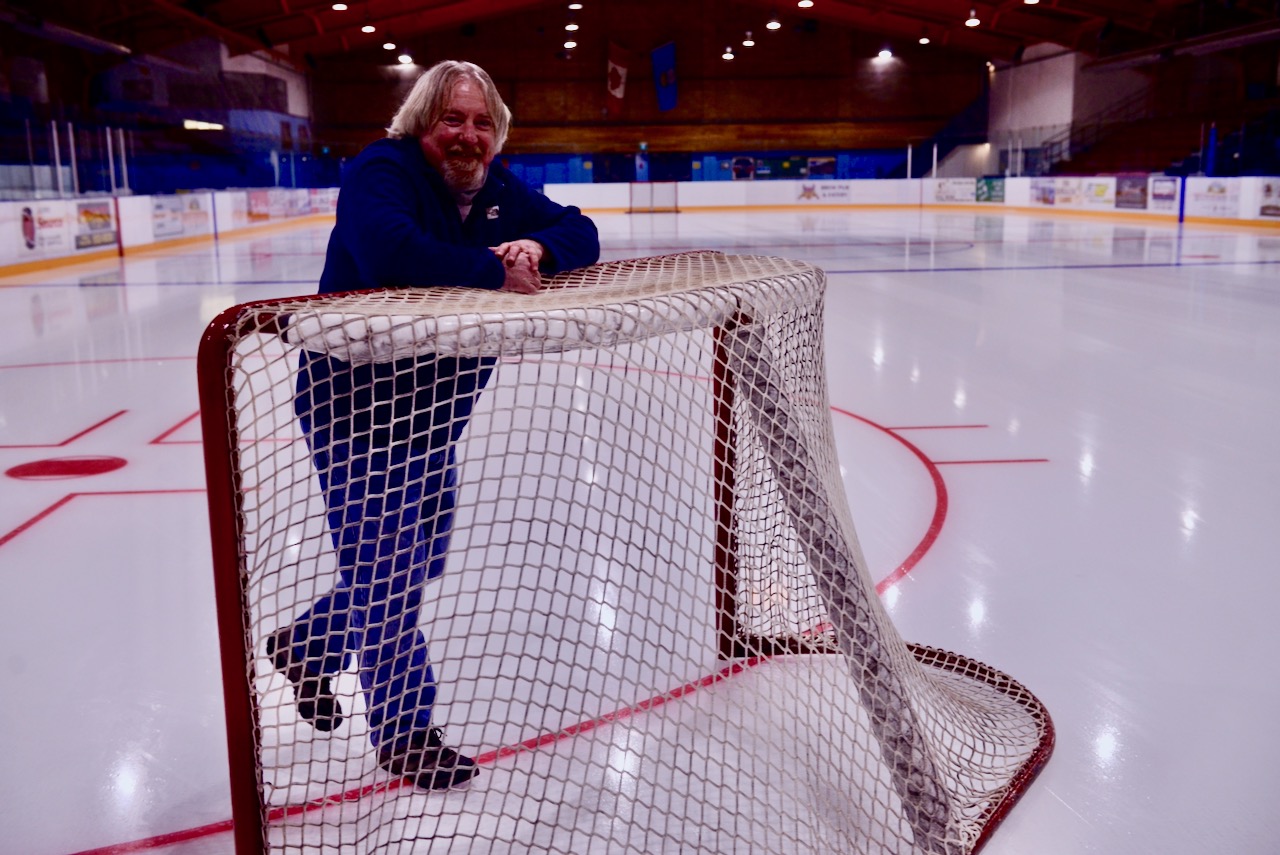
Hockey pundits are wringing their hands about the potential poor ice quality at the upcoming games in Italy. This was not an issue at the 2010 Vancouver Olympics, with Jasper ice masters Peter Bridge, Robbie Jared and Kendall Block recruited to ensure top ice quality. Canada’s hockey teams won double gold that year, and lucky loonies aside, we know Jasperites were the secret sauce. The Milan rink managers should get on the phone.
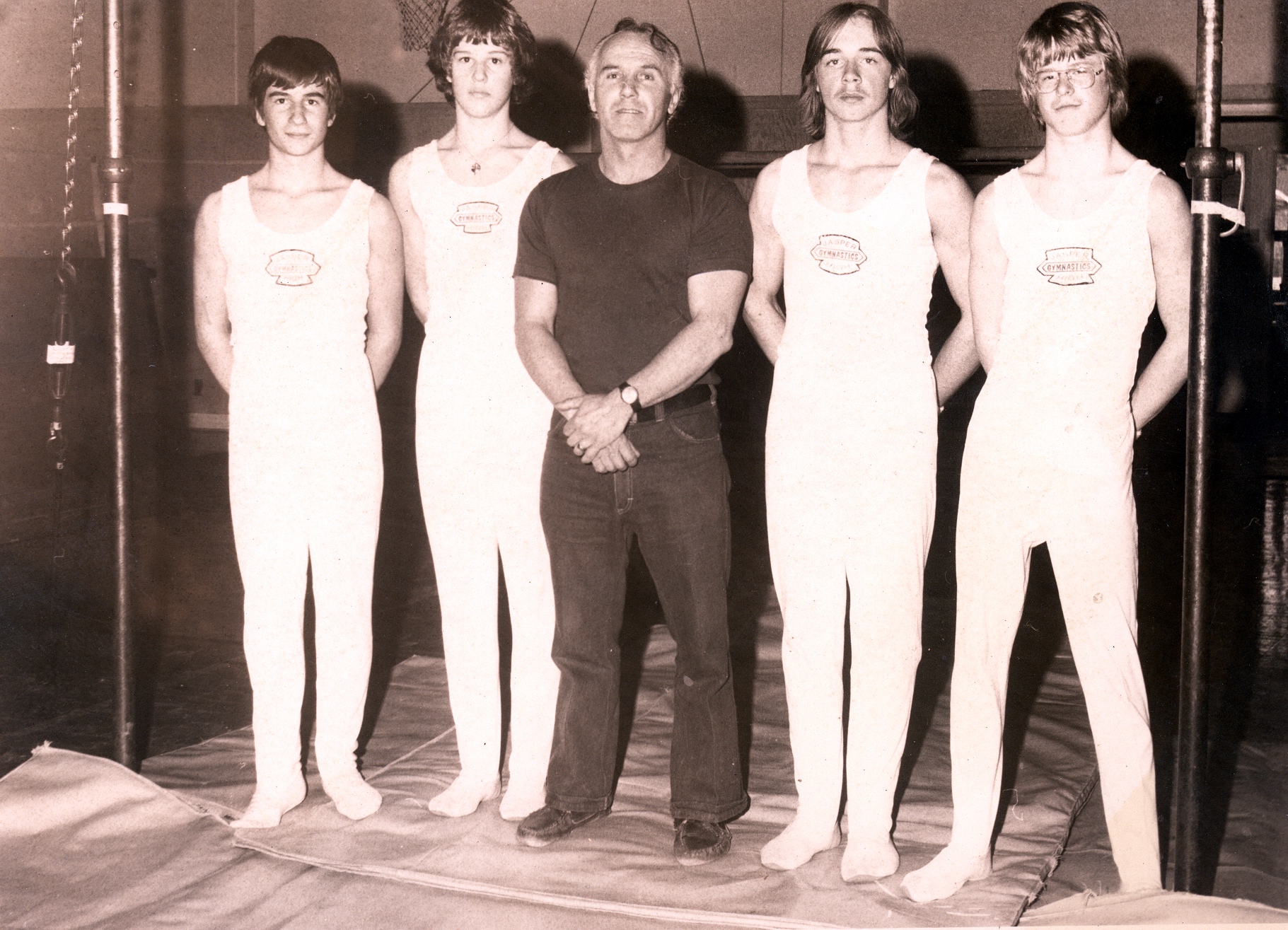
Barney Hughes dedicated his life to sport. The long-time Jasper high school gym teacher inspired dozens of Jasper’s athletes, including Walter Scott, Jasper resident and father of Olympic cross-country ski gold and silver medalist Beckie Scott (who competed alongside David Leoni in Turino).
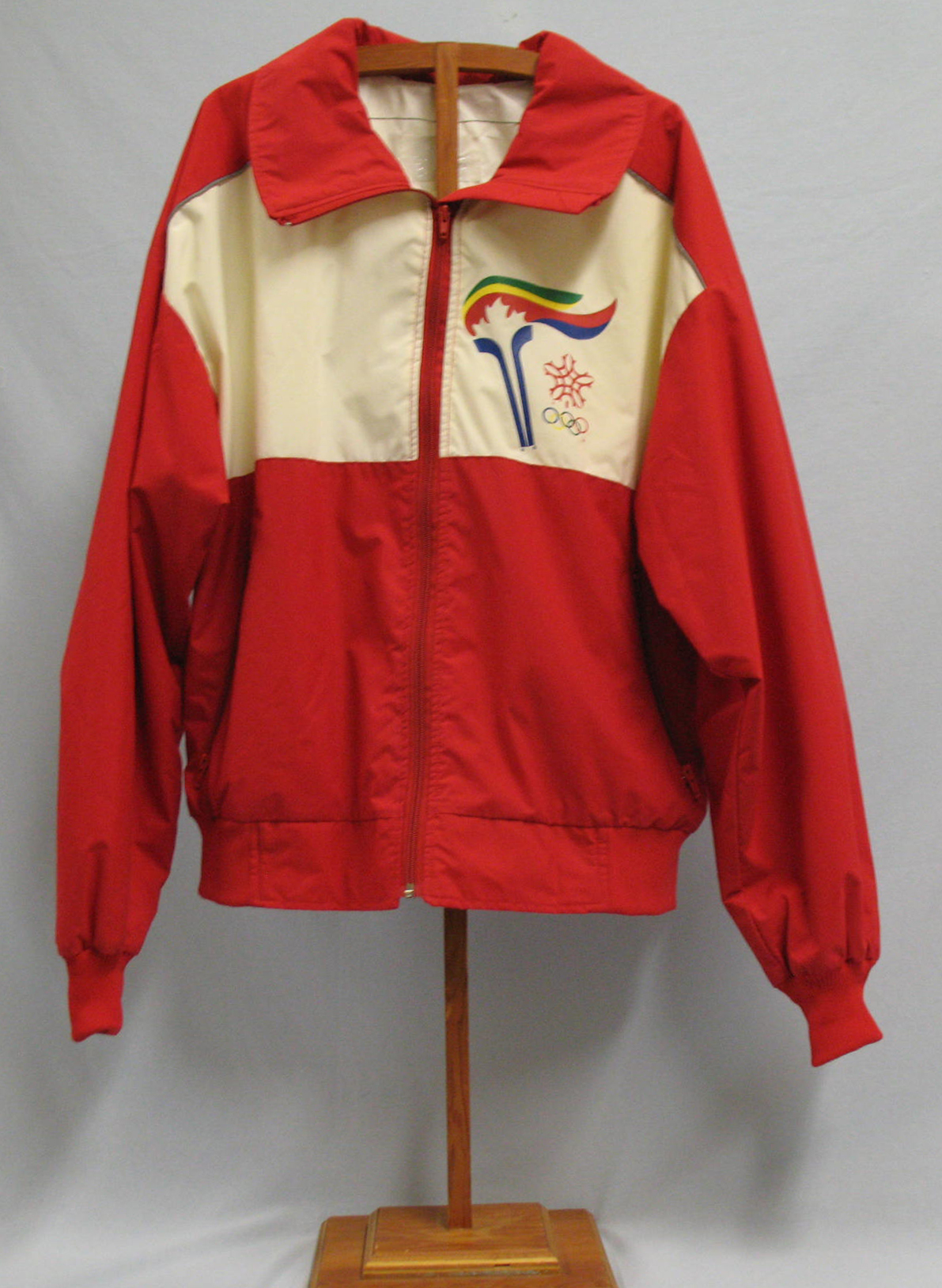
Barney was not an Olympian, but in 1988, at the age of 60 he yearned to participate. To spark enthusiasm for the games, Petro Canada invited Canadians to fill in a ballot to win a spot as an Olympic torch relay runner. To increase his odds, Barney had friends and family fill in ballots for him when they fuelled up.
One thousand, two hundred and thirty seven ballots later, his gambit worked: Barney secured a spot to traverse Lloydminster, torch in hand, feeling like he won the lottery. Barney is no longer with us, but his wife Mildred proudly recounted his contribution to Canada’s Olympic tradition. Torch in hand, it was the proudest quarter-mile he ever ran.
It is easy to be cynical about the modern Olympics. The spirit embodied by teams of naked men sprinting for peace in ancient Greece is hard to project to today’s world.
But having soaked up the vibe from our own athletes, and following the budding careers of Jasper’s future Olympians (Jesse and Jake Kertesz-Knight anyone?), I’ll be tuning in. Maybe from a hot tub.
John Wilmshurst // info@thejasperlocal.com