

Nearly two years after wildfire tore through Jasper, Canada’s Minister of Emergency Management says communities across the country should brace for another challenging fire season — and that Canadians themselves have a critical role to play in preparing for it.
“We think that British Columbia, Alberta and Saskatchewan this year, as well, are going to be challenging,” said Minister Eleanor Olszewski in an interview with The Jasper Local during Emergency Preparedness Week. “To the best of our knowledge at the present time, it looks like it will be a lot like last year.”
The forecast, she said, is based on federal climate and wildfire modelling that points to continued dry conditions and high temperatures across parts of Western Canada.
Olszewski, who also serves as the federal ministerial lead for Jasper’s wildfire recovery, said Ottawa has “taken a hard look” at its emergency response systems since the 2024 disaster. Among the changes is a $315 million federal investment in wildfire response capacity and the opening of a new federal government operations centre in Ottawa, intended to improve coordination between provinces, territories, Indigenous communities and federal agencies during major emergencies.
“There’s a lot of moving parts to dealing with a wildfire,” she said. “Better coordination on the part of the federal government and how we collaborate with provinces and territories and First Nations will be incredibly important.”
Jasper’s wildfire response was unique because the townsite sits within a national park under federal jurisdiction. Olszewski said there were “issues in terms of jurisdiction” during the recovery, but said the current focus is on rebuilding.
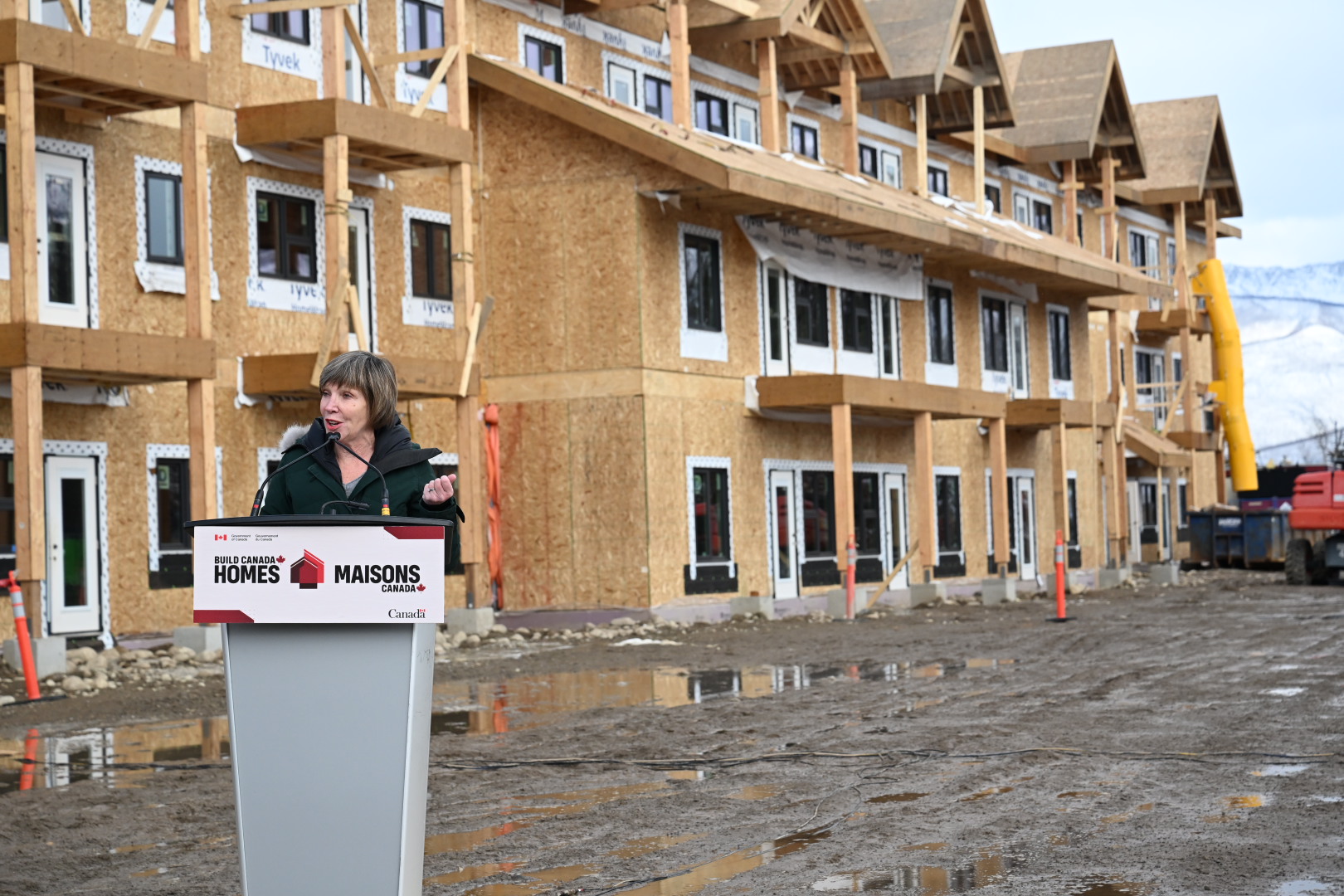
That rebuilding effort, she was pleased to report, has begun to pick up steam. Olszewski pointed to the rapid turnaround of development permits and the completion of contamination remediation on private residential lots.
“There’s incredible progress being made in terms of the rebuild,” she said.
Emergency Preparedness Open House
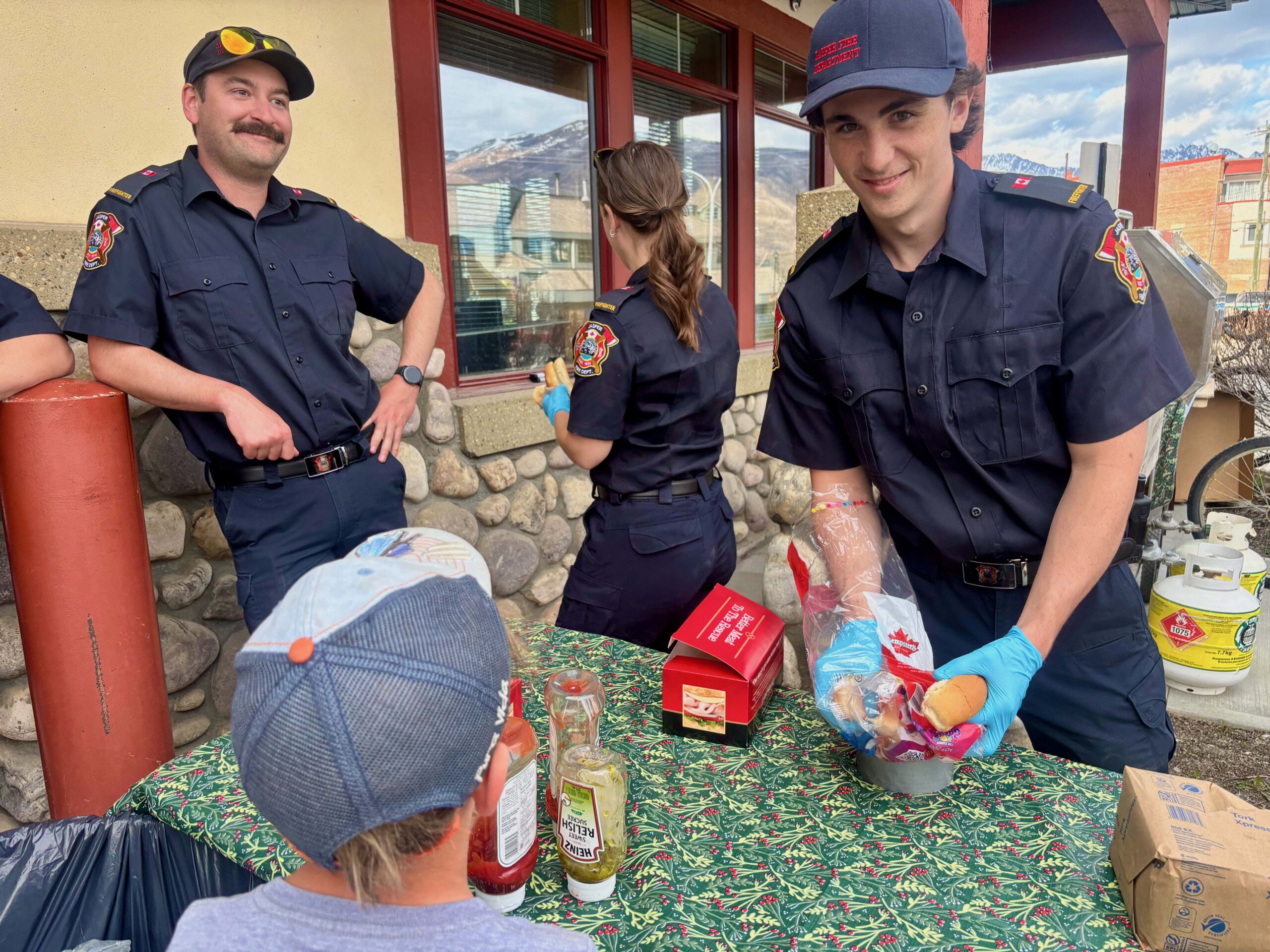
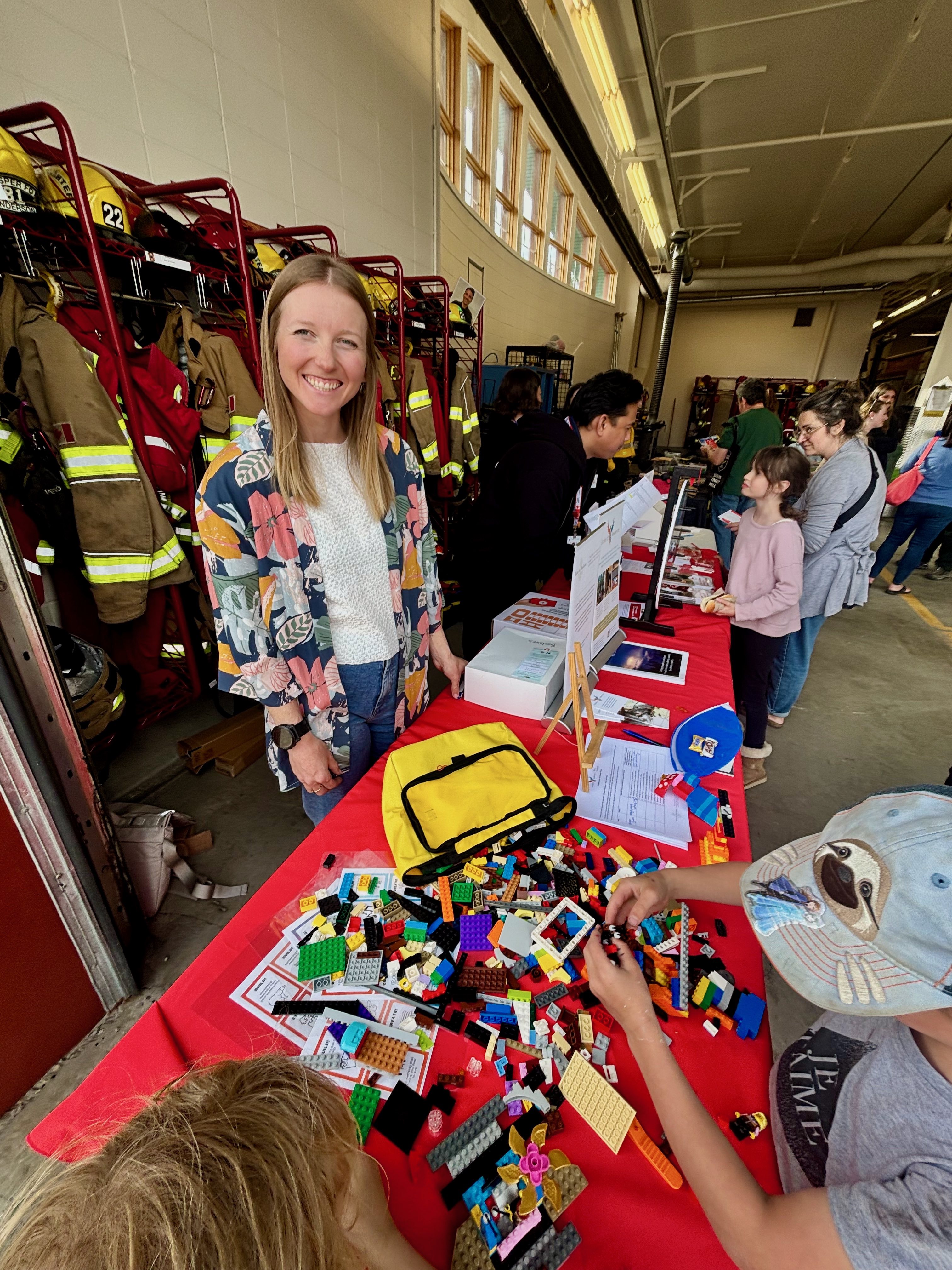
In Jasper this week, local officials and agencies collaborated on Emergency Preparedness Week outreach events.
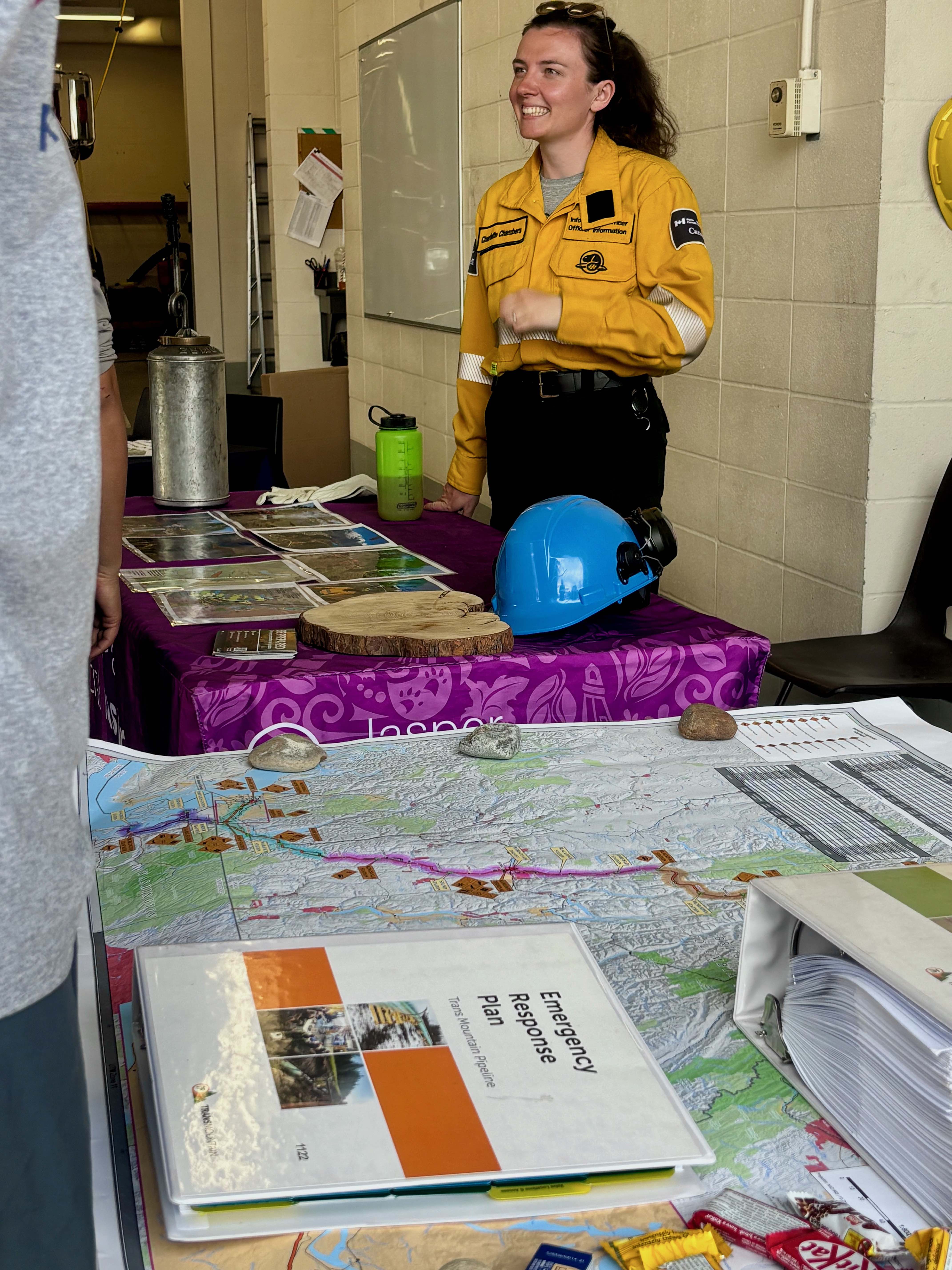
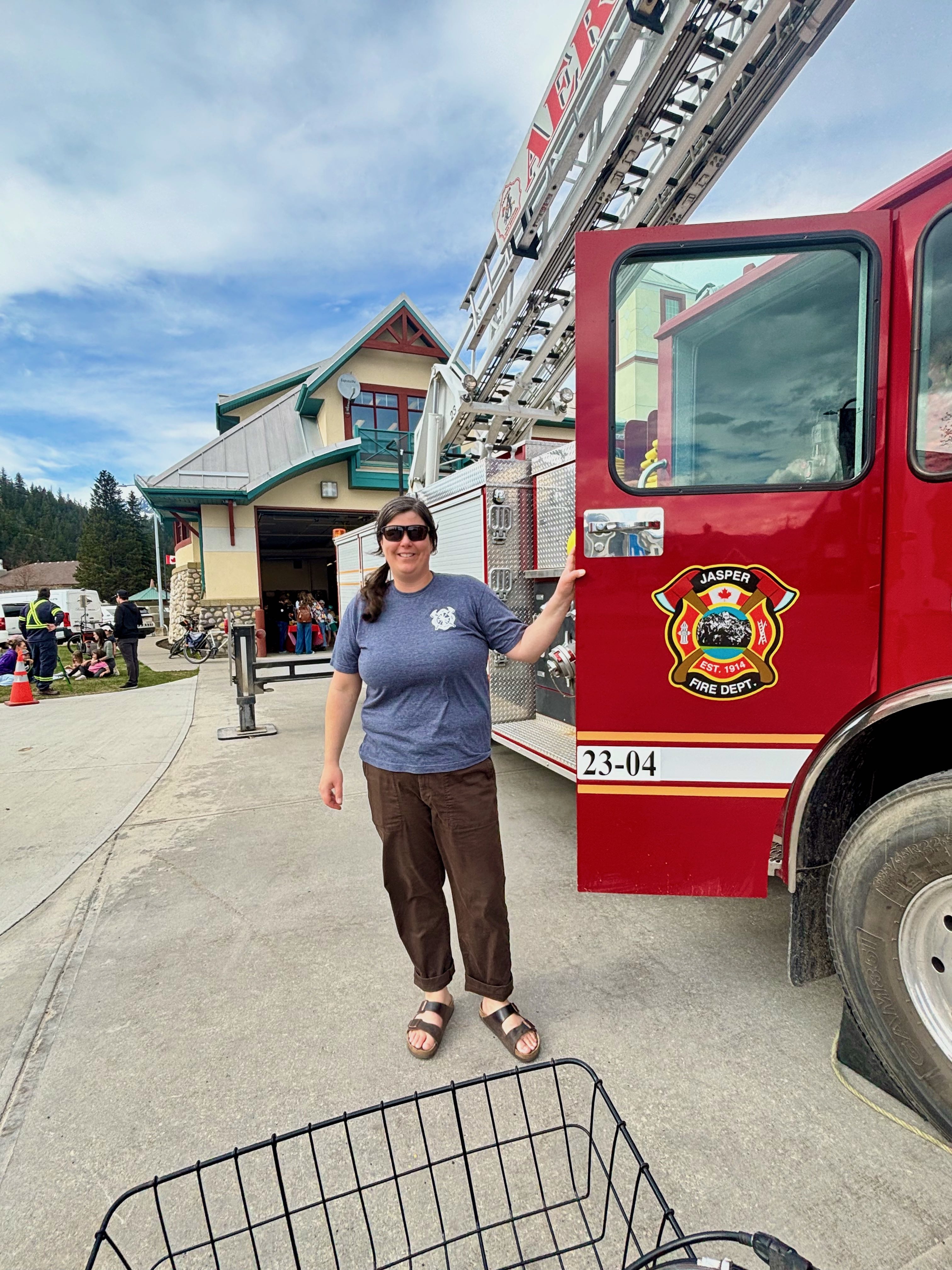
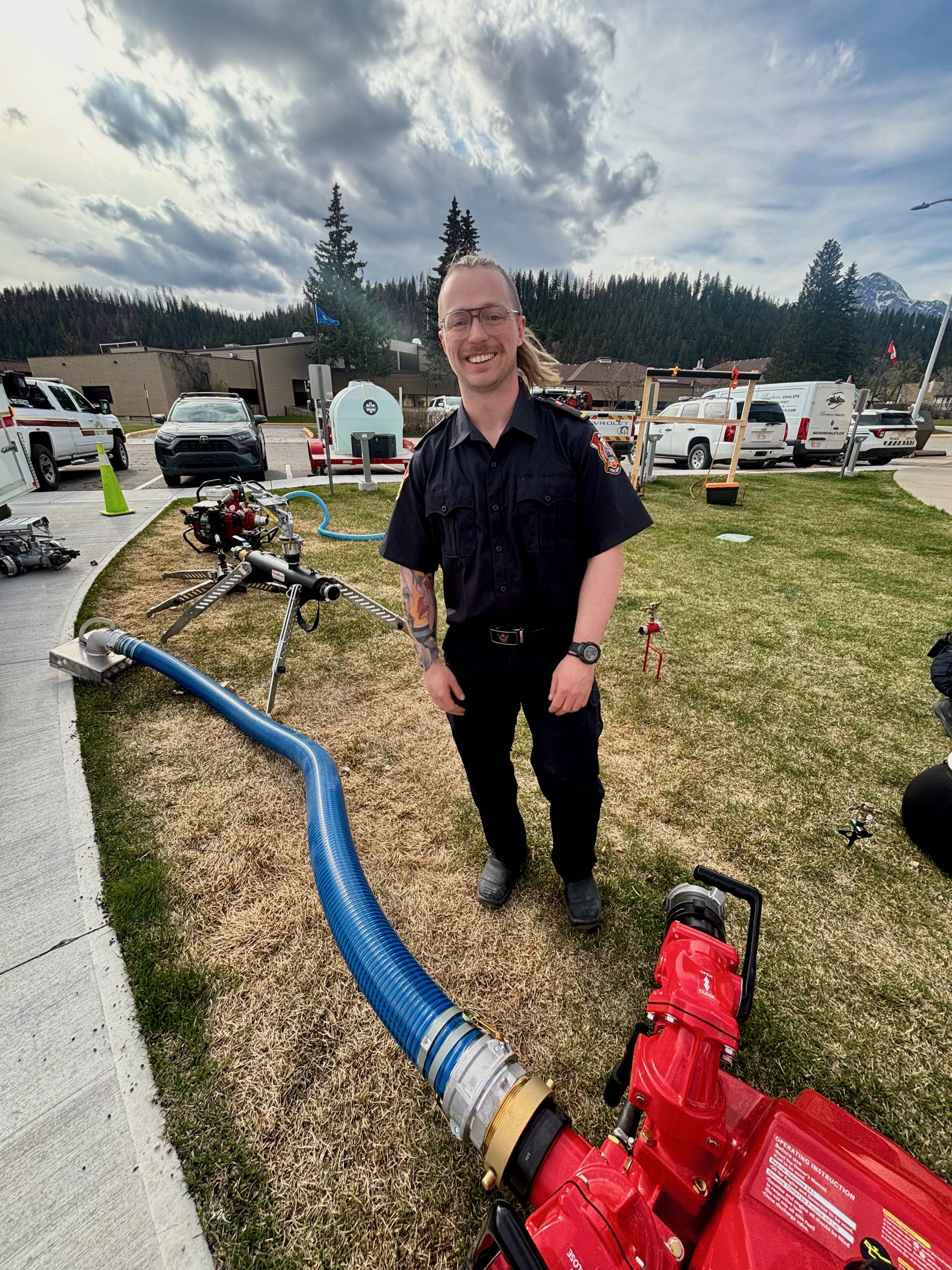
On Wednesday evening, members of the Jasper Volunteer Fire Brigade rolled up the bay doors of the firehall, pulled out the department’s big red pumper truck and showcased a brand new fleet of mobile, high-powered sprinklers and other structural protection system equipment. The JVFB hosted an open house and BBQ with partner organizations such as TransMountain, ATCO Gas & Electric, Grande Yellowhead Public School Division, FireSmart Alberta and the Canadian Red Cross.

Along with a book for their kids courtesy of the GYPSD, Jasper residents were encouraged to pick up their evacuation guides and reacquaint themselves with tips to protect their home and property.
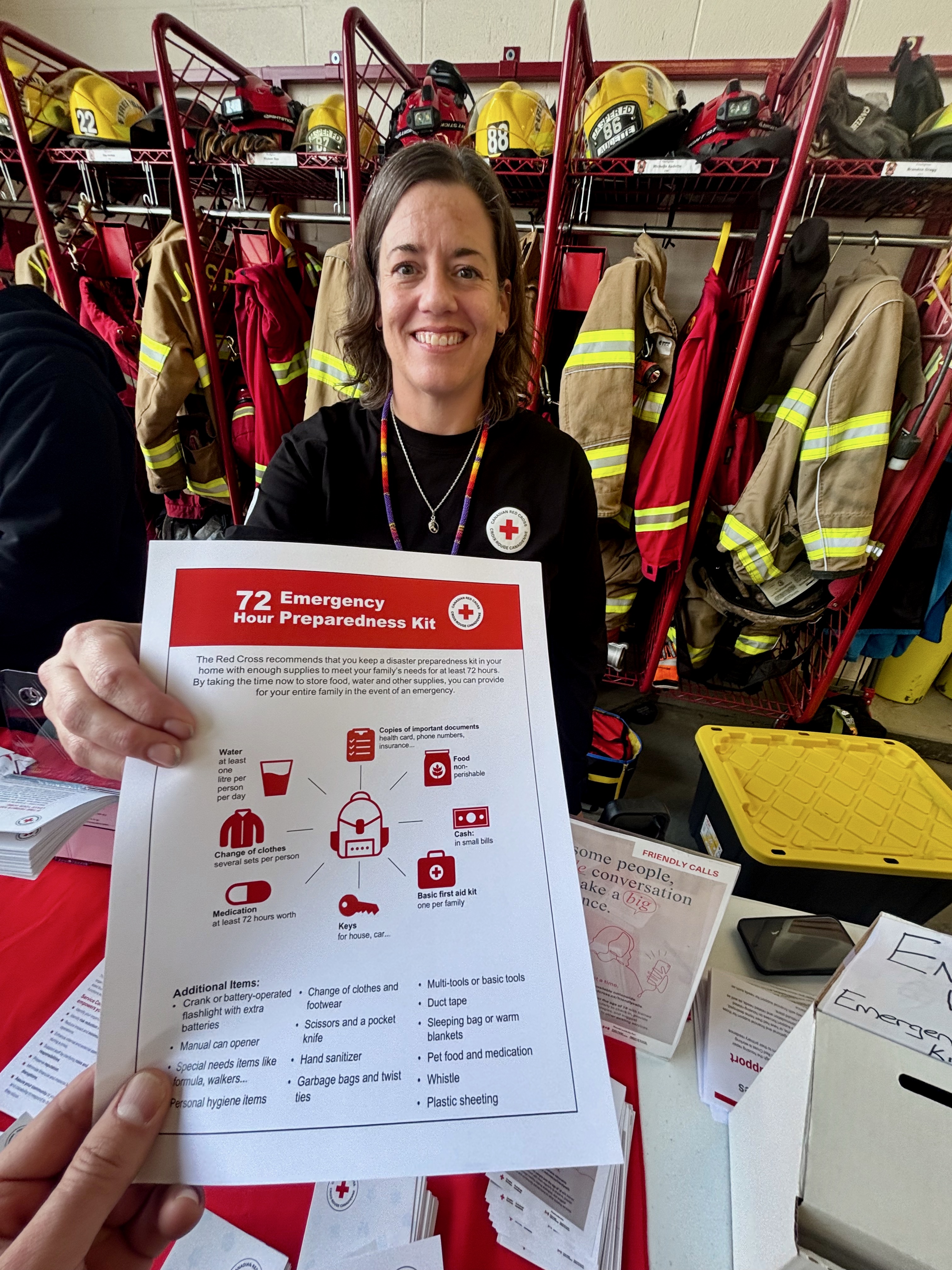
“Preparedness starts with simple actions,” said Carmen Werbowetsky with the Canadian Red Cross. She encouraged Jasperites to know their risks, stay informed and build a 72-hour kit with essential supplies and important documents.
FireSmart Alberta staff were visiting Jasper from Edson, where in 2023 the community was evacuated twice because of wildfires—once in May and again in June. The second wildfire jumped fireguards and ended up just 1.5 kilometres from the town’s southern edge, forcing residents to flee for 12 days. Many found refuge in Jasper.
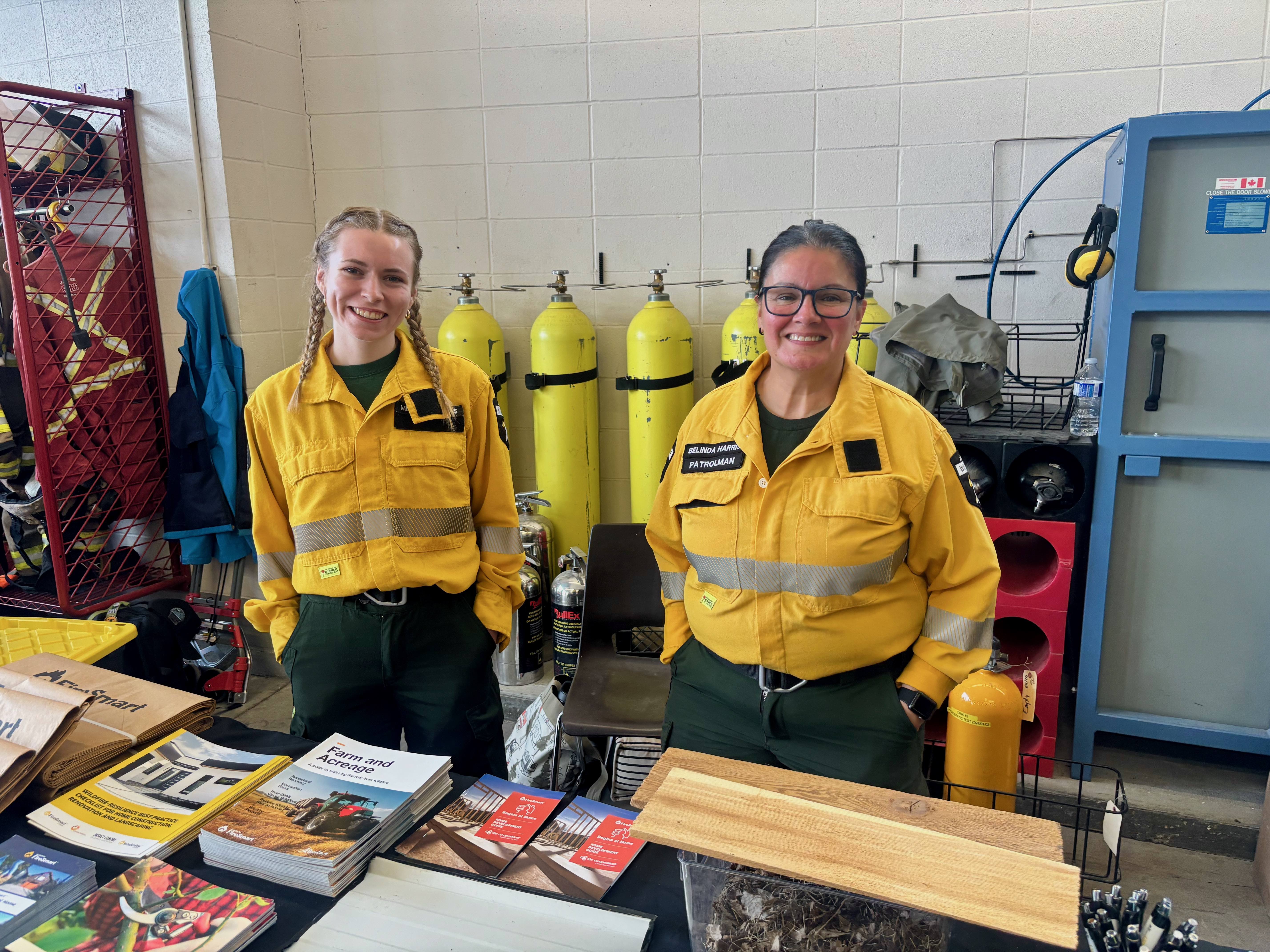
As for Jasper’s wildfire in 2024, Minister Olszewski credited years of FireSmart work around the community with helping prevent even greater destruction during the disaster. She encouraged residents to continue reducing vegetation around homes, reconsidering flammable landscaping and using fire-resistant building materials wherever possible.
“There’s a lot of simple things that can be done,” she said.
The minister also described a broader shift in how Ottawa approaches disaster funding. Recent changes to the federal Disaster Financial Assistance Arrangements program now include incentives for mitigation and resilience projects, not just post-disaster recovery, she said.
Asked how the federal government reconciles promoting extractive resource development while simultaneously investing heavily in climate resilience and emergency management, Olszewski defended Ottawa’s climate policies while emphasizing her portfolio’s focus on public safety.
“We have a huge focus on clean energy as well,” she said, adding that the federal government also maintains “a very strong climate policy and nature policy.”
Still, she acknowledged the scale of the challenge facing Canada.
“What we know is most Canadians don’t really understand their risk,” she said, citing federal statistics suggesting only one in 10 Canadians has taken concrete steps to protect their property from natural disasters.
“The last few years has really taught us that we need a whole-of-society effort in order to deal with the effects of climate change and natural disasters,” she said.
For Jasper residents, that effort may begin less with Ottawa than at home — learning how to reduce their risks of disaster, yet being prepared for the possibility that another smoky summer may well lie ahead.
Download the Alberta Emergency Alert App to receive critical, real-time information and download the Evacuation Guide or pick one up at the Jasper Activity Centre, 303 Bonhomme. St.
Bob Covey // bob@thejasperlocal.com