

For millennia, the high-elevation lakes and rivers in Jasper knew not of fish.
This may have been due to the hard, mountain winters. Or perhaps to waterfalls that prevented the abundant fish of Jasper’s valley bottom lakes and rivers making it upstream. Regardless, for all that time, most of Jasper’s lakes were safe homes for insects and amphibians, free from the predatory skills of their finned, aquatic foes.
This fact was not lost on W.F. Whitcher in 1896 when he laid out the conservation guidelines for Canada’s emerging national parks. As the former federal fisheries commissioner, Mr. Whitcher was a fish guy, penning several books on the watery beasts during his long career as an Ottawa bureaucrat. Fishless lakes were also apparent to Fred Brewster as he explored Jasper’s backcountry, including a guiding trip for a group of Winnipeg biologists through the Maligne Valley in 1920. Both Whitcher and Brewster suggested that the paucity of recreational angling opportunities could, indeed should, be remedied.
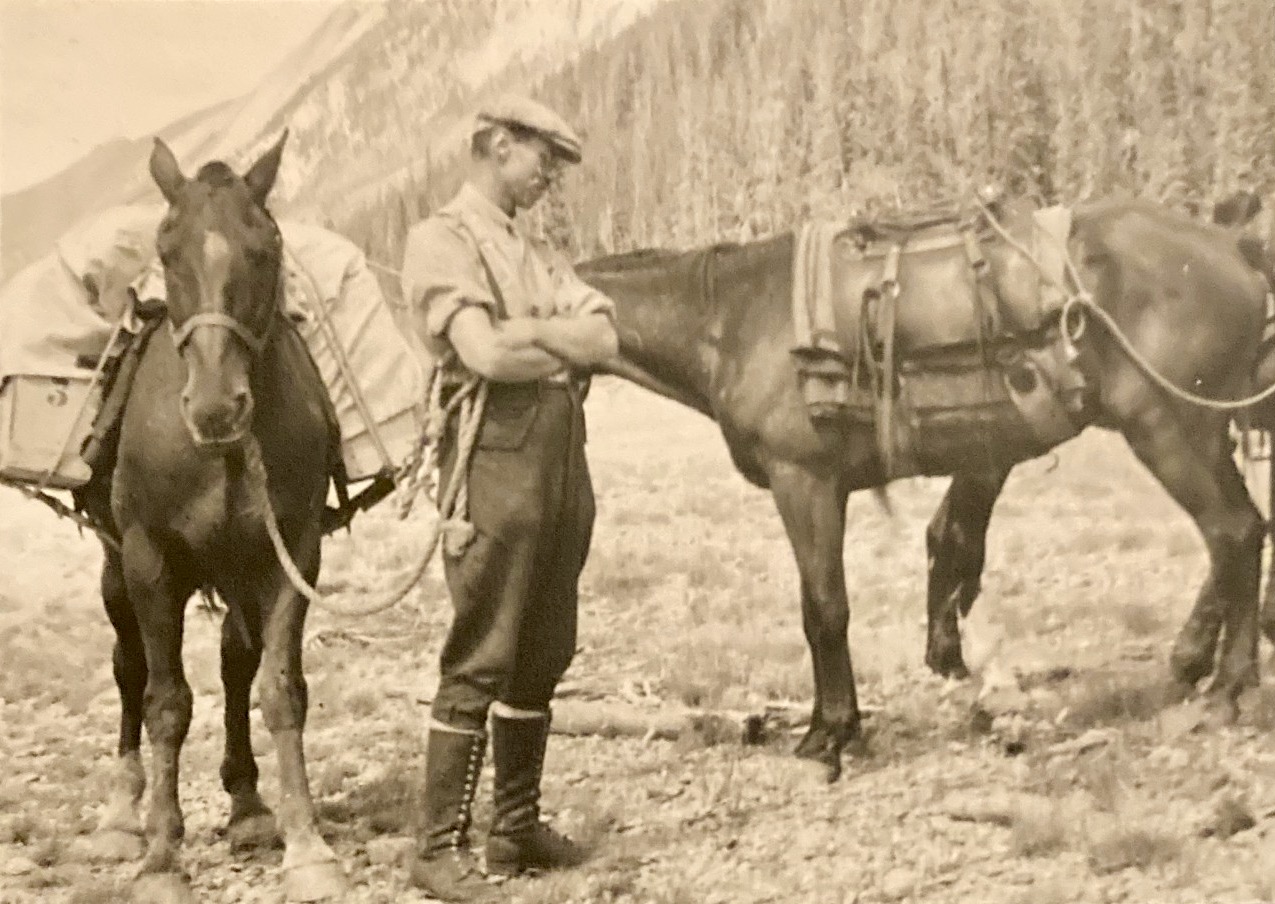
Fish or cut bait
Banff, Canada’s first national park, stepped up. In 1913 they established one of Canada’s first fish hatcheries. Within four years, they were sending fish to Jasper Forest Park. In 1917, 32,000 non-native cutthroat trout were introduced to Lakes Edith, Annette, Patricia and Beauvert, and almost 3,000 Atlantic Salmon were sent to Pyramid and Patrica Lakes. As for the complacent frogs and bugs of Maligne and Celestine Lake, they could not know what was in store for them a decade later.
Fishing is a pastime that inspires deep passions. Last year, Dr. Ali Jalali and coauthors reported in the journal Marine Policy that fully one in 10 humans are anglers. Tackle junkies drop billions in cash annually for equipment, boats, and trips in the pursuit of elusive finned prey. Personal motivation is subjective, but is more related to the targeted species than the prospect of a catching anything. Dr. Jalali published something that, 100 years ago, was obvious to one Mr. William Cable: stock a good sportfish and anglers will follow.
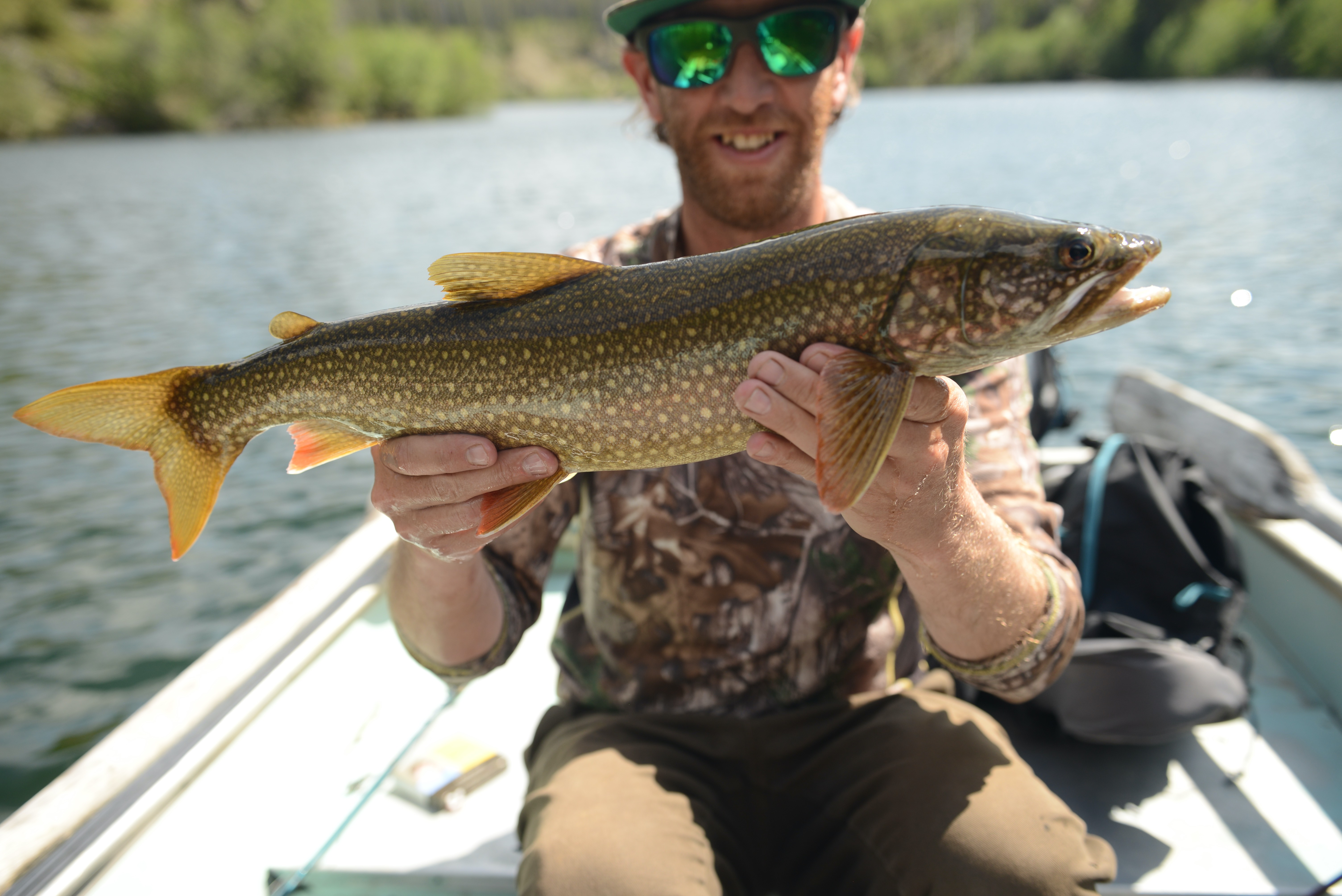
Fisher of Men
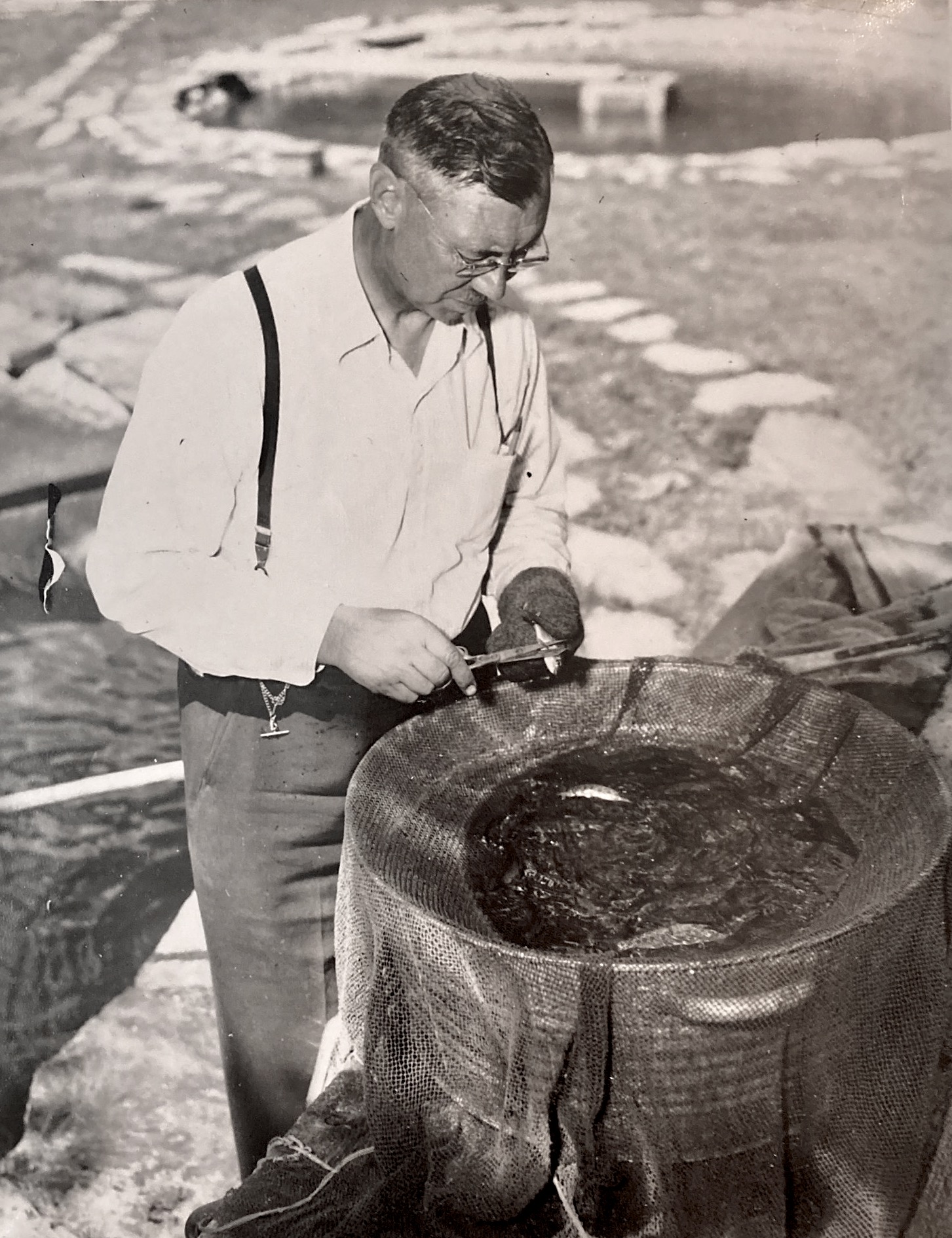
Bill Cable, as he was known, was a true fish and hatchery enthusiast. Born in England in 1897, Bill survived the Great War, emigrating to Canada as a 22-year-old, eventually getting a job as a fish hatchery assistant in Waterton Lakes National Park. That deployment was the spark that lit Bill’s fuse.
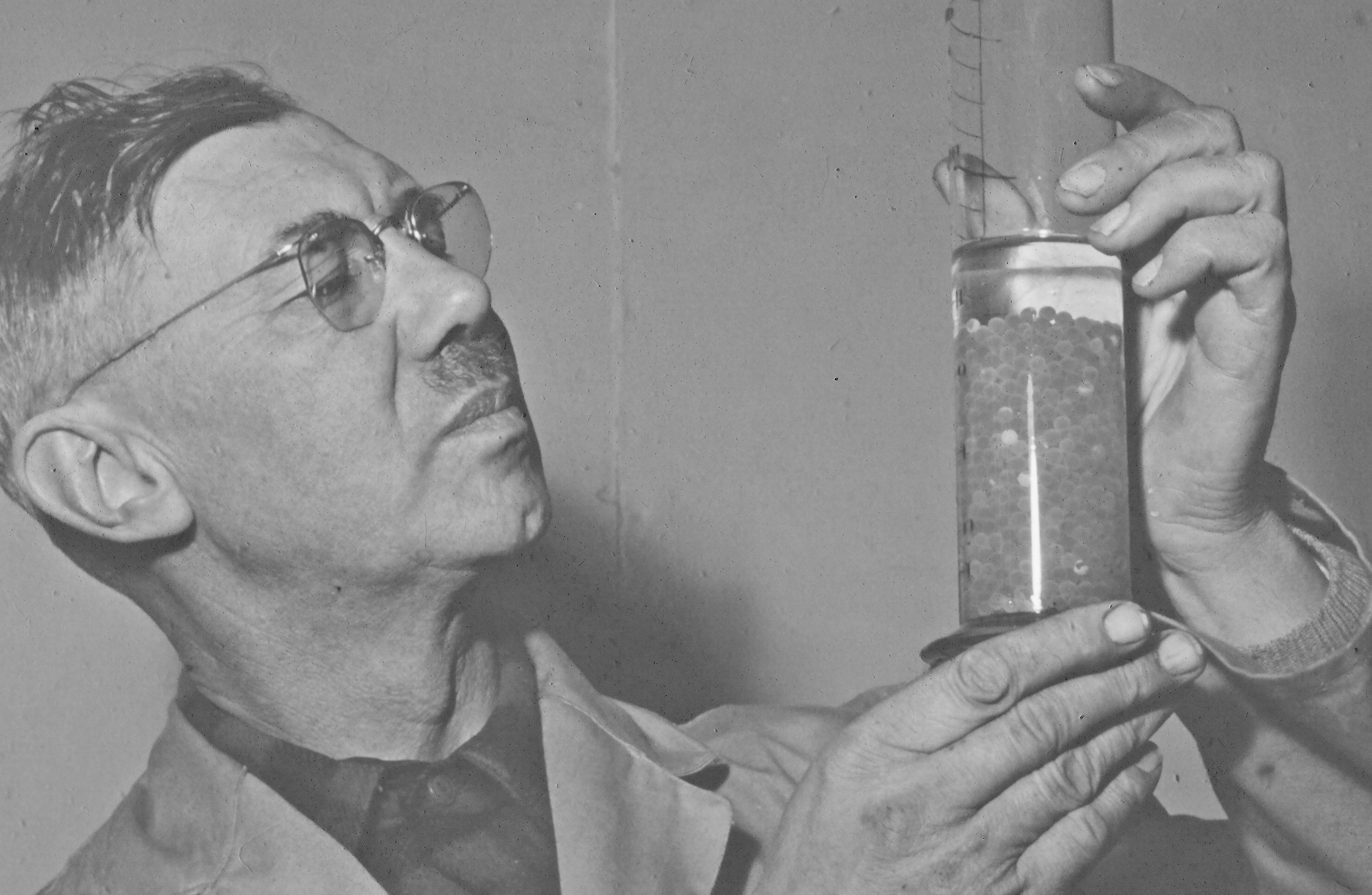
Around the same time that Mr. Cable was earning his hatchery chops in Waterton, Jasper was getting into the fish rearing business. JNP’s modest start in 1932 consisted of rows of rearing troughs in the basement of the park’s administrative building—now the Parks Canada Information Centre at 500 Connaught Drive. As a testament to the fish-raising skills of parks wardens in this rudimentary setting, in a decade of operation, almost 3 million hatchery-raised trout were released to 70 ponds, lakes, rivers and streams around the park. Not all were raised in Jasper, but the success was obvious. Thousands of visiting hook wetters were ecstatic and encouraging.
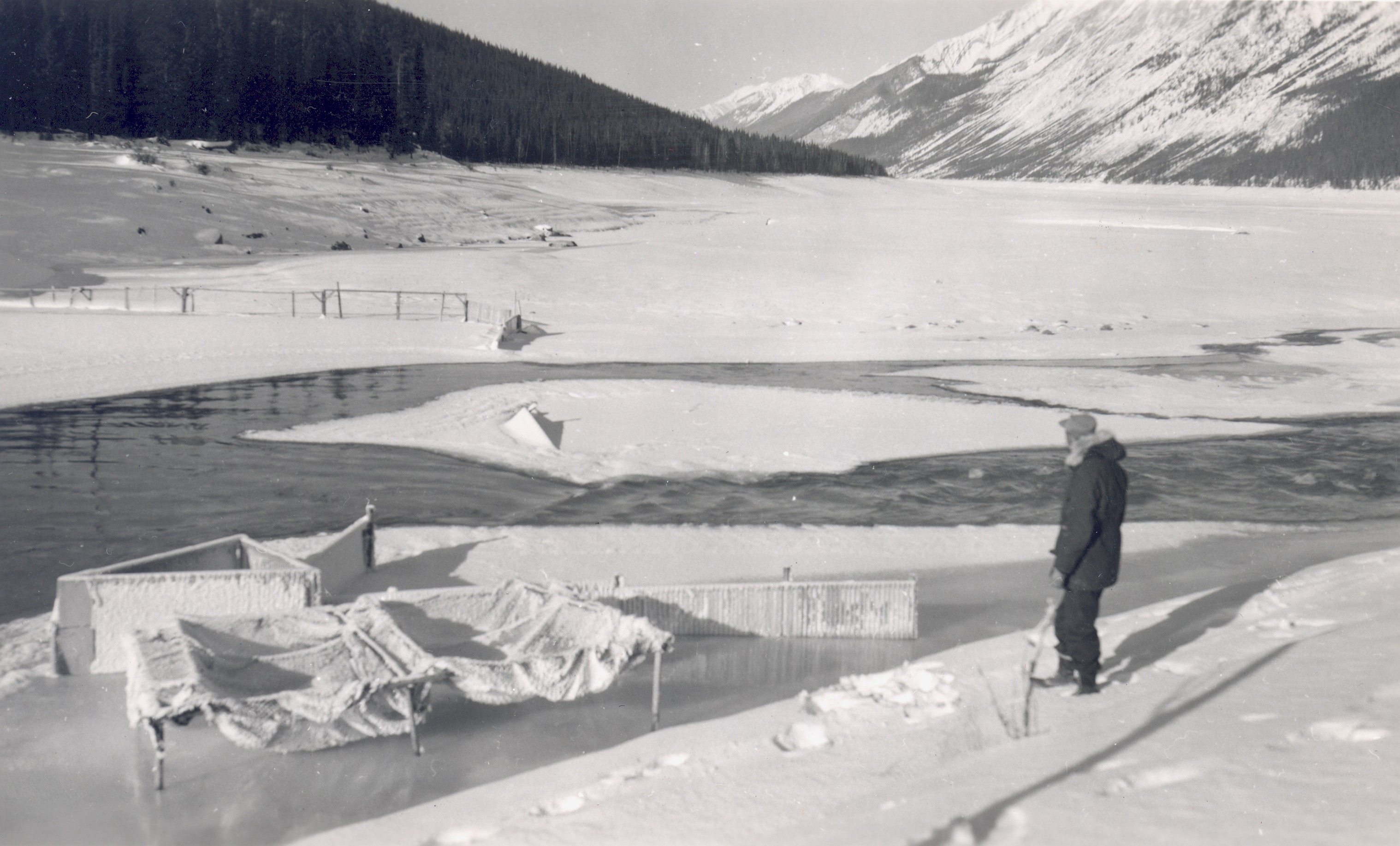
Casting a wider net
Buoyed by this success and struggling to keep up with demand for fish across a growing network of national parks, plans were hatched to expand Jasper’s fish-rearing capacity. In 1939, following a few years of site searching, the location at Sixth Bridge, next to the Maligne River, was selected for its high-quality water and stunning setting. Bill Cable, back in Waterton after a short stint at a Slave Lake hatchery, got the call to move up to Jasper to construct and run the new Jasper Fish Hatchery.
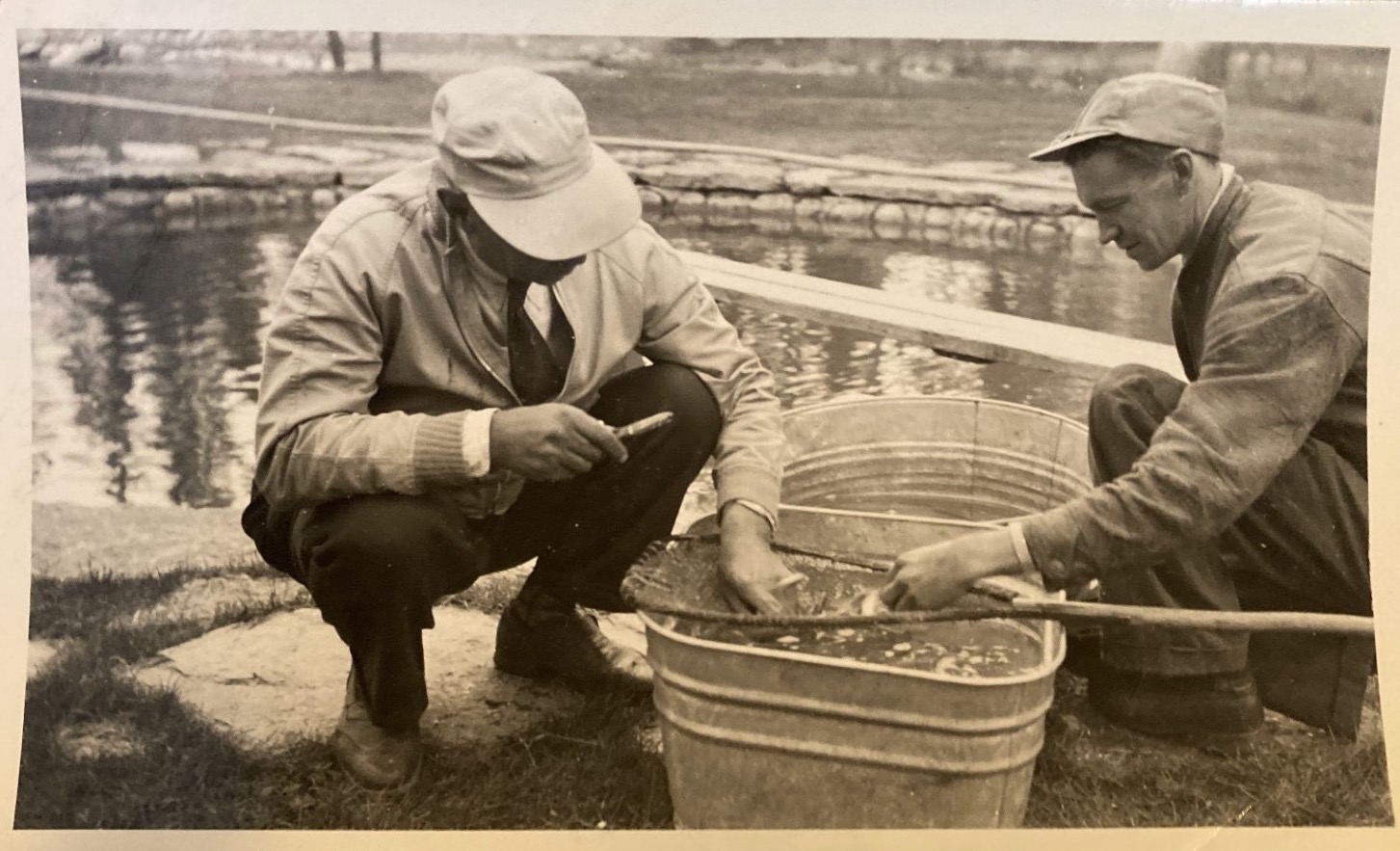
This was a busy time in Jasper. Highway 16 had recently become all-season and the Icefields Parkway had just opened — thousands of visitors travelled to Jasper from every direction to hike, ski, golf, swim and, yes, fish. Bill Cable had a vision for the hatchery that exceeded the functional task set before him by J.M. Wardle, Parks Canada’s engineering director (and the Icefield Parkway’s architect). Cable’s personal passion for fishing and hatcheries convinced him that the Jasper hatchery could become a tourist destination; a place that would not only facilitate recreation but attract visitors—just like Maligne Canyon up the road.
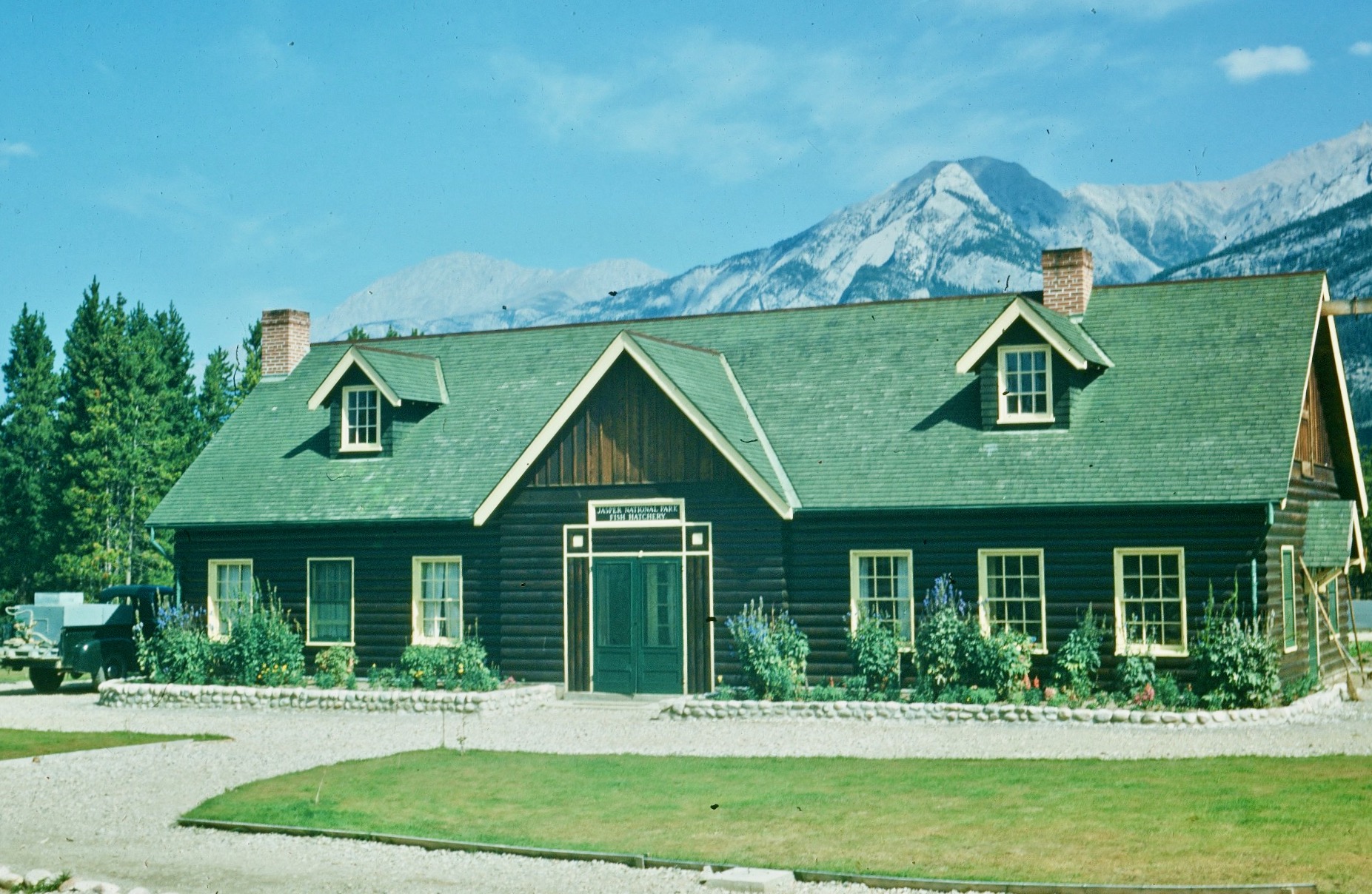
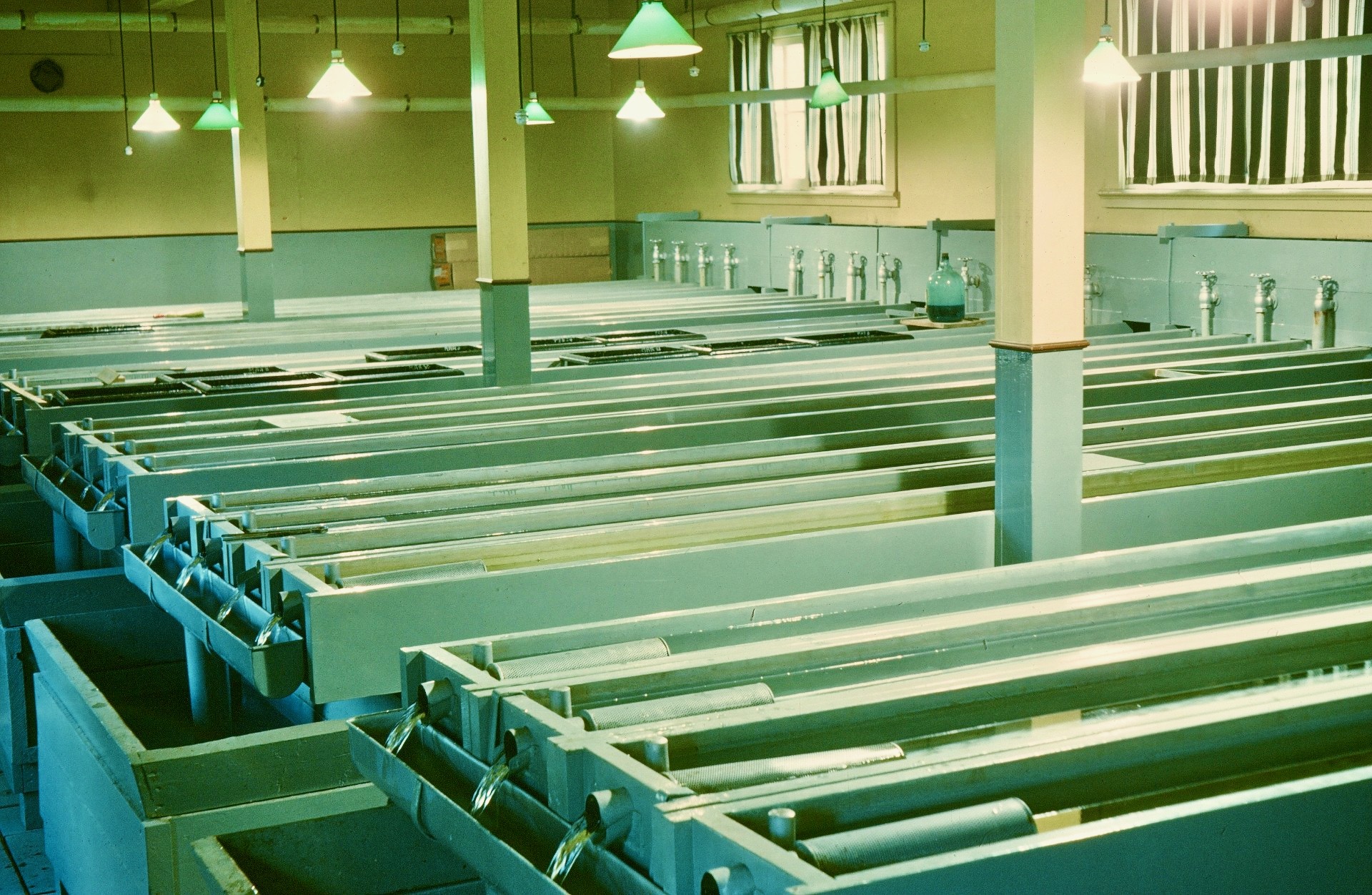
He was not wrong. Ignoring the complaints from Director Wardle, who felt that too much effort and money was being spent to beautify the hatchery grounds, Cable put a skilled crew of Conscientious Objectors—men whose religious convictions prevented them from serving in the Second World War now raging in Europe—to work, building and maintaining the hatchery grounds that would be the envy of national parks across Canada. Opened in 1942, the Jasper Fish Hatchery soon was attracting thousands of visitors, including royals, Hollywood actors, and sports icons. Meanwhile it quietly produced hundreds of thousands of fish each year to stock the lakes across the mountain parks and beyond. Within four years of production, the Jasper Hatchery was producing enough fish to supply all of Jasper and export to other mountain parks.
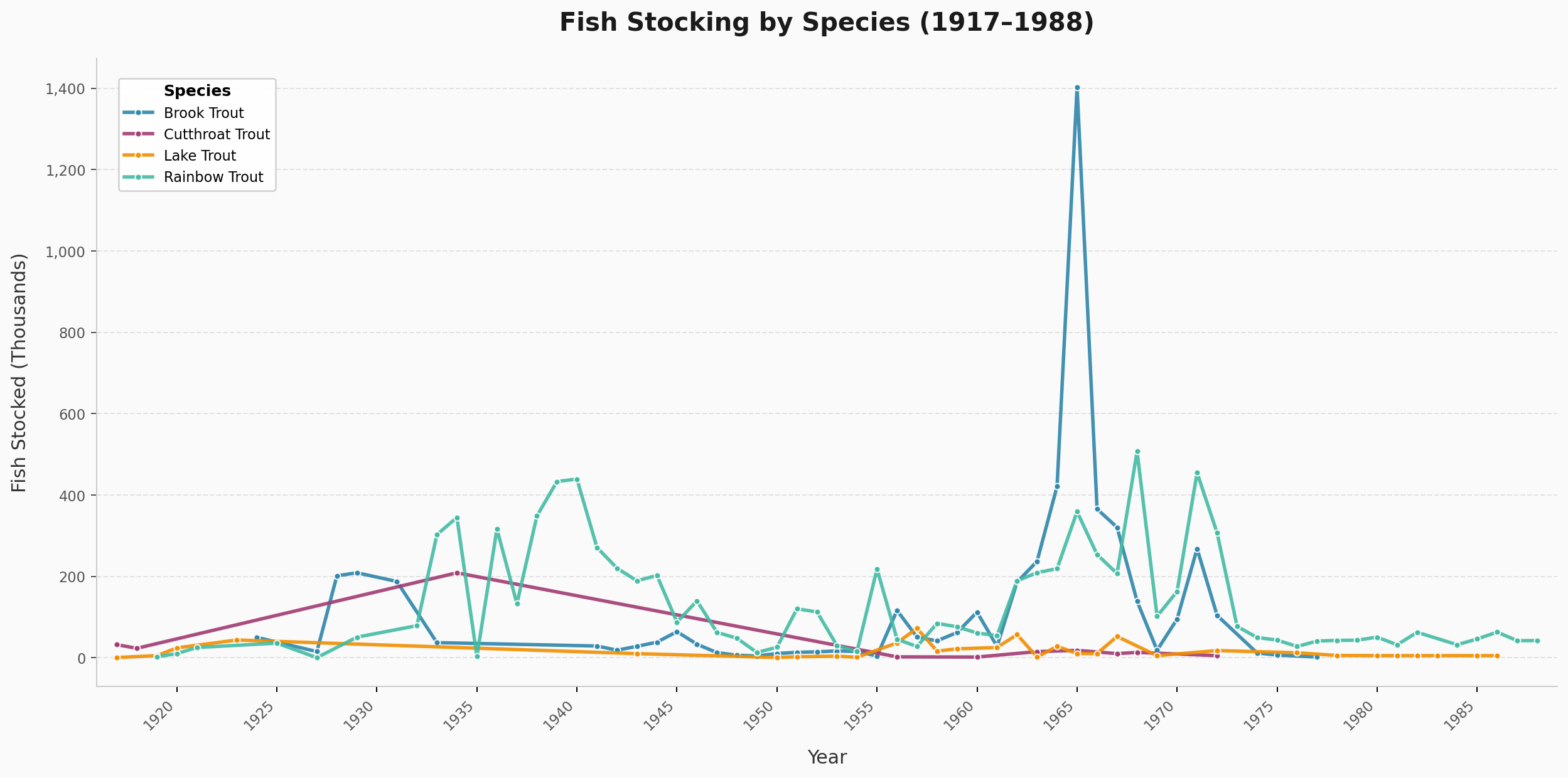
Between 1942 and 1958, the year Bill Cable retired, the Jasper Hatchery released almost 3 million fish into Jasper, raising millions more for export to other parks and lakes across western Canada. They were aided in 1955 by a sub-hatchery, built at Cabin Creek, that operated until 1962 when improvements to the Sixth Bridge facility made it no longer necessary.
Taking stock
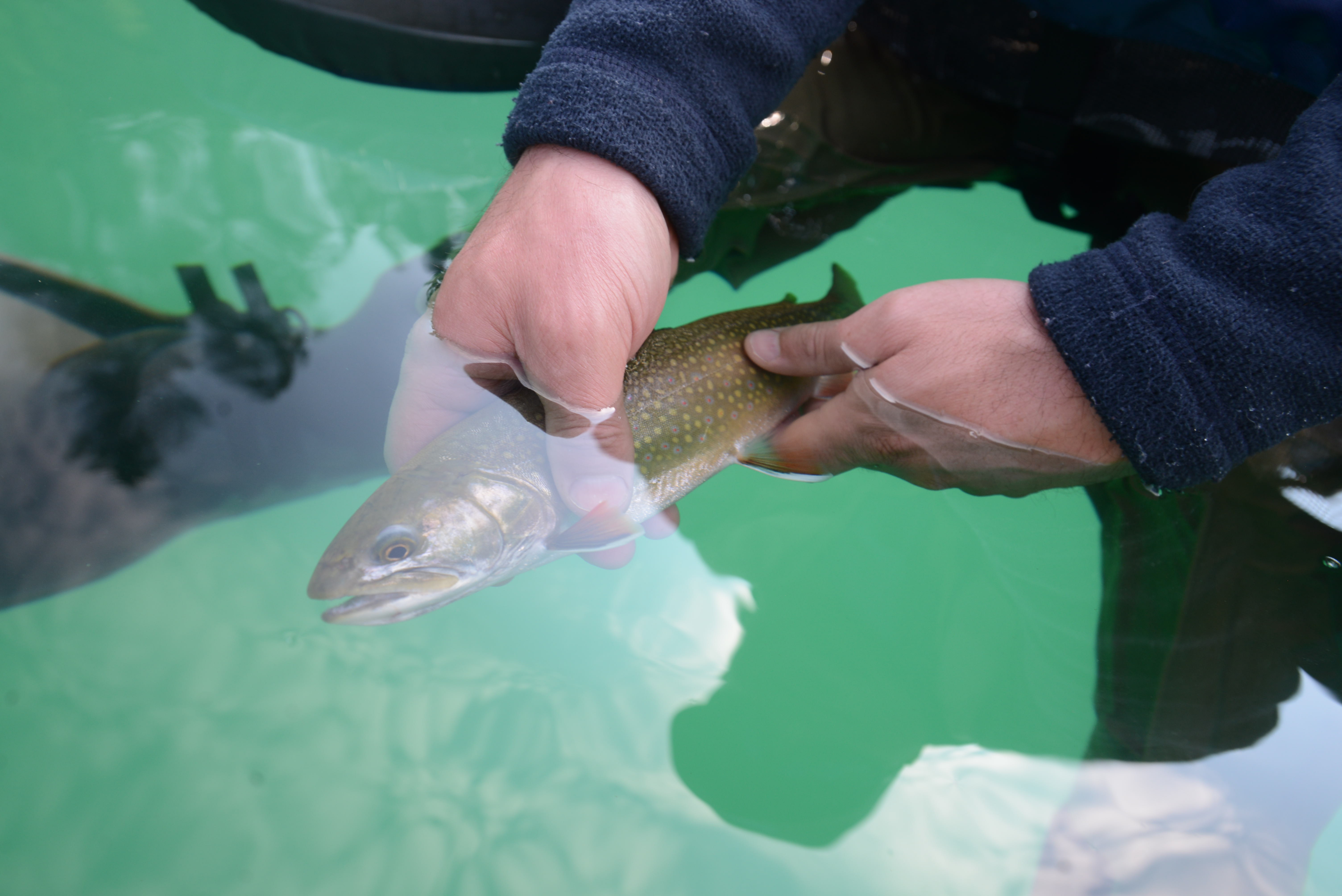
Success and ambition can be a hatchery’s worst enemy. In 1972, pancreatic necrosis, an infectious disease known in crowded fish hatcheries, struck the Jasper facility. All the fish being raised there had to be killed and the following year the Hatchery operation was closed for good. Fish stocking in Jasper continued until 1988 when two things brought it to an end: pancreatic necrosis shuttered the Sam Livingstone Hatchery near Calgary, cutting off Jasper’s remaining source, and the 1988 Park Management Plan questioned the park’s “indiscriminate” stocking, lake poisoning, loss of native species, and sporadic data collection.
The Hatchery was closed to visitors in 1972 and later converted to administration offices and the Warden Operation Centre until the wardens moved to town in 1999. The main hatchery building was demolished in 2016. Today, not even the Superintendents house, built to house Bill Cable and his passions, survives. Its legacy, in the fond memories of locals who spent bucolic summer days enjoying its “embellished premises,” and the many thousands of non-native sport fish in our lakes, remains.
John Wilmshurst // info@thejasperlocal.com