

Reopened after nearly two years of closure following the 2024 wildfire, the beloved Valley of the Five Lakes trail network is once again welcoming hikers into one of Jasper National Park’s most iconic landscapes—although visitors this time will encounter a dramatically changed environment.
On May 23, Parks Canada staff, trail crews, visitors and local residents gathered beneath blackened lodgepole pines and flourishing carpets of fireweed to celebrate the reopening of the popular hiking circuit, where teal lakes now shimmer through a much more open, fire-shaped forest.
Before the wildfire, the Valley of the Five Lakes drew between 500 and 900 visitors a day during peak summer months. But after the fire swept through the area in July 2024, park officials closed the network to assess hazards, monitor ecological recovery and rethink a trail system long plagued by erosion, muddy bottlenecks and confusing navigation.
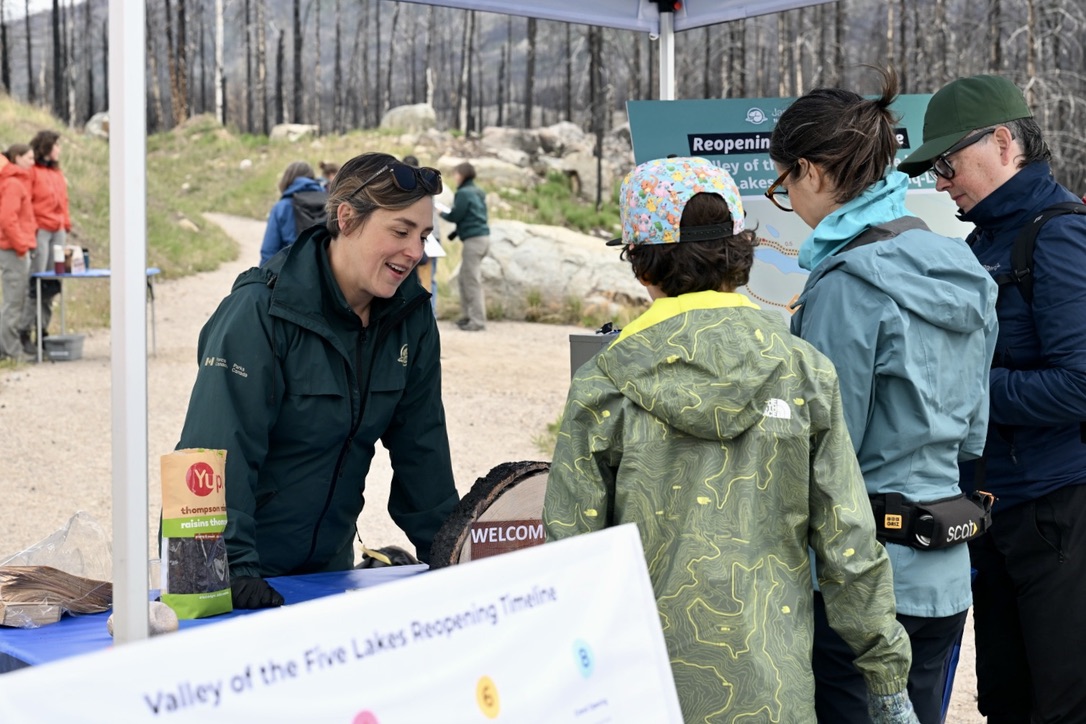
“It really needed that one season where the native vegetation was able to come back,” said Jenn Dubois, senior product development officer with Parks Canada. “We needed to understand what the water was doing post-fire, because the hydrology changed significantly without live vegetation.”
The result is not simply a reopened trail, but a reimagined one.
Visitors will immediately notice new infrastructure throughout the network: elegant boardwalks crossing wetlands, sturdy bridges spanning beaver-fed channels, new benches and picnic tables built from salvaged burned timber, handrails, improved signage and meticulously crafted stone staircases replacing steep, slippery root sections.
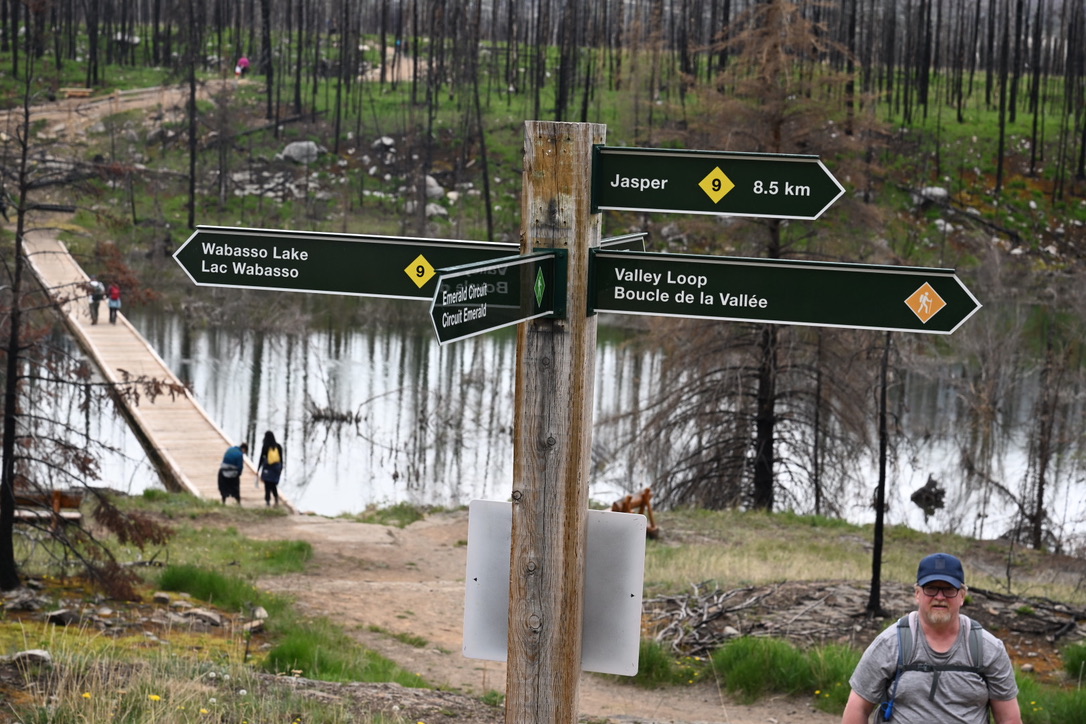
One of the biggest changes comes midway through the circuit, where trail designers rerouted hikers onto a scenic ridge, bypassing a notoriously muddy and heavily eroded section of trail.
“It’s beautiful,” Dubois said. “Lots of new views.”
The rebuilt staircase descending toward the fourth and fifth turquoise lakes may become an attraction in itself. Constructed by Parks Canada mason Nick Moore, the feature blends seamlessly into the landscape while dramatically improving footing for hikers.
Moore sourced massive sandstone boulders exposed after the wildfire opened up previously hidden terrain. The rocks were split using traditional feather-and-wedge techniques before being flown into the site by helicopter.
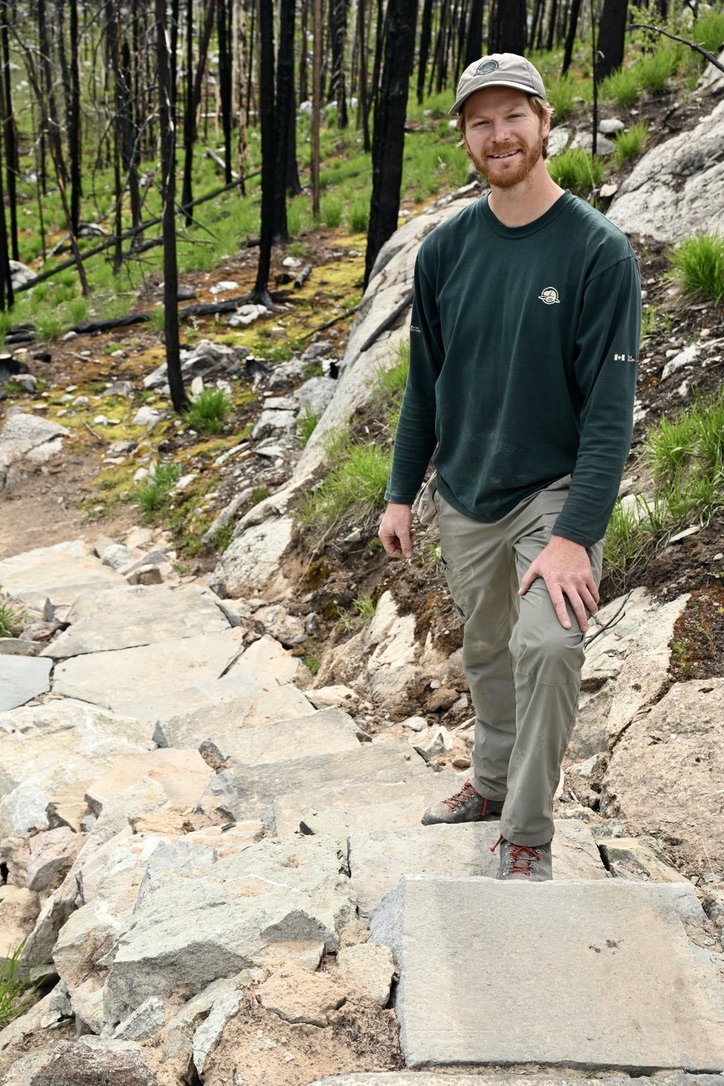
“It’s how they’ve been doing it for a thousand years,” Moore said of the old-school stone-splitting method. “And it still is the best way to do it.”
His goal was to make the descent more forgiving without overengineering the experience.
“I didn’t want to put a handrail in it,” he said. “I tried to make it as forgiving as possible while still keeping the natural feel.”
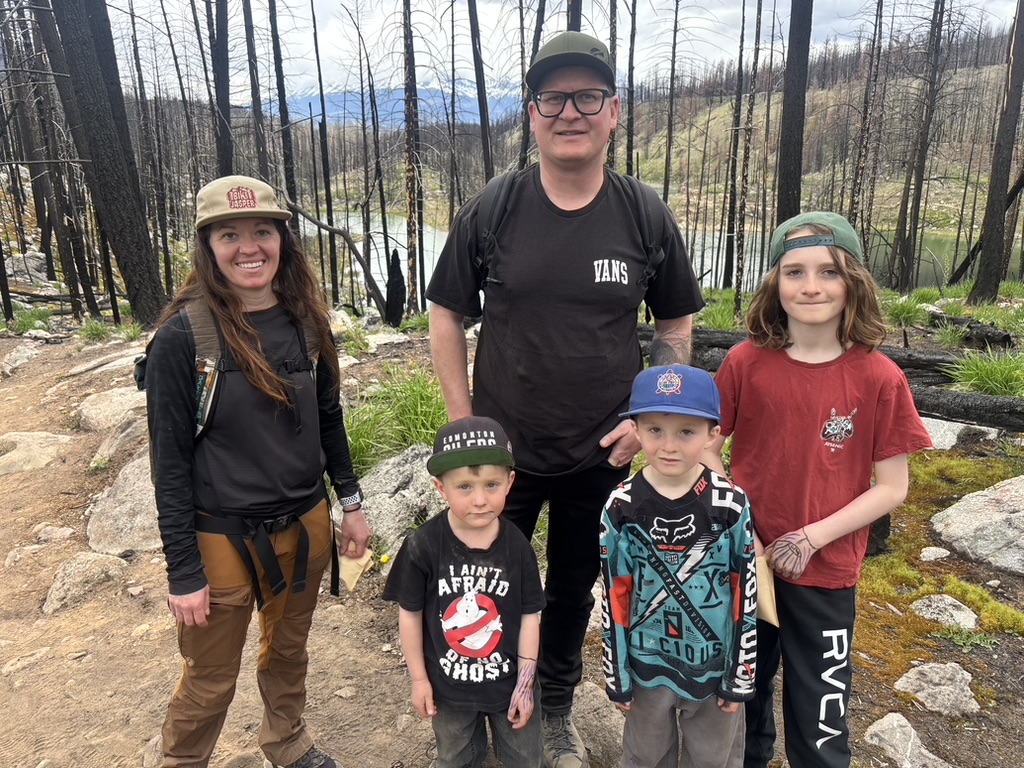
While the reopening marks a milestone for both Parks Canada and those eager to return to a cherished trail, officials are also emphasizing the fragility of the recovering landscape.
The wildfire created ideal conditions for invasive plant species to establish themselves, and much of the surrounding terrain remains under superintendent closure to protect sensitive habitat and allow ecological recovery to continue.
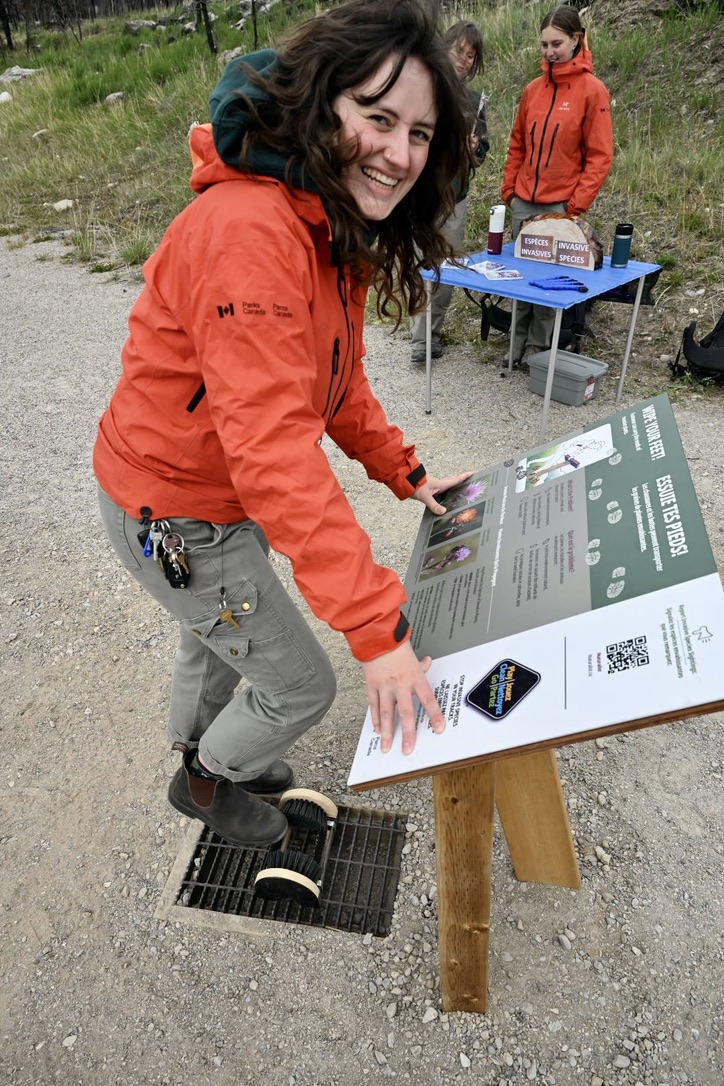
Visitors are being urged to stay on designated trails, brush dirt and seeds from their boots at newly installed cleaning stations and avoid wandering into closed meadow complexes near Buffalo Prairie, where invasive thistle species and vulnerable ground-nesting bird habitat remain concerns.
“This is really an opportunity for non-native species,” Dubois said. “All that bare soil, people walking around, bringing in seeds—it’s something we’re paying really close attention to.”
The Valley of the Five Lakes has long occupied a special place in Jasper’s hiking culture, although its origins stretch back far beyond recreational tourism. Local trail advocate and historian Loni Klettl notes the corridor predates the Icefields Parkway and was once part of an old outfitter and horse-travel route linking the Athabasca Valley to more remote backcountry areas.
Early explorers and outfitters passed nearby long before the lakes became one of Jasper’s signature day hikes. But once the Icefields Parkway opened in 1961, easier access transformed the area into a recreational hotspot for hikers, anglers, picnickers and mountain bikers.
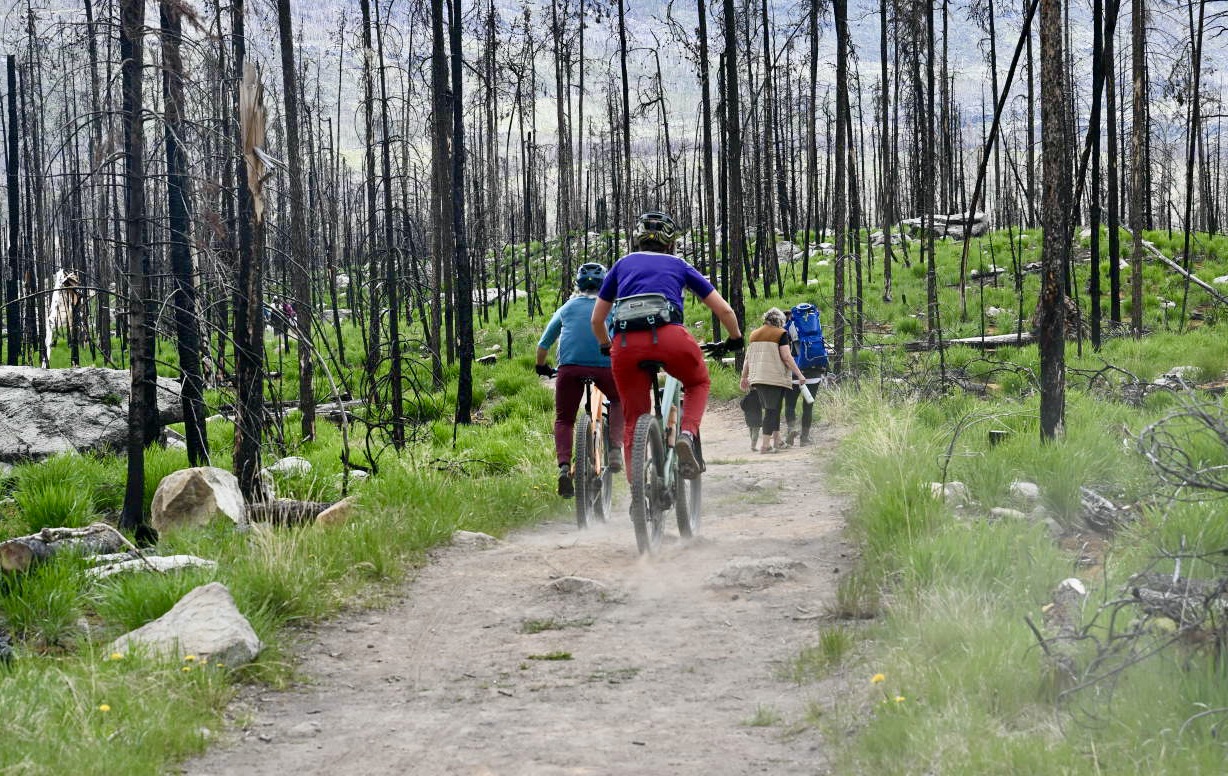
Now, after the most destructive wildfire in Jasper National Park’s recent history, the trail enters yet another chapter.
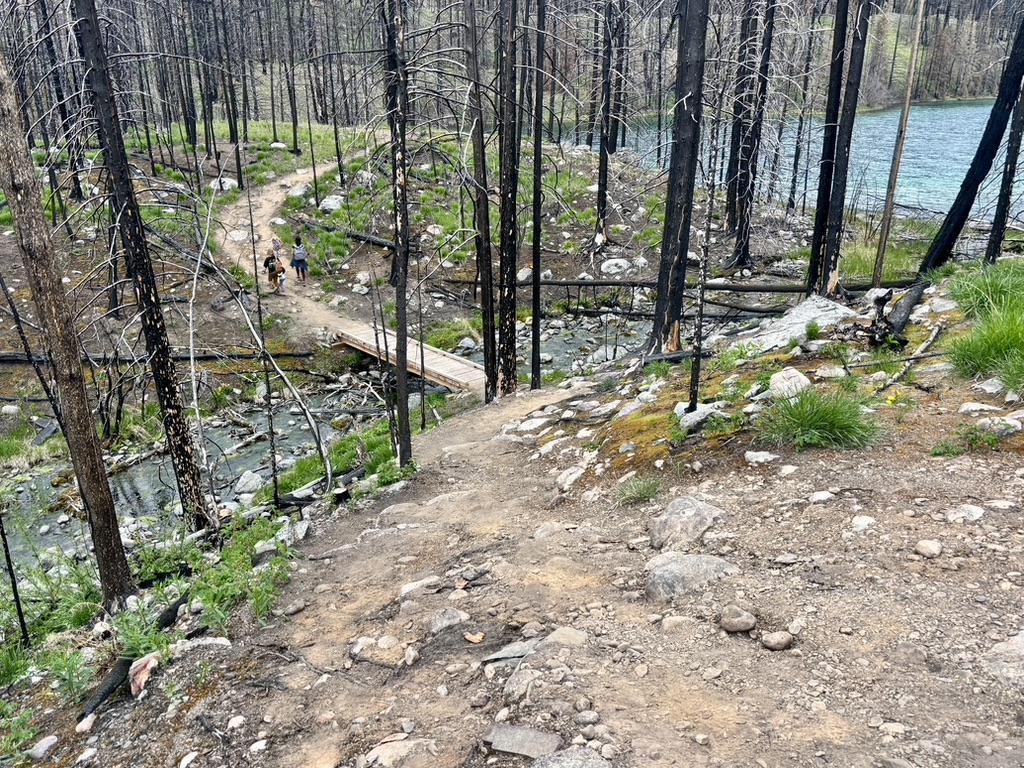
The forest is quieter and more exposed. Sunlight floods slopes once shaded by dense pine stands. Fireweed, grasses and young aspen shoots are reclaiming the burned hillsides.
And through the charred trunks, the five lakes remain as dazzling as ever.
Bob Covey // bob@thejasperlocal.com