

Researchers find first confirmed case in Jasper National Park and fear steep declines without intervention
The discovery of white-nose syndrome in Jasper National Park marks a troubling milestone for wildlife researchers who have spent years preparing for the arrival of the deadly bat disease.
The fungal disease, which has devastated bat populations across North America since it was first detected in New York State in 2006, was confirmed in Jasper’s only known bat hibernation site in March. While scientists say its arrival was expected, the speed with which it reached the Rocky Mountains came as a surprise.
“It’s taken 20 years to get here, but it was inevitable,” said Parks Canada wildlife biologist Nina Veselka. “It was a little surprising how quickly it jumped into the mountains.”
The fungus that causes white-nose syndrome was first detected in Alberta in 2022. By 2024, provincial researchers had begun documenting visible symptoms of the disease in bats elsewhere in the province. Parks Canada had hoped the mountains might slow its advance, but testing this spring confirmed the disease had reached Jasper.
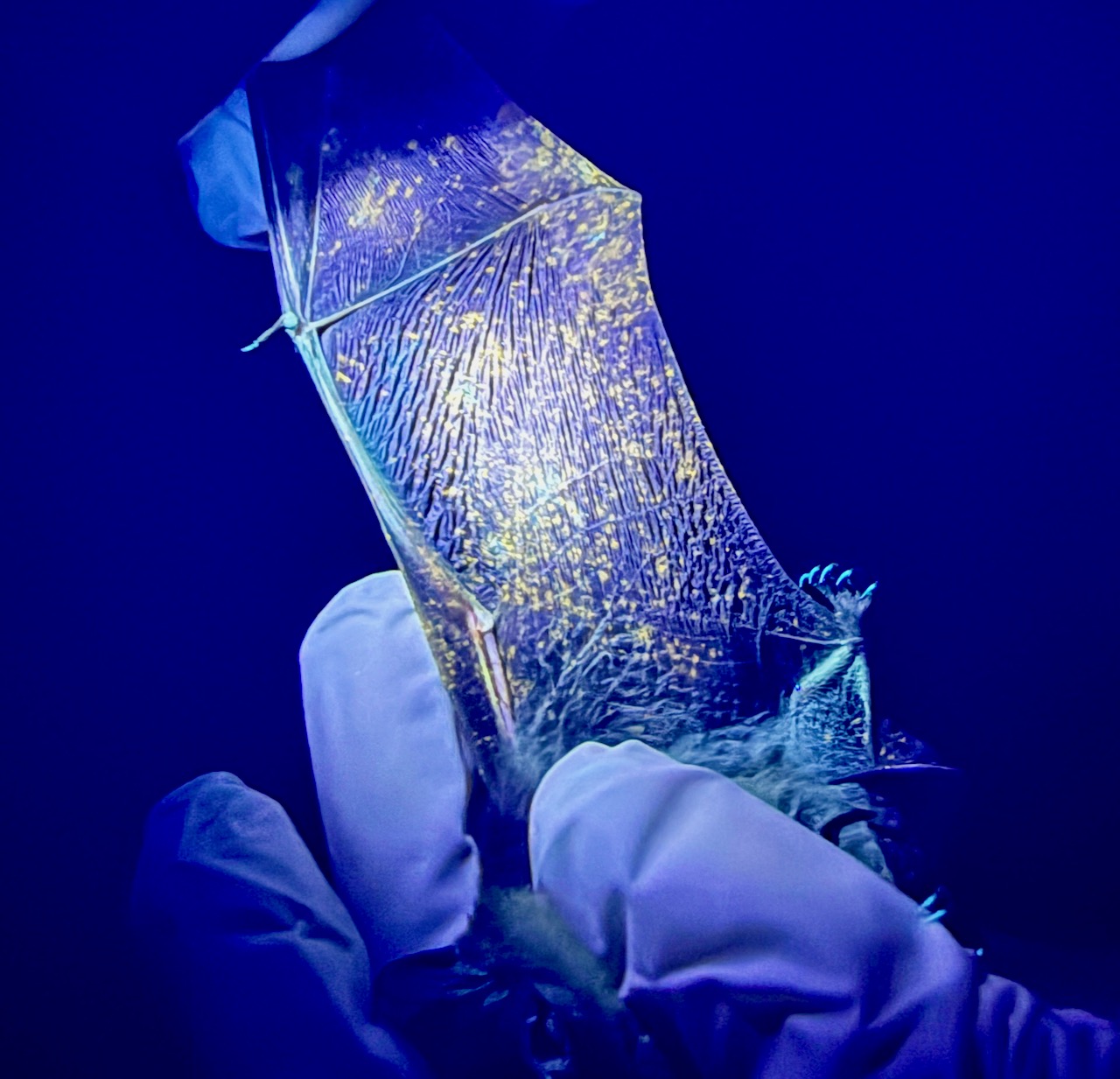
Researchers detected the fungus on several bats during a survey of the park’s only known hibernaculum, a cave where bats gather to overwinter. Some animals displayed the characteristic white fungal growth associated with the disease, while ultraviolet light revealed extensive infections on their wings.
“We picked a few bats off the wall and looked at their wings under fluorescent light and they were glowing,” Veselka said. “It was pretty severe infection.”
Although the total number of bats counted in the cave remained relatively stable—615 this year compared to roughly 650 during the previous survey—the number of dead bats found was dramatically higher.
Since Parks Canada began regularly monitoring the site in 2010, the highest number of dead bats recorded during a survey was 11. In recent years, researchers typically found only three.
This year, they found 69.
“That’s a huge jump,” Veselka said.
The cave, whose location Parks Canada is withholding to discourage disturbance, is considered critically important for bat conservation in Jasper. Despite years of searching, it remains the only confirmed hibernation site known within the national park.
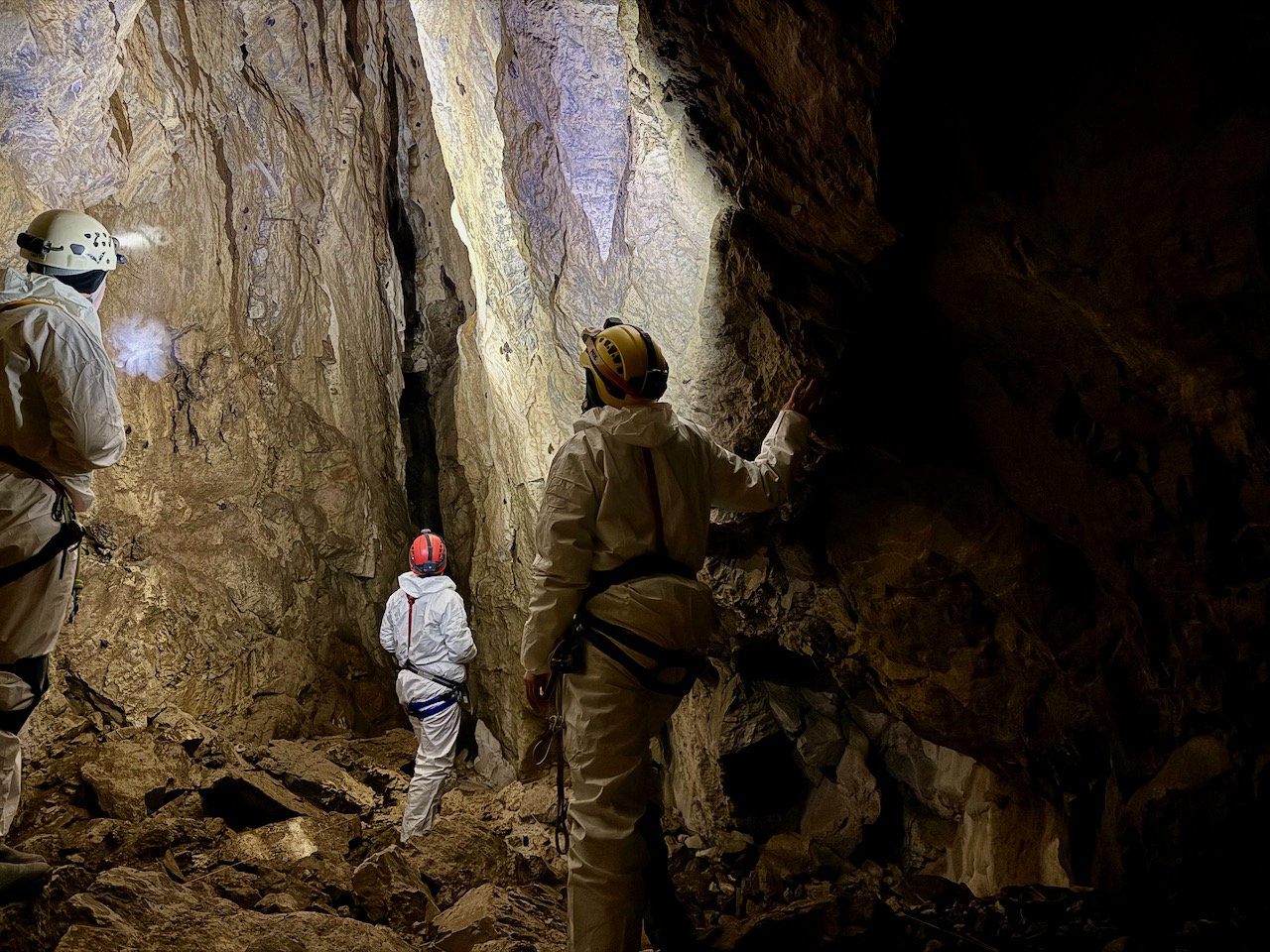
“We only have the one confirmed hibernaculum,” Veselka said. “Protecting this cave and the population within it is very significant for Jasper.”
The disease affects hibernating bats by disrupting their winter torpor, causing them to burn through critical fat reserves before spring. In eastern North America, white-nose syndrome has wiped out 90 to 98 per cent of some bat populations.
Veselka fears the impact in the Rockies could be even more severe.
In eastern Canada and the United States, many hibernation sites contain thousands or even tens of thousands of bats. Even after catastrophic losses, enough animals remain to sustain a population.
Jasper’s colonies are much smaller.
“If we’re starting with a much smaller population size and seeing the same die-off, the impacts are so much more profound,” she said.
Without intervention, some local bat species could disappear from the region altogether.
“We could be looking at extirpation,” Veselka said.
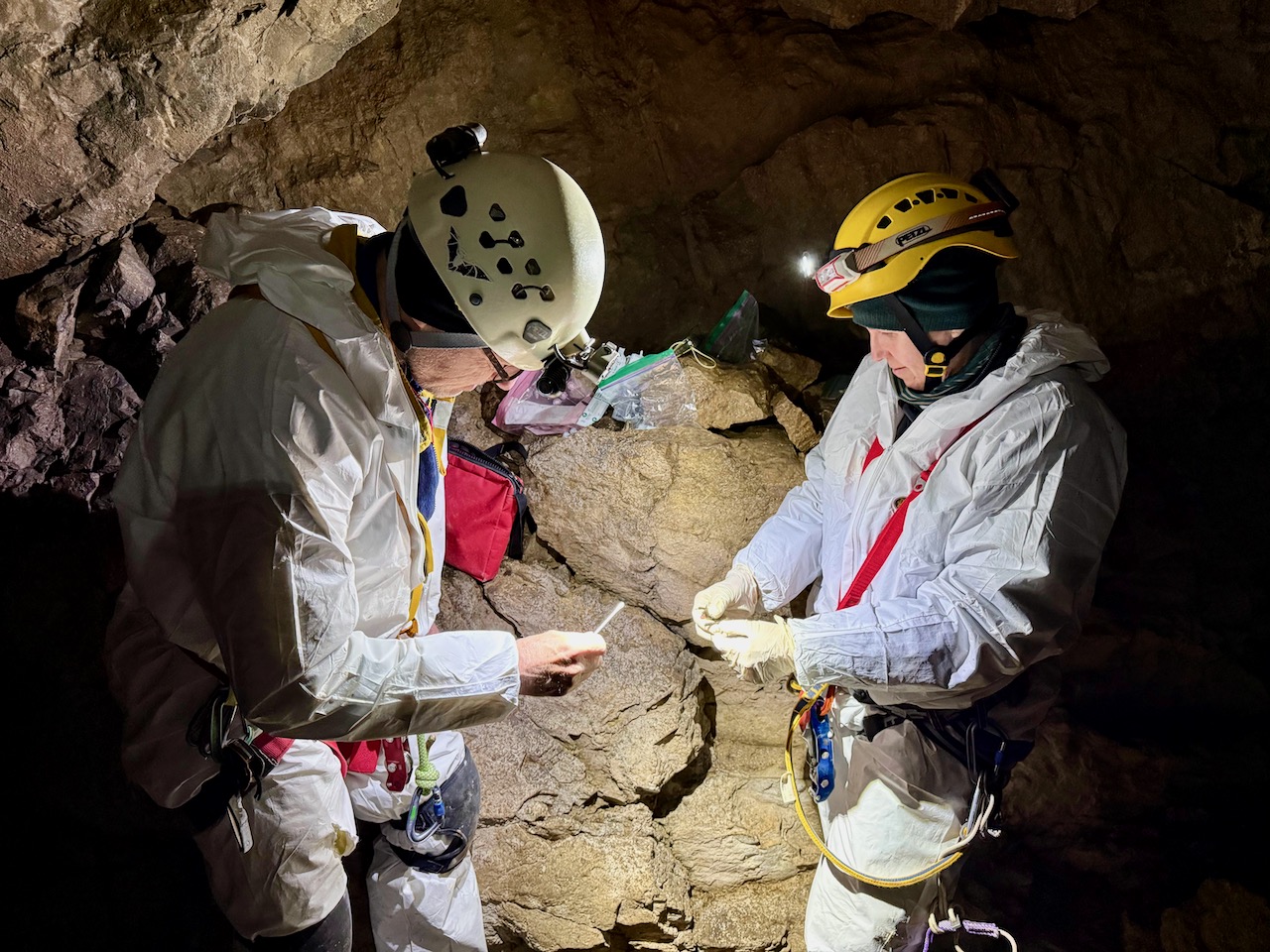
To help prevent that outcome, Parks Canada and its partners have begun applying a probiotic treatment designed to reduce the severity of fungal infections.
Rather than treating caves directly, researchers apply the probiotic to maternity roosts—summer nursery sites where female bats gather to raise their young. As bats return from hibernation and occupy these sites, the beneficial bacteria can spread throughout the colony.
The treatment is being carried out in collaboration with the Wildlife Conservation Society Canada and Alberta Environment and Protected Areas.
While Veselka cautions the probiotic is not a cure, she believes it offers the best chance of helping local bat populations survive the disease.
“This is not some miracle solution to rescue the entire population,” she said. “But it is better than stepping back and doing nothing.”
Parks Canada is asking residents to report bat colonies found in buildings, attics or other structures so researchers can identify additional treatment sites. Members of the public are also urged to stay out of caves and avoid disturbing bats.
Human activity is believed to have played a role in the spread of white-nose syndrome across North America. Researchers suspect people inadvertently introduced the fungus from Europe, where bats have coexisted with it for thousands of years. Today, contaminated clothing, footwear and equipment can transport fungal spores between cave systems, making it important for people to avoid entering bat habitat unnecessarily.
Despite the grim outlook, Veselka hopes public awareness will translate into support for a species she feels is often misunderstood.
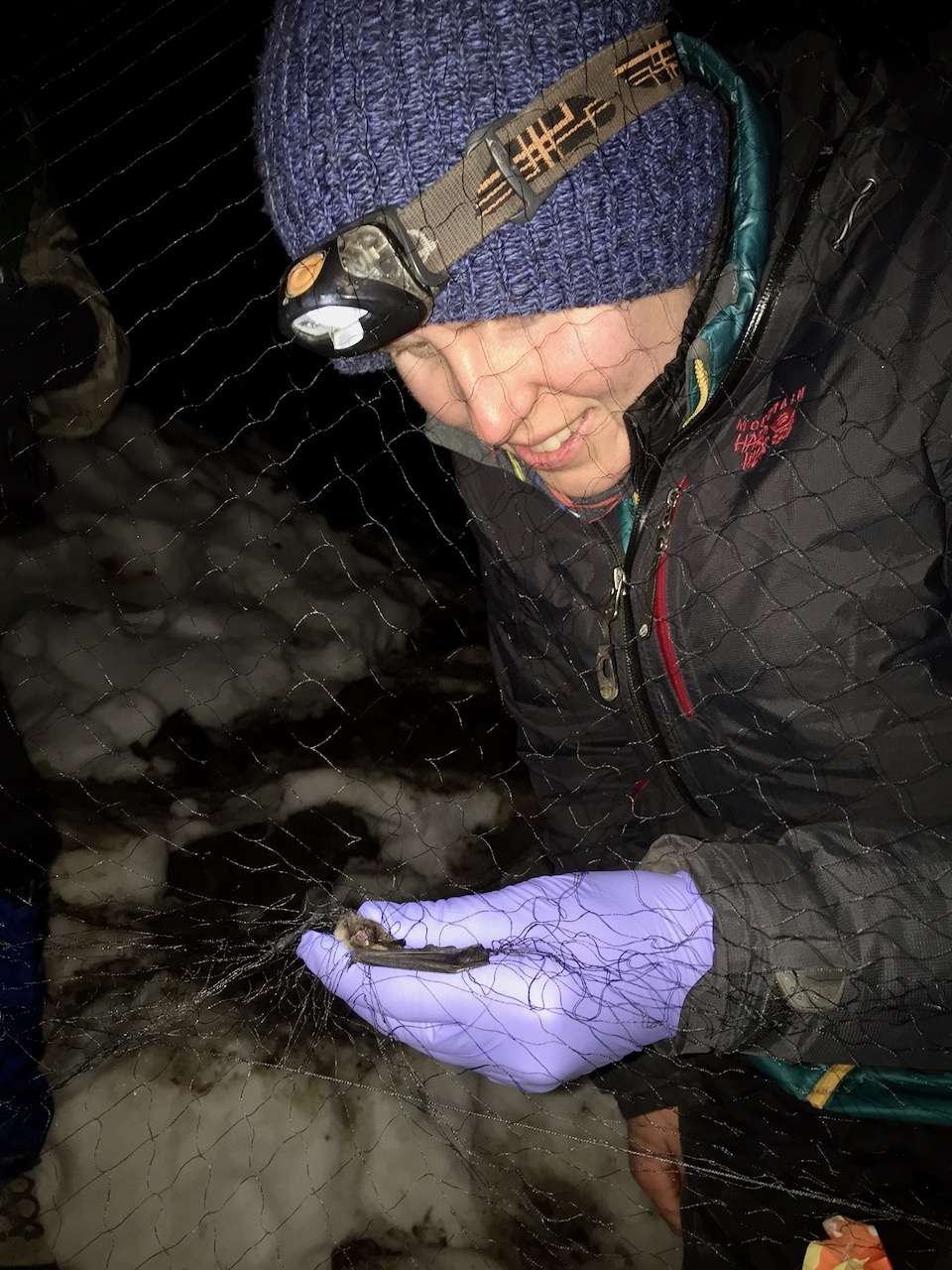
All of Alberta’s bat species feed on insects, consuming thousands each night and helping control mosquitoes and agricultural pests. They are also the only mammals capable of true powered flight.
“They’re pretty cool,” Veselka said.
For now, researchers will continue monitoring Jasper’s bats closely, hoping the measures being taken today can help prevent the worst outcomes tomorrow.
Bob Covey // bob@thejasperlocal.com