

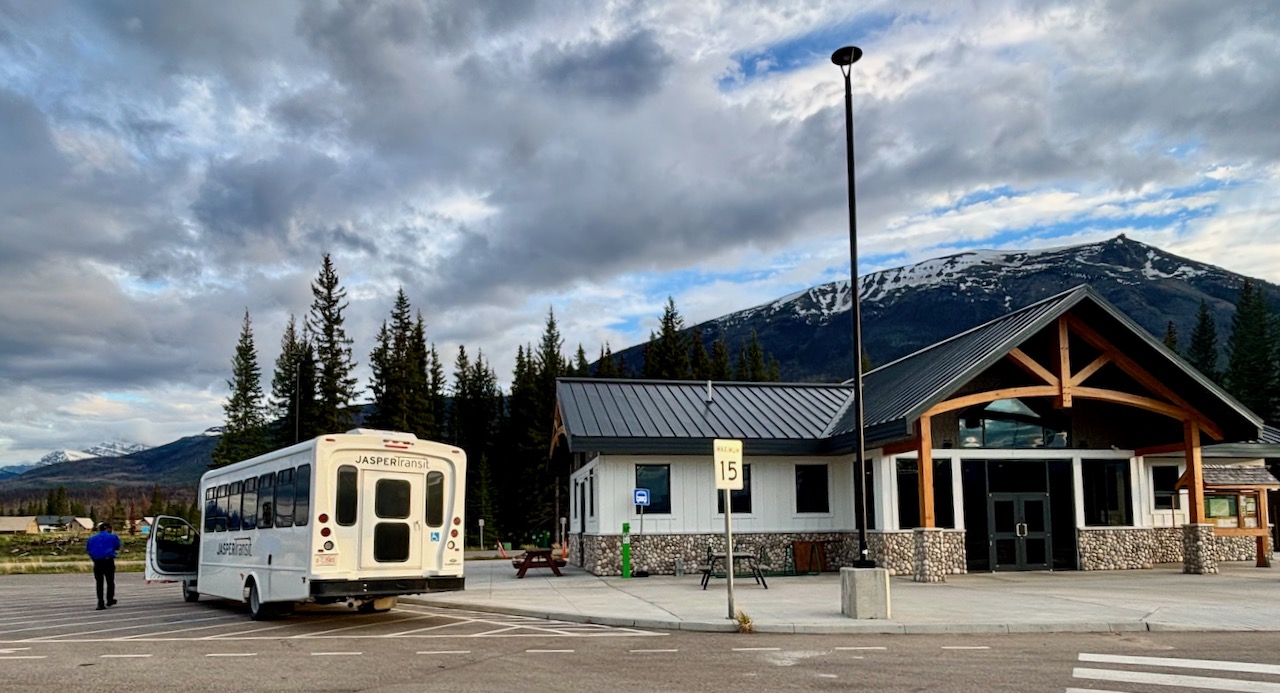
Jasper will see new buses on the road within the next year after council awarded a procurement contract to Dynamic Specialty Vehicles on Tuesday (June 2).
Administration will negotiate the final vehicle quantity and configuration within the approved $2.25-million budget. Under this contract, at least four buses will be supplied, and the vehicles must be delivered by March 31, 2027.
“The service is being built with the needs of the community in mind,” said Coun. Wendy Hall. “I don’t think this is an experiment. I think this is a growing public service that people are using, and the numbers and the data don’t lie.”
Hall was referring to recent transit statistics that showed the first four months of 2026 saw a 65 per cent increase in local ridership compared to the same period last year.
The fleet procurement is funded by a $5-million grant from the federal Rural Transit Solutions Fund, which also financed the transit fleet facility. The Municipality initially planned to buy electric buses but decided to consider other types of buses due to difficulties with procurement.
Coun. Kathleen Waxer said she was a strong proponent of the transit system, and like many new programs, transit would take a while to show its true benefit.
Mayor Richard Ireland also supported this decision, which he said reflects the direction that this council and the previous one had taken with transit.
“It is an experiment in the same way that local government 25 years later is an experiment,” Ireland said.
Coun. Laurie Rodger acknowledged community concerns about investing more into transit but said the Municipality had the option of selling the buses or facility and recouping the losses after five years when the grant agreement ends with the federal government.
“In many respects, we’re going to come out ahead of this no matter what we do,” Rodger said.
CAO Bill Given previously warned that if council decided against procuring a fleet, the Municipality may have to forfeit the grant funding and even give funding back for the fleet facility. It would also continue to pay a higher price for third-party contractors.
Tax rate bylaw
Residential ratepayers won’t get a slight tax reduction this year after all, following changes to external requisitions.
For a residential property assessed at $800,000, a ratepayer will pay $58 more than last year. Under the previous rates, the ratepayer would have paid $287 less.
Natasha Malenchak, director of finance and administration, said increases this year are primarily being driven by requisitions for the Alberta School Foundation Fund and the Evergreens Foundation.
“These are external levies that the Municipality is required to collect and has no control over,” Malenchak said.
She explained that the equalized assessment values that the Province uses now reflect the reduced local assessment caused by the Jasper wildfire, but the Province had also increased the education requestion for 2026.
Another change is the municipal portion of the requisition is lower than what was first presented to council due to the resolution of commercial assessment complaints.
“A contingency amount that was included in the original tax calculations is no longer required, allowing administration to reduce the municipal tax levy,” Malenchak said.
Council gave third and final reading to revised tax rate bylaw.
Policy for parking revenue
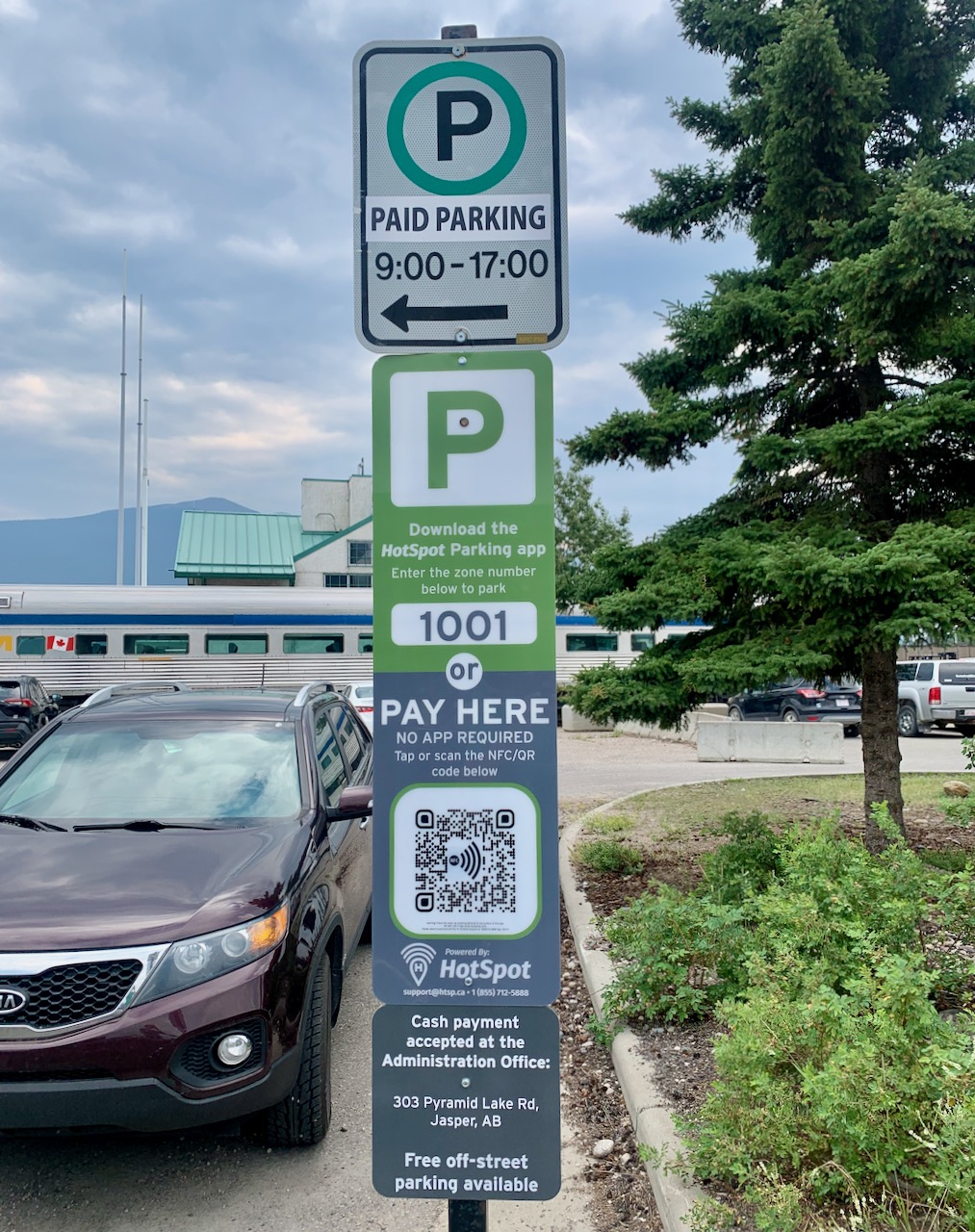
Council approved a new policy that clarifies how the Municipality will spend revenue from visitor paid parking.
Under the policy, this revenue can be used for covering the operating costs of paid parking; supporting transit; reducing the tax burden; debenture payments for recreation infrastructure; and resiliency initiatives related to wildfire, climate change and the economy.
Council also emphasized how the revenue would help offset the impacts that visitors have on municipal infrastructure and services.
“I’m very happy with this policy,” Hall said during last week’s committee of the whole meeting. “It’s going to show residents what the money is intended for, how decisions are made, what it can and cannot fund and how spending will be reported publicly over time.”
The new policy comes after Rodger referred to the way administration presented transit finances in late January as “very misleading,” saying that the municipal subsidy was roughly $300,000 in 2025—not $50,000—when including visitor paid parking revenue. Others council members countered that the funding model was clear.
The policy addresses Rodger’s concern by mandating that all uses of paid parking revenue “shall be clearly identified within the Municipality’s annual budget presented to Council.” Any revenue that exceeds these allocations will be transferred to the financial stabilization reserve.
Peter Shokeir, Local Journalism Initiative // info@thejasperlocal.com