

Jasper has received $380 million in federal funding, primarily through Parks Canada, to support its recovery from the wildfire, according to a new report.
The Jasper Recovery Coordination Centre’s Year 2 Progress Report, which was presented to municipal council during council’s Tuesday (June 23) meeting, detailed the contributions of multiple entities, plus the status of other priorities and objectives.
“It’s easy to focus on what’s left to do, but I think we need to be proud of everything that’s been accomplished,” said Coun. Wendy Hall.
The federal funding included $145 million to support incident response, emergency operations and the early phases of re-entry and recovery; $187 million dedicated for interim housing and rebuilding Parks Canada infrastructure damaged in the fire; and $47.7 million in community supports and granting opportunities.
The Alberta government provided $73.14 million through its Hazard Assistance and Resilience Program (HARP), formerly known as the Disaster Recovery Program, plus more than $32 million through other programs.
Committee of the Whole directed administration to amend the progress report for presentation at a future meeting. Mayor Richard Ireland said the report required changes so the recovery funding could be presented more clearly, noting how provincial funds were detailed in two separate charts that weren’t added up.
“It’s important for our residents to have clarity, and it’s important for council to have clarity about incoming funds that are now supporting our community in this time of need,” he said.
Ireland argued this clarity would, in part, allow the Municipality to give proper recognition to other orders of government and other funders that have come to Jasper’s aid.
Doug Olthof, Jasper’s director of recovery, cautioned that any significant changes will require Parks Canada’s approval, since the agency helped author the report. This may prevent the report from coming out in time for the second anniversary of the wildfire on July 22.
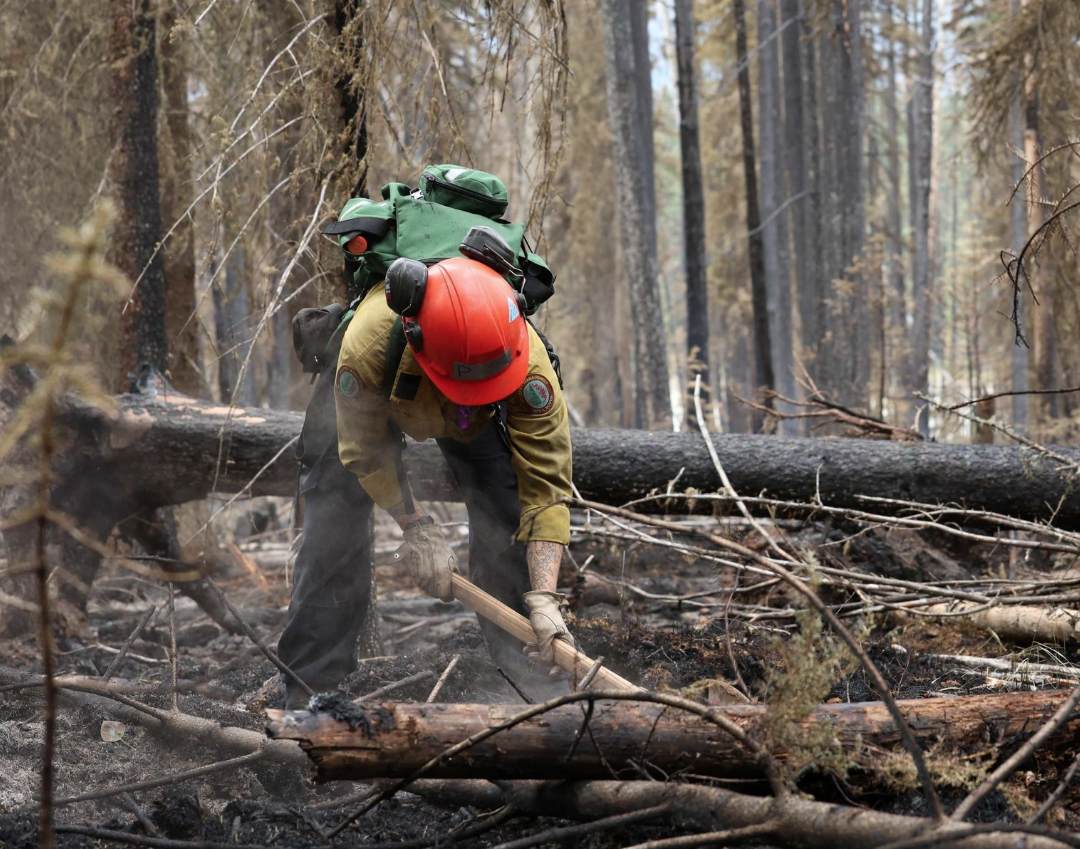
Ireland asked if the $19.6 million that the federal government gave to the Province for its role in wildfire response should lower the provincial contribution.
In addition, he wondered if the Municipality would be exempt from having to pay 10 per cent of that money back, which it’s normally required to do for provincial recovery funding.
Olthof said administration would need to write another report delving into both subjects.
Ireland also asked if the $11 million from the federal Municipal Housing Accelerator Fund (HAF) should be included, since other municipalities not affected by disasters also get money from this fund.
CAO Bill Given replied that Jasper received the highest amount of HAF funding per capita last year, noting how Jasper has received additional consideration under existing programs.
“A Jasper application has risen to the top of the pile because of the wildfire,” Given said.
Coun. Ralph Melnyk highlighted how the Canadian Red Cross gave more than $12 million, which was matched by the provincial and federal government for a total of $36 million.
“Canadians and other donors have helped to contribute to our recovery,” Melnyk said.
Other report highlights
For debris management, 99 per cent of wildfire-impacted properties have had their debris removed, with 95 per cent having received certificates of completion.
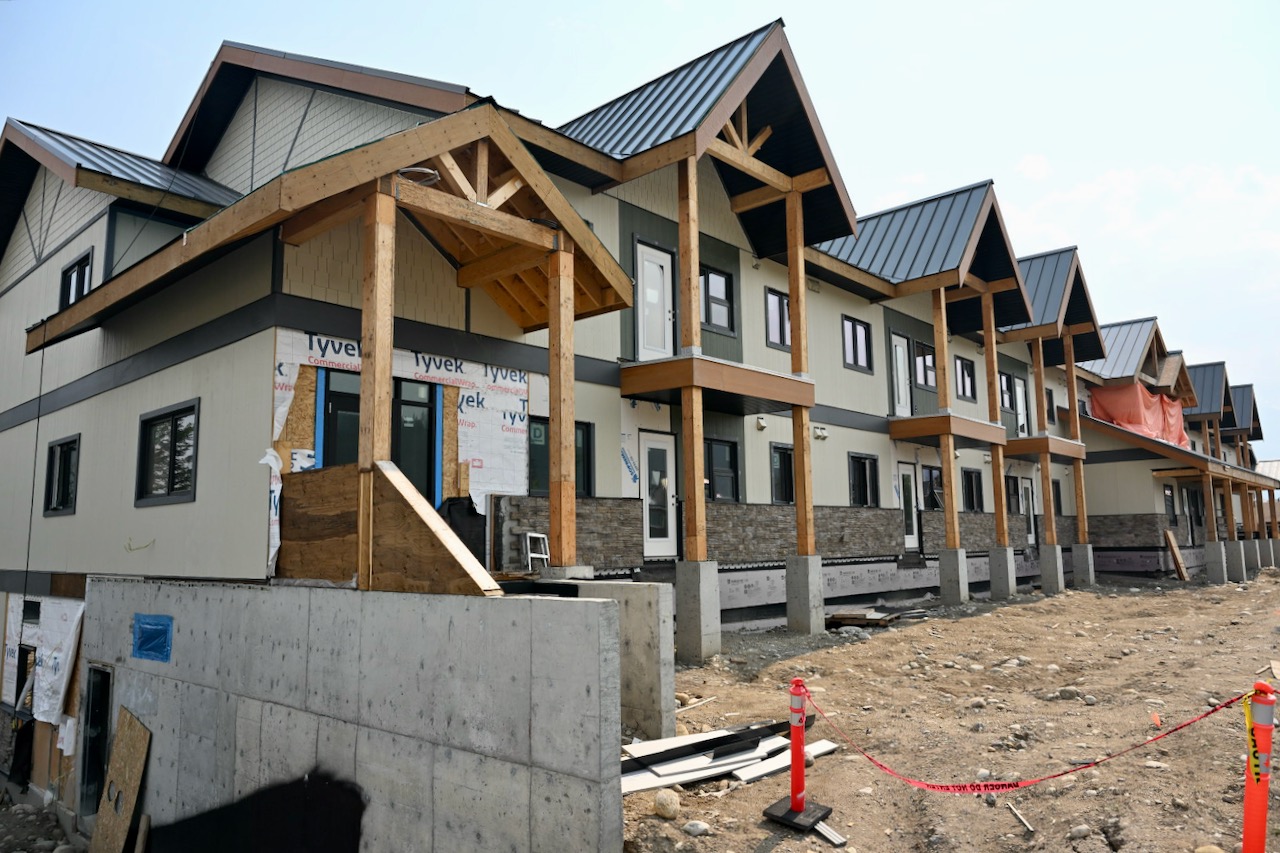
More than 760 residents, or 416 households, are living in interim housing as of June 2026. The program now has 505 units across multiple sites and housing employees from about 110 Jasper businesses, supporting workforce retention.
On rebuilding, Parks Canada has approved 160 building permits representing 353 dwelling units. Olthof also highlighted Housing Action Plan amendments and the ongoing construction of the Jasper Municipal Housing Corporation’s 40-unit below-market housing project.
The report also provided details on economic recovery, social recovery and park recovery, such as the reopening of the Valley of the Five Lakes Trail.
Peter Shokeir, Local Journalism Initiative // info@thejasperlocal.com