

A proposed Alberta oil pipeline would pass through Jasper National Park, reviving questions about industrial development in one of Canada’s most protected landscapes.
According to Alberta’s submission to the federal Major Projects Office, roughly seven per cent of the West Coast Oil Pipeline would pass through the park while transporting more than one million barrels of oil per day.
The submission does not specify what infrastructure would be required inside the park, but says temporary or permanent access roads may need to connect to municipal road networks near Jasper.
Alberta Energy and Minerals did not immediately respond to a request for comment regarding how the province would address environmental concerns or what would be required to build a pipeline through a federally protected area.
In order to consider listing the pipeline as a project of national interest, which would streamline federal approval processes, the Major Projects Office is expected to conduct initial outreach and engagement with Indigenous groups.
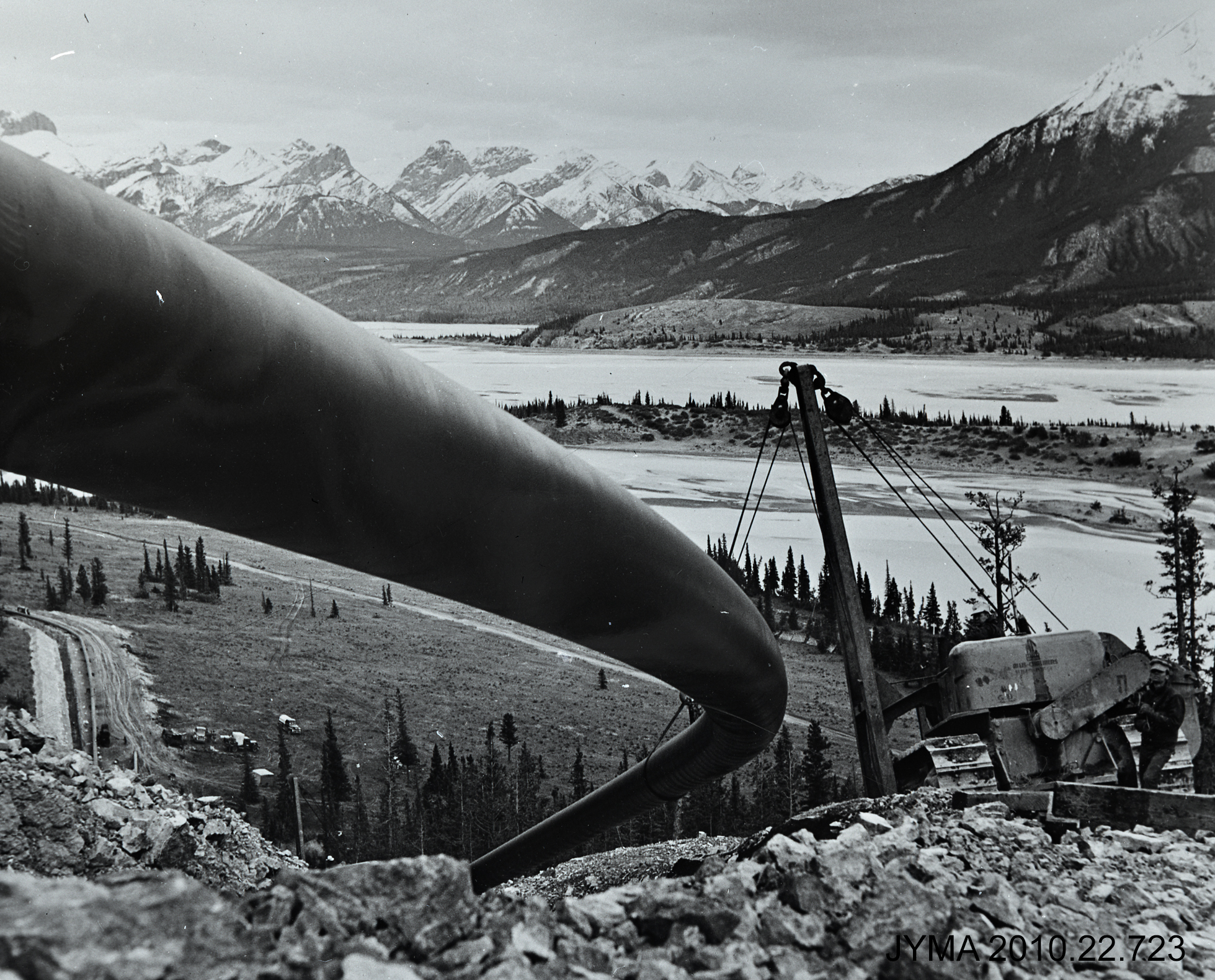
Parks Canada referred questions to the Privy Council Office, which provides advice to the prime minister and cabinet. Pierre Cuguen, spokesperson for the Privy Council Office, said in an email that the pipeline route has not yet been finalized and will continue to be developed through the next stages of the project.
“Regardless of the route, the West Coast Oil Pipeline proposed project would still undergo a regulatory review, including impact assessments, as well as Crown consultations with potentially impacted Indigenous communities,” he said.
Cuguen added how this would ensure “specific technical conditions” were developed to mitigate project effects, “including measures to protect the environment and Indigenous rights, and where appropriate, accommodation measures for Indigenous Peoples.”
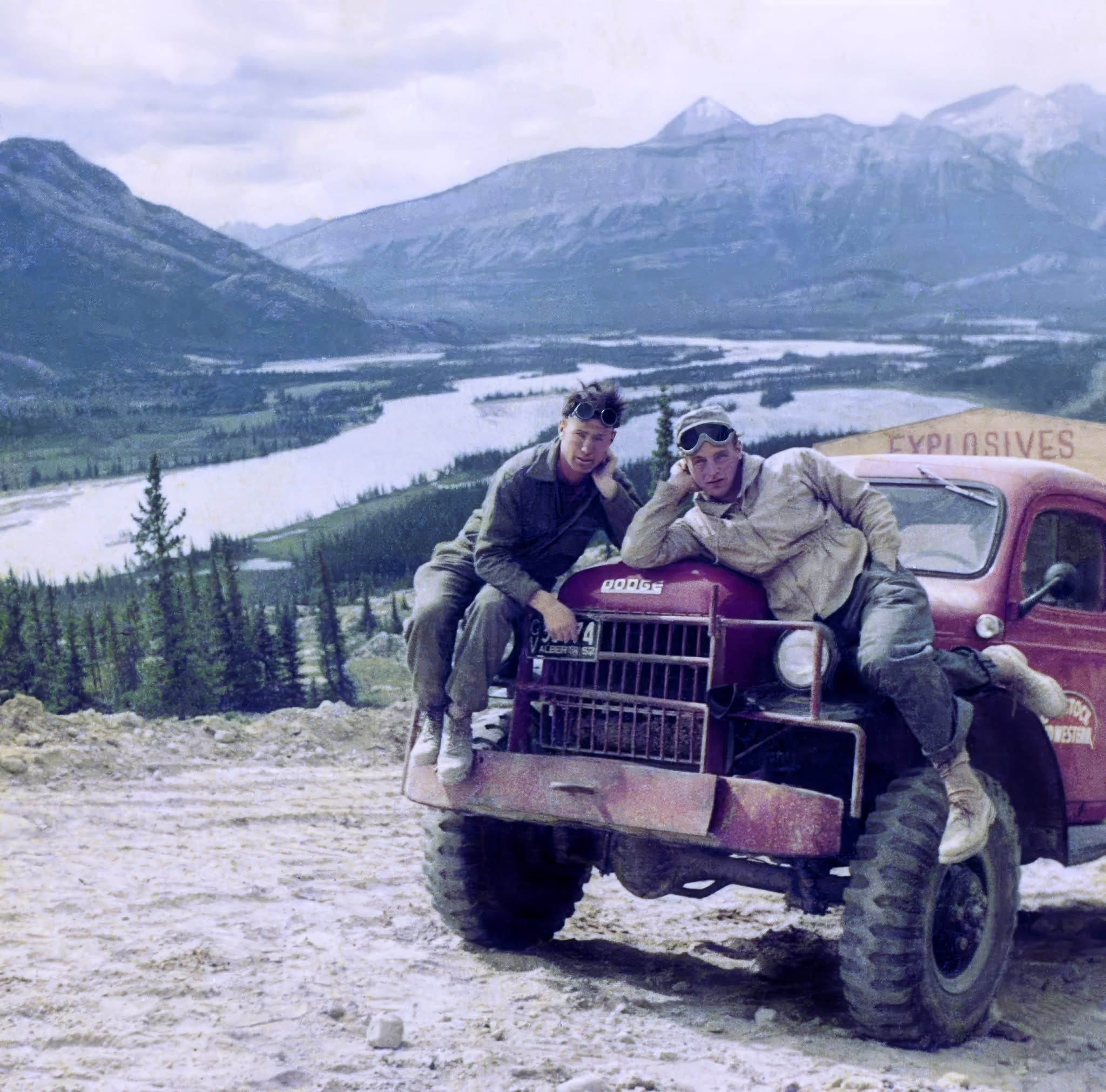
Kecia Kerr, executive director of Canadian Parks and Wilderness Society Northern Alberta, said the proposed pipeline route was better for nature in Alberta than the alternative northern route that would have crossed through more caribou habitat.
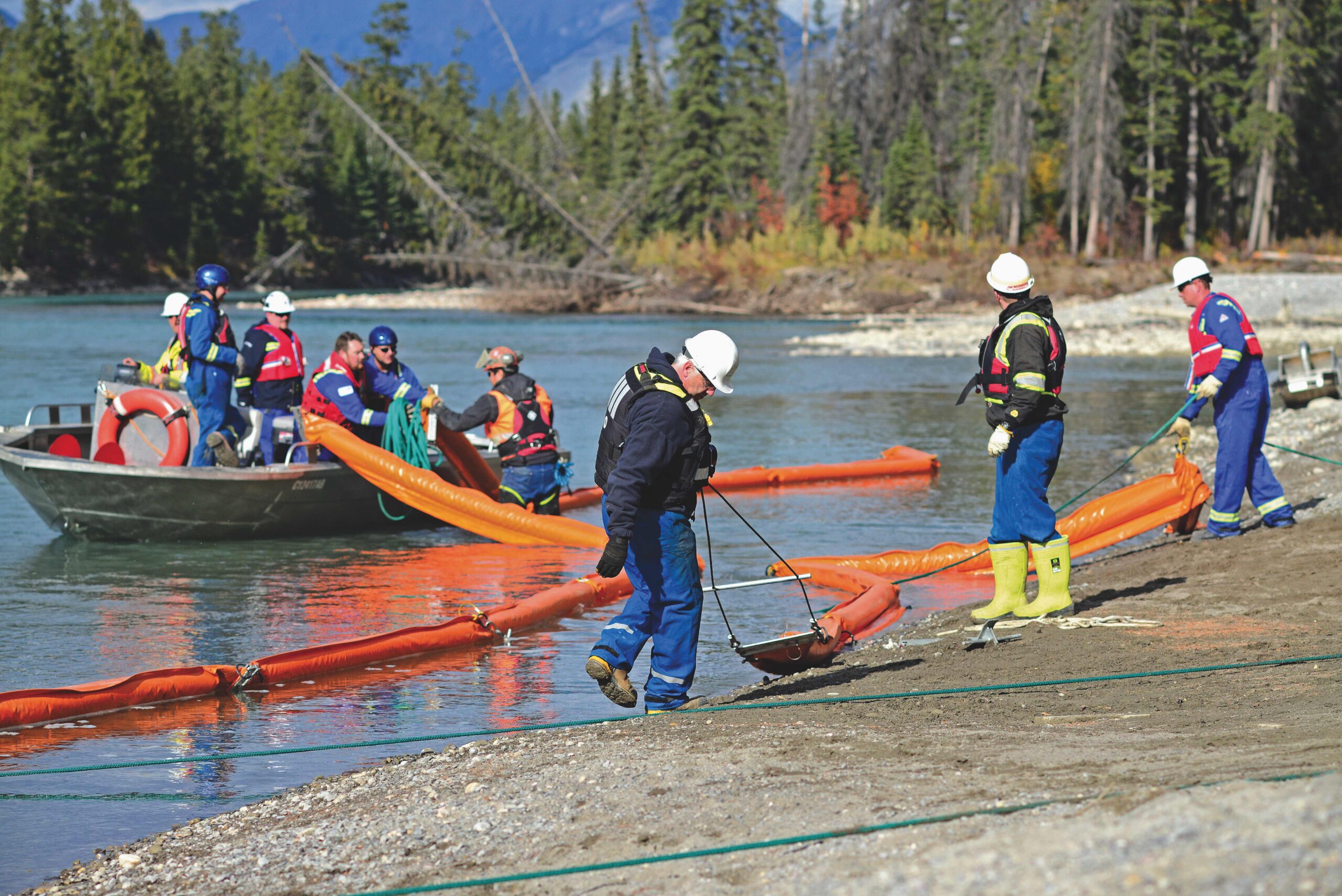
“Of course, any new pipeline is going to bring new risk of spills,” Kerr said, adding there would be an impact from new disturbances.
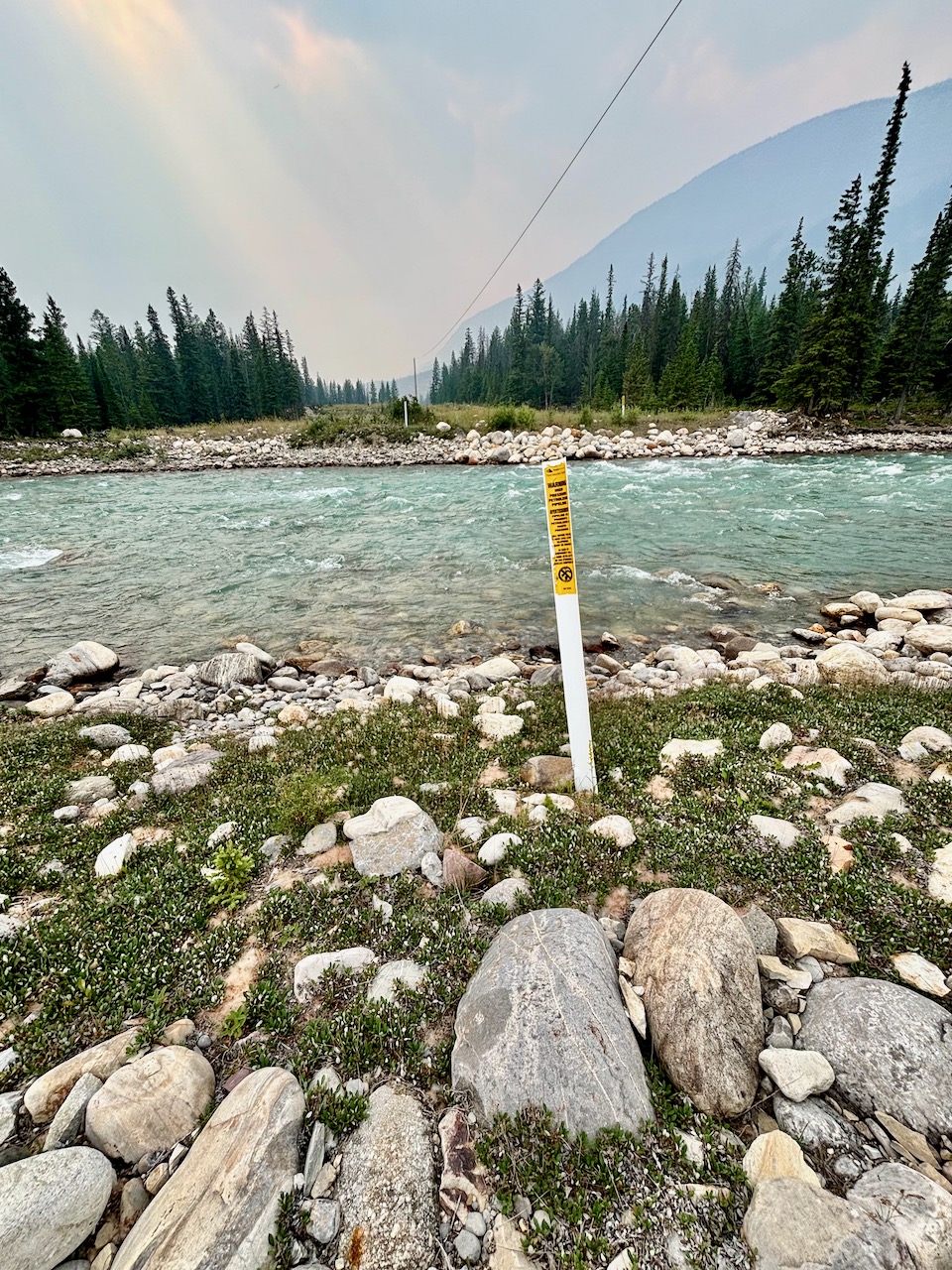
The Canadian Energy Regulator stated in an email that there have been no leaks or spills on the existing Trans Mountain pipeline in Jasper National Park since the CER’s pipeline incident data was digitaized in 2010.
According to the Canadian Energy Regulator’s website, the Trans Mountain Pipeline has reported a total of 17 incidents since 2008 that have resulted in some volume of product being released, with crude oil (sweet) being the most commonly released substance.
Historically, there have been six other incidents in the Jasper area:
—April 1966: pipeline rupture of 6,000 to 7,000 barrels of oil including around 10 barrels
released into the Miette River
—June 1973: pipeline rupture resulting in about 800 barrels, some released into the
Athabasca River
—June 1985: mist from a cracked cooling line released at the Jasper Pump Station
—May 1992: around 270 gallons of aviation fuel released during a helicopter fuelling
operation
—February 1994: around 3,700 litres released from a pump station
—September 1995: around 1,000 litres of crude oil released from a pin hole leak at a pump
station
Paul Butler, executive director of the Jasper Park Chamber of Commerce, said the expansion of the existing Trans Mountain line nearly two decades ago created a temporary boom for local hotels and restaurants, but “came with a combination of challenge and opportunity for the business community.”
“While that loop was being put through Jasper, it was like we had another industry in town,” Butler said. “It created economic opportunity, for sure, particularly for the visitor accommodation sector and for the food service sector.”
Simultaneously, the project caused “compression” due to crews occupying hotel rooms normally meant for tourists, although Butler suspected any recent capacity issues caused by the Jasper wildfire would be resolved by the time construction on the new pipeline potentially begins.
Butler said he hoped to learn more about the size of the workforce and have advanced discussions about how they can be accommodated.
As for environmental concerns, he expressed confidence in the federal government to protect Jasper National Park’s natural resources.
Kerr’s bigger concern was the impact that the pipeline and associated increase in oil tanker traffic would have on southern resident orcas and chinook salmon.
The federal government has also released a discussion paper that proposes legislative changes that would exempt specific projects from the jeopardy test. Kerr said this would allow the West Coast pipeline to be built without consideration for the orcas.
These changes would also allow for the creation of special economic zones to cover areas such as transportation corridors, telecommunications networks, energy production and transmission, and industrial regions.
According to the discussion paper, setting up these zones ahead of major developments would remove the need for separate project reviews. Kerr said she was unsure what the implications could be for national parks such as Jasper.
“Is Jasper going to have a corridor going through it that’s considered a special economic zone where environmental regulations are going to be much reduced or exempt?” she asked.
Peter Shokeir, Local Journalism Initiative // info@thejasperlocal.com
With files from Bob Covey // bob@thejasperlocal.com