

Yellowhead MP says frontline services should be protected as agency prepares to reduce workforce by approximately 500 positions nationally
Yellowhead MP William Stevenson is pressing the federal government to reconsider planned Parks Canada workforce reductions.
The Carstairs, AB-based farmer and accountant has also been speaking out against Parks Canada’s cancellation of the search-and-rescue dog-handler program in Banff National Park, arguing the agency is being asked to serve more visitors with fewer employees.
Stevenson said he has yet to receive any commitments or substantive answers from the government about where the reductions will fall or how they could affect national parks in his riding.
“We’ve got nothing,” Stevenson told The Jasper Local in a Nov. 25 interview. “They haven’t even acknowledged our requests on anything.”
Stevenson said he raised the issue with Parks Canada acting CEO Andrew Campbell at an Ottawa event shortly after the agency announced its workforce adjustments. Campbell told him the agency intended to rely on retirements and attrition to help meet its reduction targets, but couldn’t provide specifics about where cuts would occur or when employees would learn their fate.
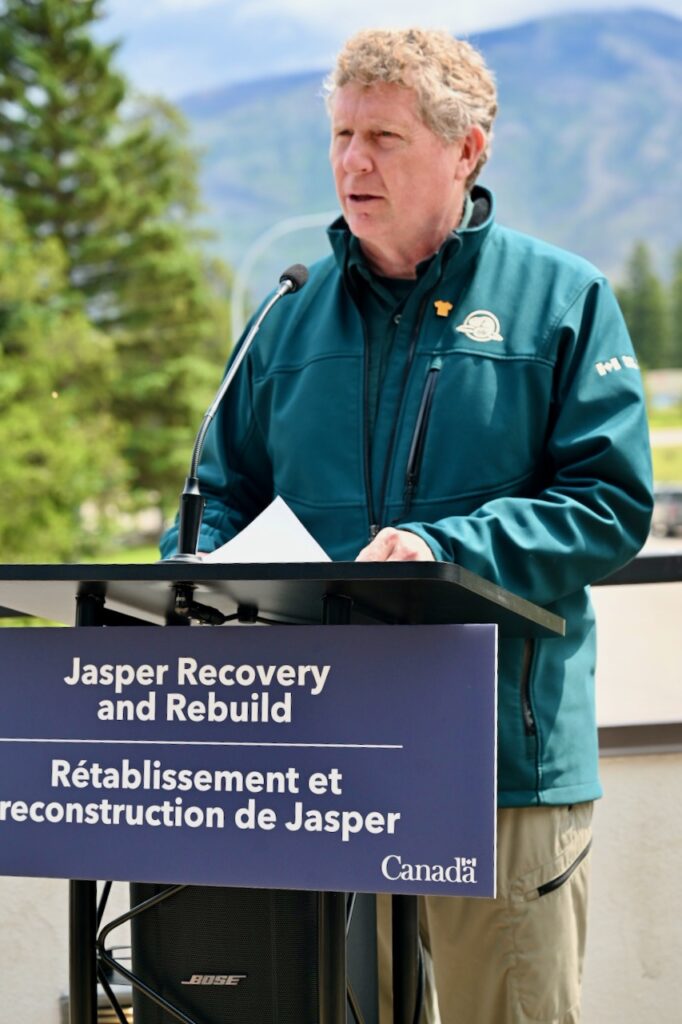
The uncertainty comes as Parks Canada moves through a second round of workforce adjustments. In an Oct. 22 response to The Jasper Local, the agency said 2,917 employees nationally had been identified as affected by the process, with approximately 500 full-time-equivalent positions expected to be eliminated.
The agency is targeting $75 million in ongoing annual savings by 2028-29 as part of the federal government’s Comprehensive Expenditure Review. In Jasper, 208 of the Jasper Field Unit’s 422 employees had been identified as affected as of Oct. 22, although Parks Canada emphasized that receiving an affected notice does not necessarily mean a position will be eliminated.
Stevenson said the lack of clarity about where reductions will occur is particularly concerning given the demands placed on parks such as Jasper and Banff.
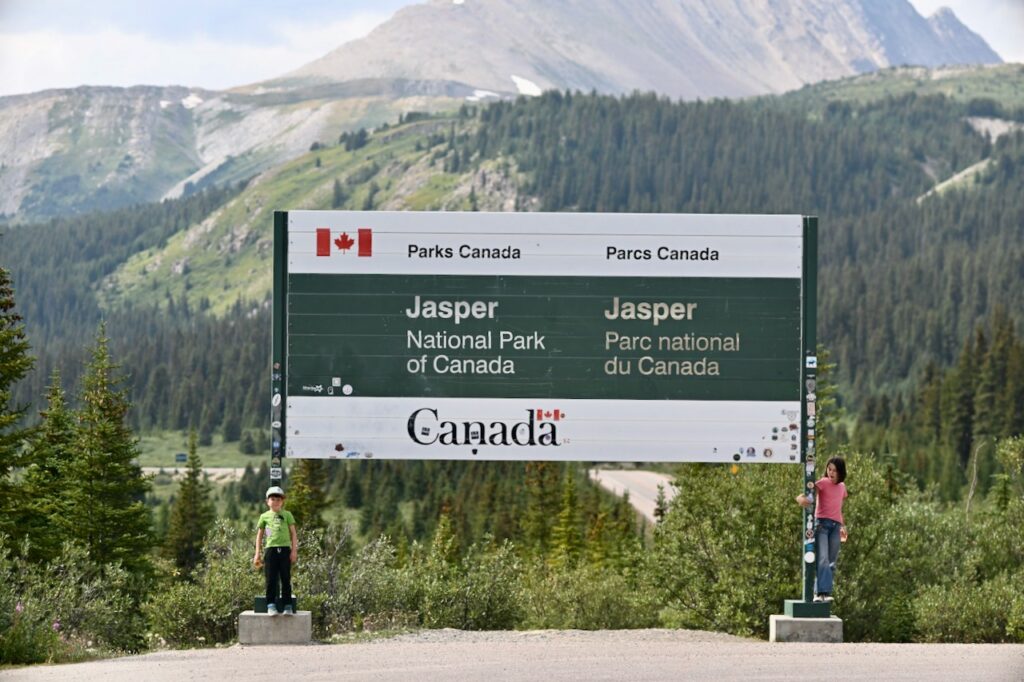
He questioned the federal government’s decision to extend the Canada Strong Pass, which provided free admission to national parks, national historic sites and national marine conservation areas operated by Parks Canada from June 19 to Sept. 7, along with a 25 per cent discount on camping fees.
Stevenson argued the initiative is increasing visitation and putting additional pressure on already stretched staff, particularly in busy destinations such as Banff and Jasper.
“There’s going to be more of them to handle, and yet there’s now going to be less people,” he said, citing a 13 per cent increase in visitation.
He said he has heard from constituents who would prefer free admission be targeted toward shoulder seasons, rather than peak visitor periods when parks are already operating under considerable pressure.
Parks Canada said federal investments offset the admission and camping revenue normally collected during the Canada Strong Pass, allowing the agency to make those experiences more accessible while continuing to protect and maintain national parks and historic sites.
Stevenson also questioned the agency’s spending priorities. In the House of Commons on October 28 he pointed to $2 million in employee bonuses last year while the agency eliminated a search-and-rescue dog program he said cost approximately $200,000.
As a Conservative MP challenging reductions to a federal workforce and government-funded programs, Stevenson acknowledged that workforce reductions are not necessarily incompatible with his party’s approach to government spending.
“Cutting to frontline workers is different than cutting overall government bureaucracy,” he said.
He said he has asked for a detailed breakdown of Parks Canada’s organizational structure through a written parliamentary question, arguing that it’s impossible to determine whether the reductions are appropriate without knowing where the agency’s staffing and resources are allocated.
Parks Canada has said it is reviewing activities considered underperforming, duplicative or non-core to its mandate. The agency says organizational changes will be introduced in stages beginning this fall and continuing through the winter of 2026-27.
“Without the details, it’s very difficult to say they’re making good cuts or bad cuts,” Stevenson said.
Stevenson also addressed a Liberal-backed petition led by Yukon MP Brendan Hanley calling for action on Parks Canada’s workforce reductions. While the two MPs share concerns about the agency’s staffing, Stevenson said his advocacy is focused on the particular circumstances facing Banff and Jasper.
He argued that a national policy doesn’t necessarily account for the differing needs of individual parks, noting that Banff and Jasper attract a significant share of national park visitors and generate substantial revenue through park admissions.
“I have to advocate for the people of Yellowhead, not the people of the Yukon or eastern Canada, where the parks are actually showing less participation in visitors,” he said.
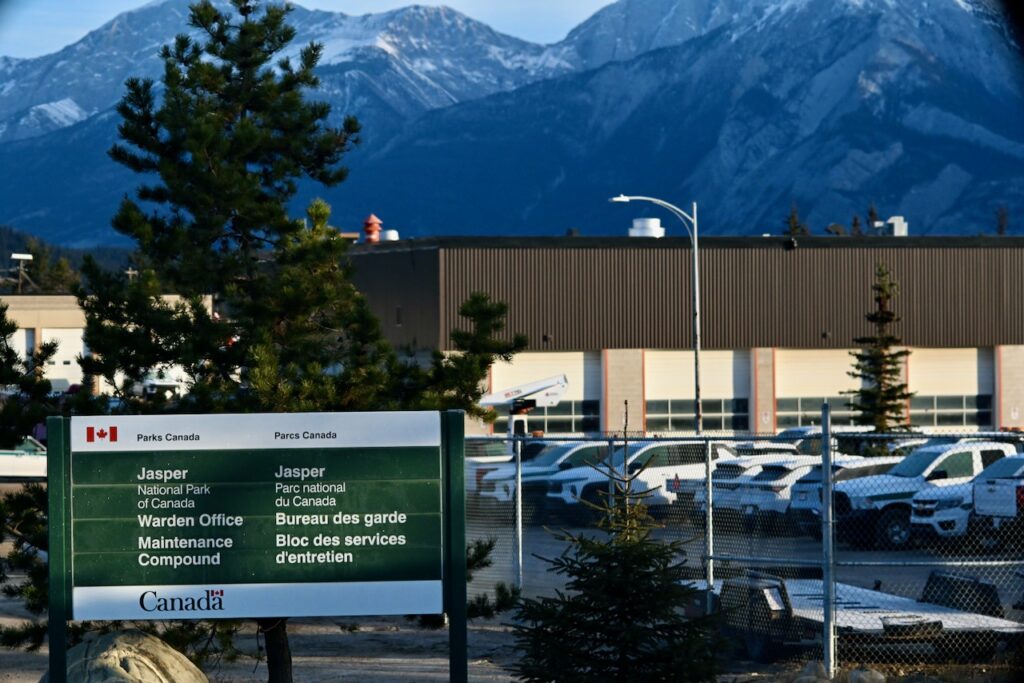
Stevenson said he is hopeful Jasper will be spared significant reductions because of the federal government’s recent commitments to the community, but acknowledged he has no confirmation of that. He also pointed to uncertainty surrounding the closure of park warden detachments and the restructuring of 13 warden positions.
Despite the lack of concrete commitments from Ottawa, Stevenson said Parks Canada will remain a priority in his work as Yellowhead’s MP.
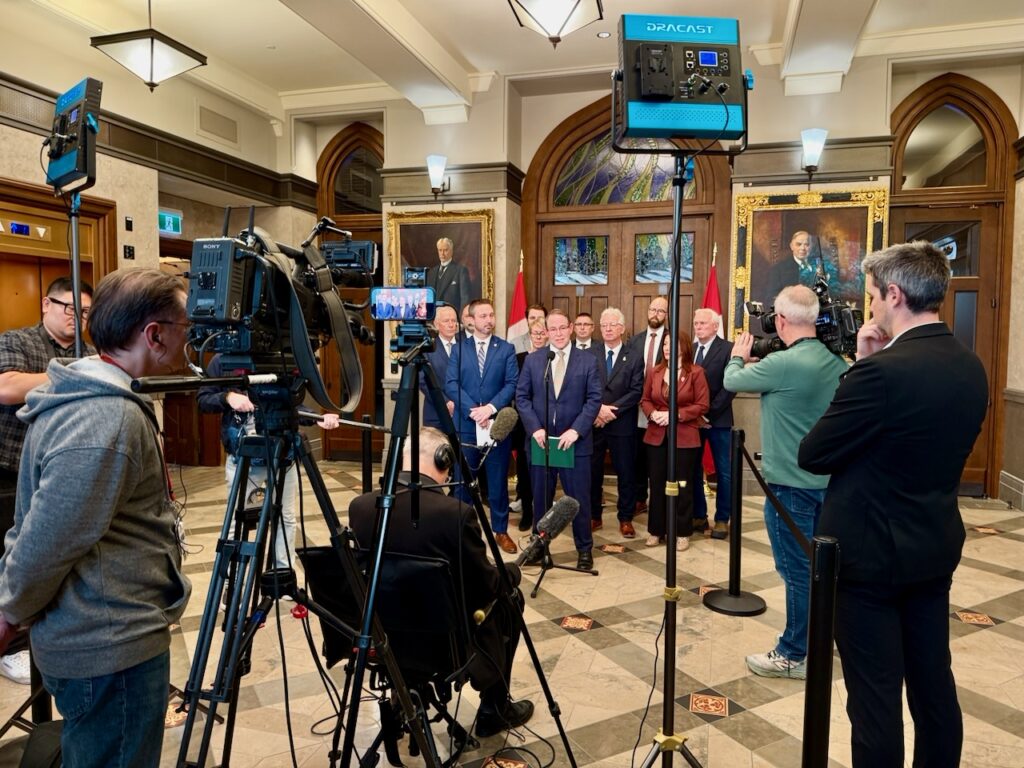
He said his advocacy on the agency’s future predates the current controversy, although the issue has brought increased public attention to his work. He also identified tax reform as another priority, drawing on his background as a chartered professional accountant.
For now, he said he intends to keep pressing the government for information about the workforce adjustments and their potential impacts on the parks and communities he represents.
Bob Covey // bob@thejasperlocal.com