

Council is sending its administrative team back to the drawing board on Jasper’s 2026 municipal budget.
In asking for more information about the 2026 budget, council is hoping to create more transparency— and perhaps a bit of savings—on the proposed 10 per cent increase to local municipal taxes.
During council’s Committee of the Whole meeting on Tuesday (Dec. 9), the Jasper Park Chamber of Commerce (JPCC) presented its concerns regarding the $1.15-million increase to Jasper’s tax requisition. The proposed tax hike works out to approximately $12.9 million.
After the presentation and discussion, committee directed administration to prepare a more detailed breakdown of the requisition; the analysis will identify costs attributed to inflation, wages, provincial downloading or any new budget requests or service-level changes.
“I know there’s a lot of things [where] it’s unavoidable; there’s wage increases, our union agreement, there’s policing costs, there’s just things we cannot avoid,” said Coun. Wendy Hall, who made the motion. “I just wonder out of that $13-million [requisition] what is unavoidable and what can we avoid.”
This discussion came two weeks after the 11-hour budget presentations on November 25 and 26. CAO Bill Given explained that administration had provided a broad overview of the budget, but didn’t get into line-by-line detail.
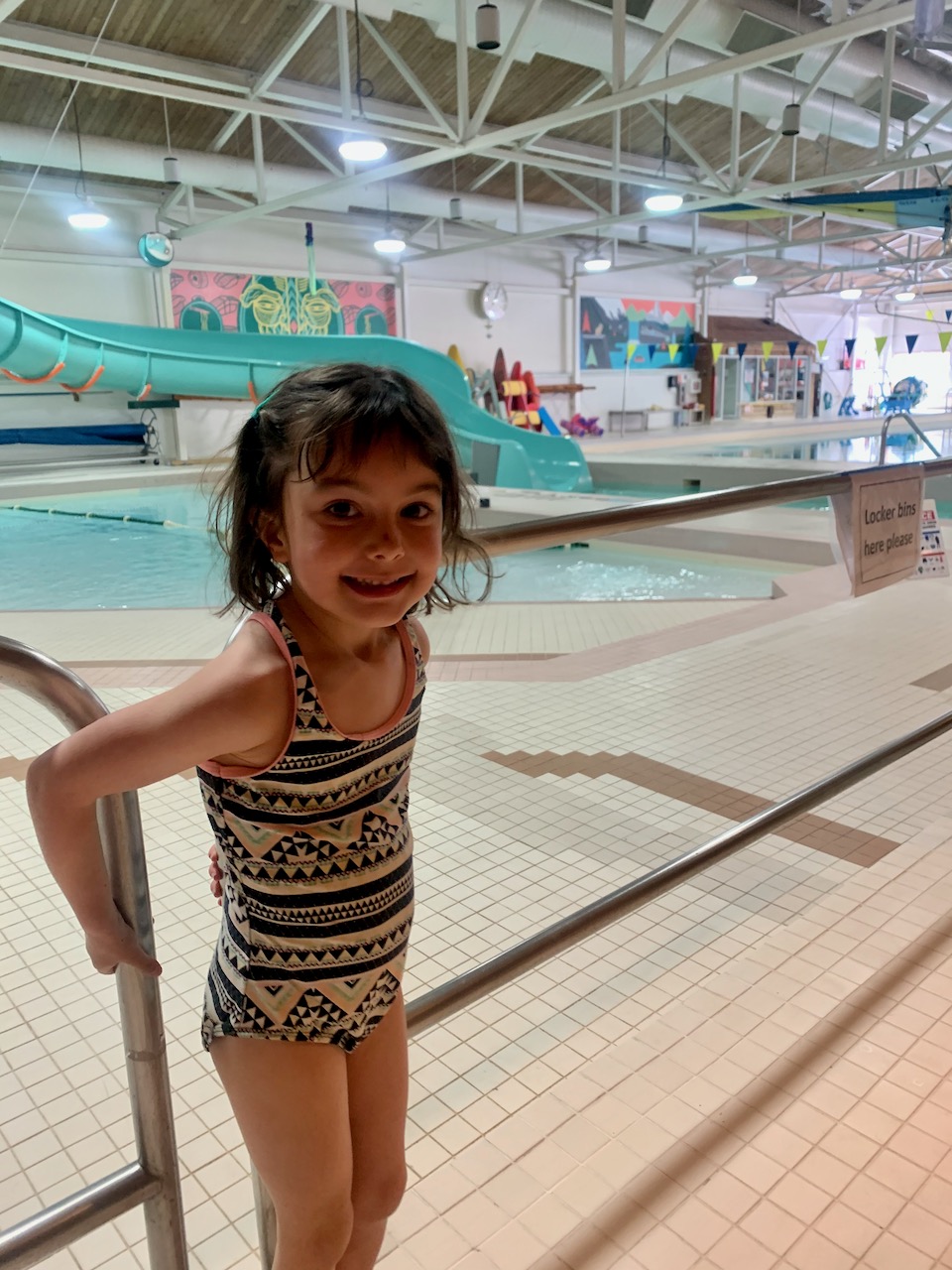
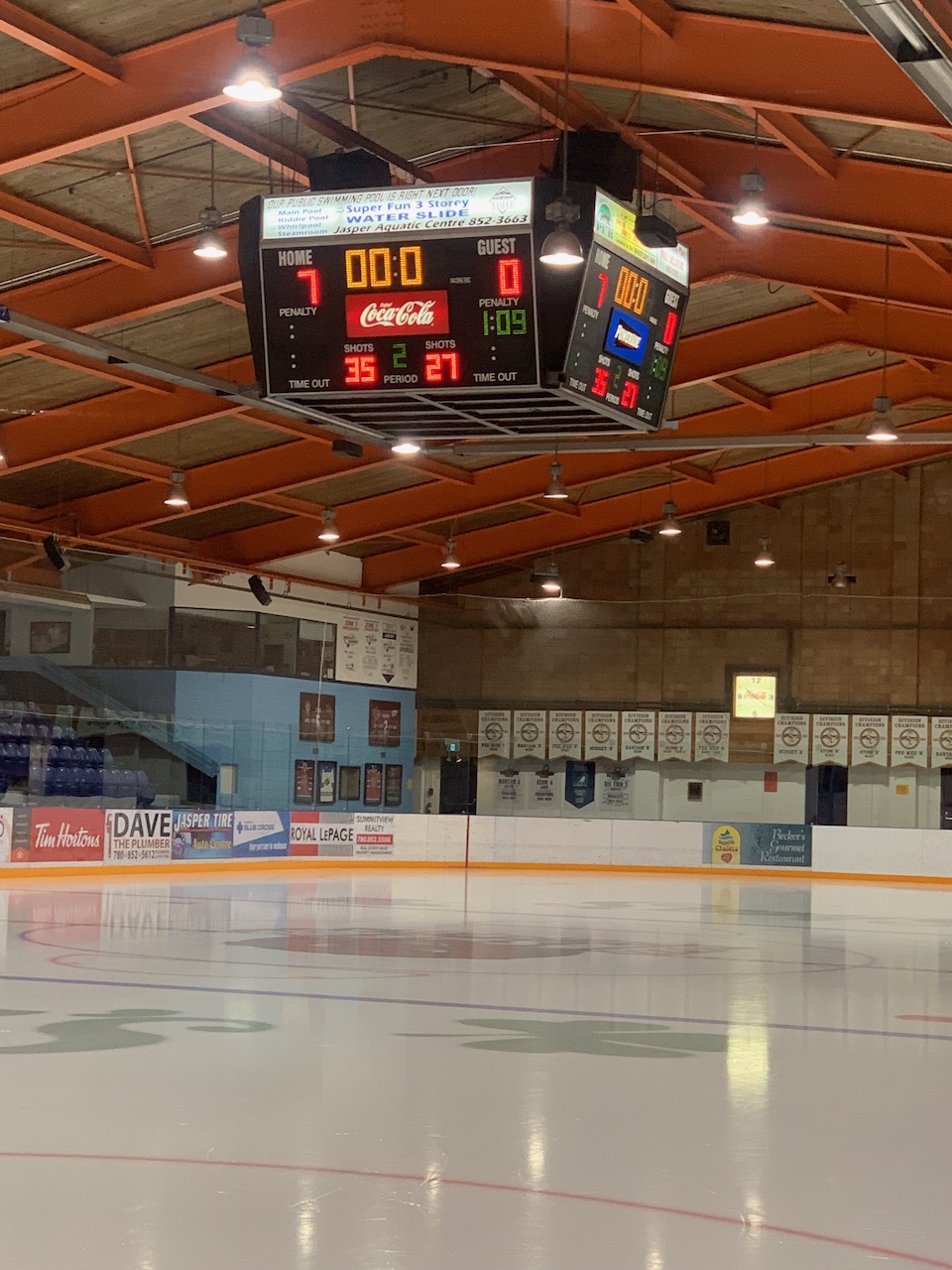
“The scale we presented the budget at was at the departmental level scale, and so it’s true that you’re not seeing the breakdowns within departments across, say, the Fitness and Aquatic Centre, the Activity Centre and the arena,” Given said.
Hall noted the budget breakdown will be presented to council “to support transparent decision-making and public understanding of the factors behind municipal tax requirements.”
Additionally, Mayor Richard Ireland moved that committee direct administration to return with a budget summary level of detail for each service area, and a column in the budget identifying how much tax payer support is required for each of the municipality’s service areas.
Given’s team will also return with a graph showing municipal tax requisition amounts over the past 15 years, and another indicating the assessed values of residential and non-residential properties over the same period.
“If council is interested in trying to find ways to cut the budget … council needs a greater level of detail,” Ireland said.
All of Ireland’s motions were carried unanimously (6-0). Coun. Laurie Rodger was absent.
Council will discuss the budget further at next week’s meeting. Under the Municipal Government Act, municipalities are required to pass a budget by January 1, although council could potentially pass an interim budget and make changes in the new year.
Chamber balks at growing tax requisition
In an interview, JPCC executive director Paul Butler explained that Chamber of Commerce members were “pretty alarmed” at the five-year trend of tax increases. His presentation to council showed the community has seen a 61 per cent increase in the tax requisition in that time period.
Butler noted last year’s increase of 4.9 per cent was partly mitigated by Parks Canada foregoing more than $746,000 in land rent as part of the federal government’s wildfire response. This relief will last until 2027.
The JPCC was also concerned with how much of the tax requisition was going toward debt servicing, and how non-residential properties shouldered a disproportionate share of the tax burden. According to the presentation, non-residential properties accounted for 39 per cent of the assessment value and paid 76 per cent of the tax requisition in 2023.
Butler pointed to paid parking, transit and the urban design and standards department as new areas where there was a lack of transparency, in his opinion, with how expenses and income were recorded.
The JPCC’s recommendations included reducing the year-over-year tax and utility billings by half, reconfiguring the budget statements to reflect the actual cost to taxpayers and users of service areas, and that council not rush to pass the budget.
Butler also wanted council to reassess the transfer of planning and development responsibility due to its high cost and move forward with discussing how municipal costs were allocated throughout the tax assessment.
“We think we can contribute to that conversation and that we can have a better understanding in the community of how mill rate ratios are derived, and how they should be derived,” Butler said.
Butler said he was pleased with council’s request for more budget details and hoped they would “reduce the increase for this year, and that they will be given the transparent and clear budgetary documentation to help them to make those decisions.”
In related news, Premier Danielle Smith’s recent mandate letter to Municipal Affairs Minister Dan Williams revealed that the province wants “to limit excessive municipal property tax increases for businesses and residents.”
“I do think that the kind of conversations we’re having in Jasper are being held in many municipalities across the province,” Butler said. “The provincial government knows that, and they also have concerns in some of these areas.”
Peter Shokeir // info@thejasperlocal.com