

When more than half of the paid visitor experience inside Canada’s most iconic national parks is controlled by one foreign company, the question is no longer just economic, it is civic, writes independent media professional Annie Koshy.
Banff and Jasper are not simply destinations.
They are part of Canada’s national identity, protected spaces governed by Parks Canada with a mandate that places public interest, ecological integrity, and shared access above commercial return.
That balance is now under renewed scrutiny.
At the end of December, William Stevenson, the recently-elected Member of Parliament for Yellowhead, publicly called for Ottawa to end a U.S.-based company’s domination of sightseeing attractions operating inside Banff and Jasper National Parks.
“It’s time to reverse decisions that allow more than 50 per cent ownership concentration in our national parks,” Stevenson said, arguing that current policies have allowed one company to dominate paid visitor experiences across both parks.
His intervention cuts through a debate that has largely unfolded quietly, transaction by transaction, approval by approval. For years, acquisitions were treated as isolated business decisions. Taken together, they have produced something else entirely: one foreign headquartered firm now controls a majority of the marquee visitor experiences in two of Canada’s most iconic national parks.
The question shifts
This is no longer only about tourism economics or operational efficiency. It is about stewardship. It is about who shapes the experience of these parks. It is about who benefits when access becomes bundled, branded, and priced. And it is about how much private concentration is compatible with the public purpose of national parks in the first place.
That is the conversation Parliament is now being forced to have.
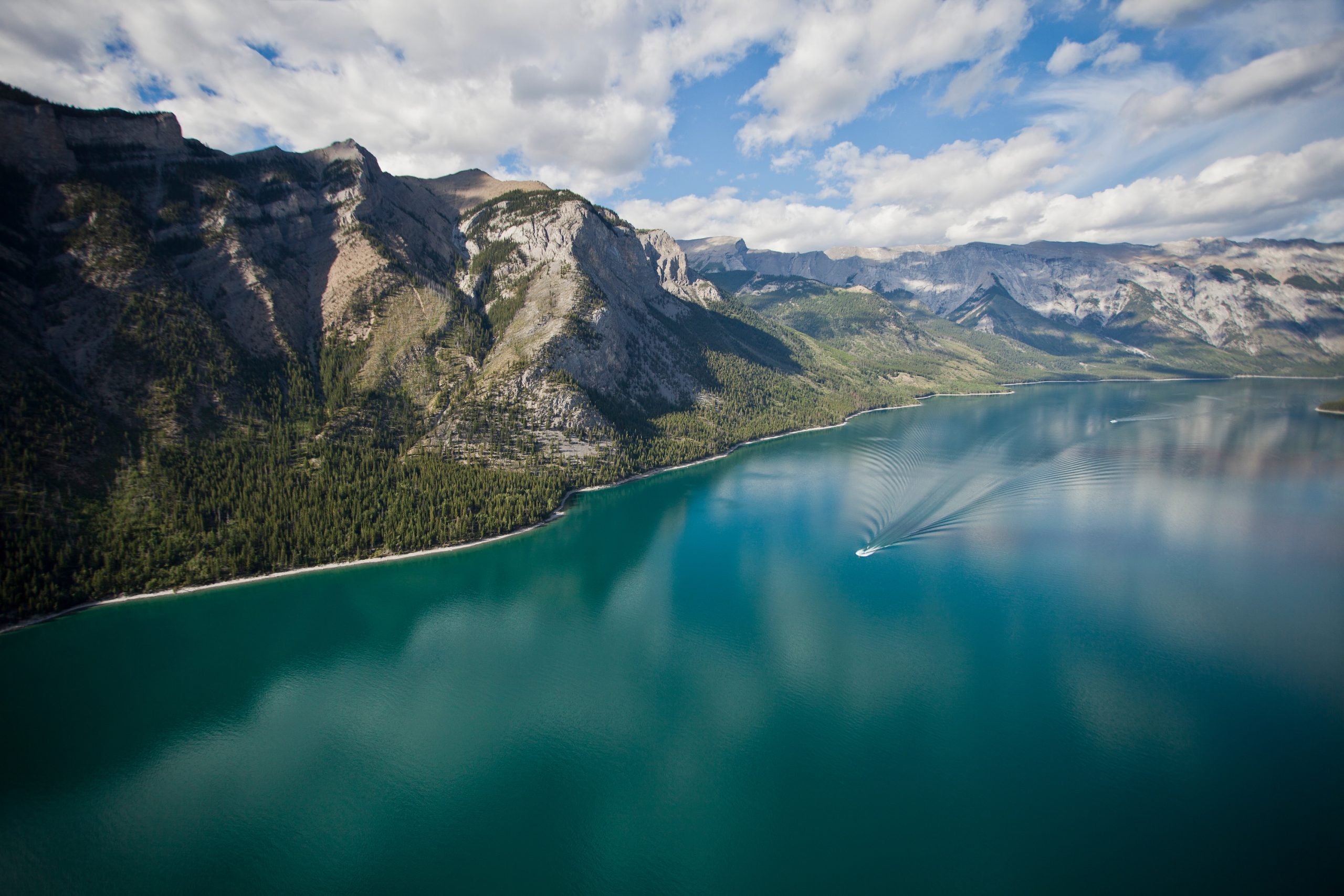
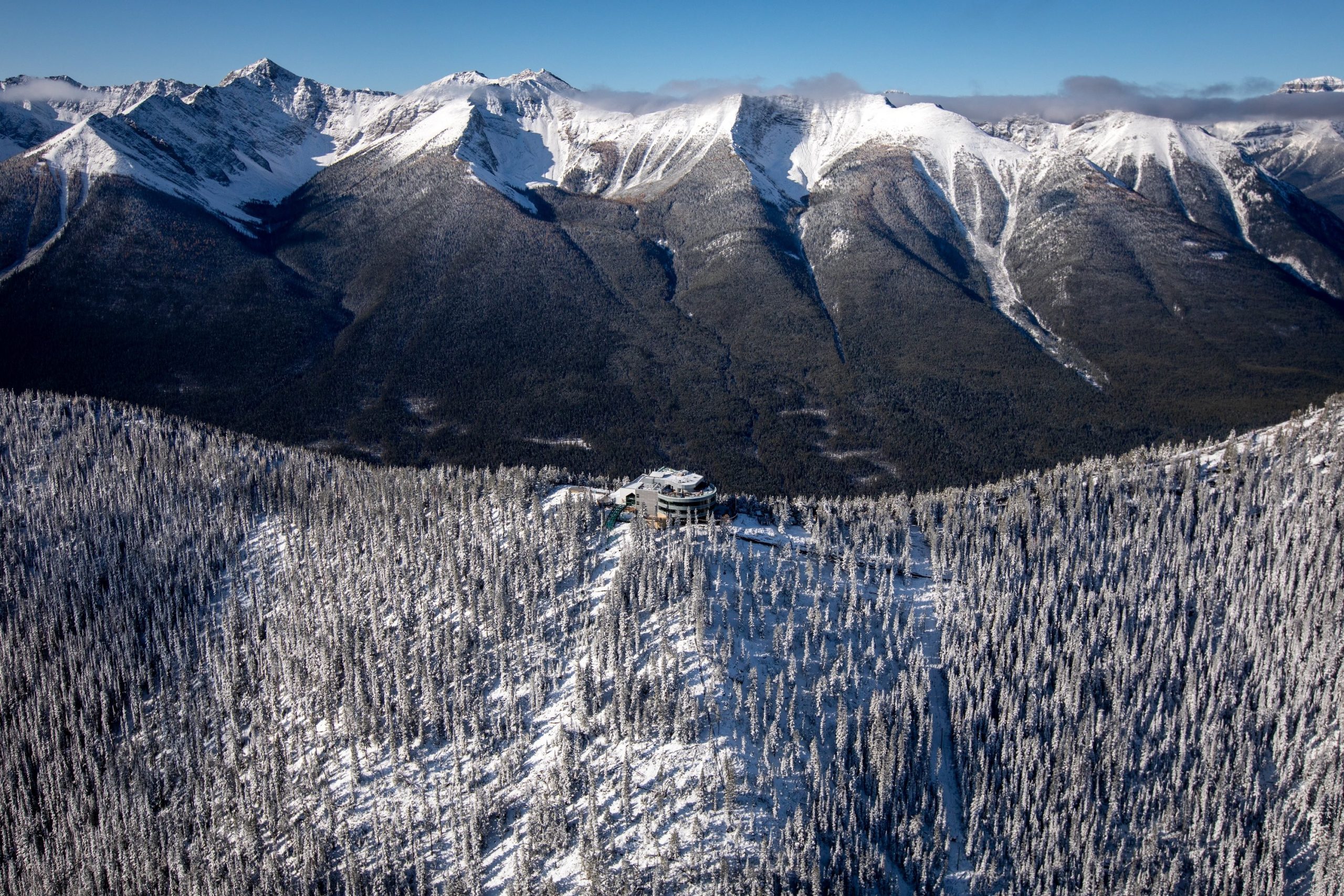
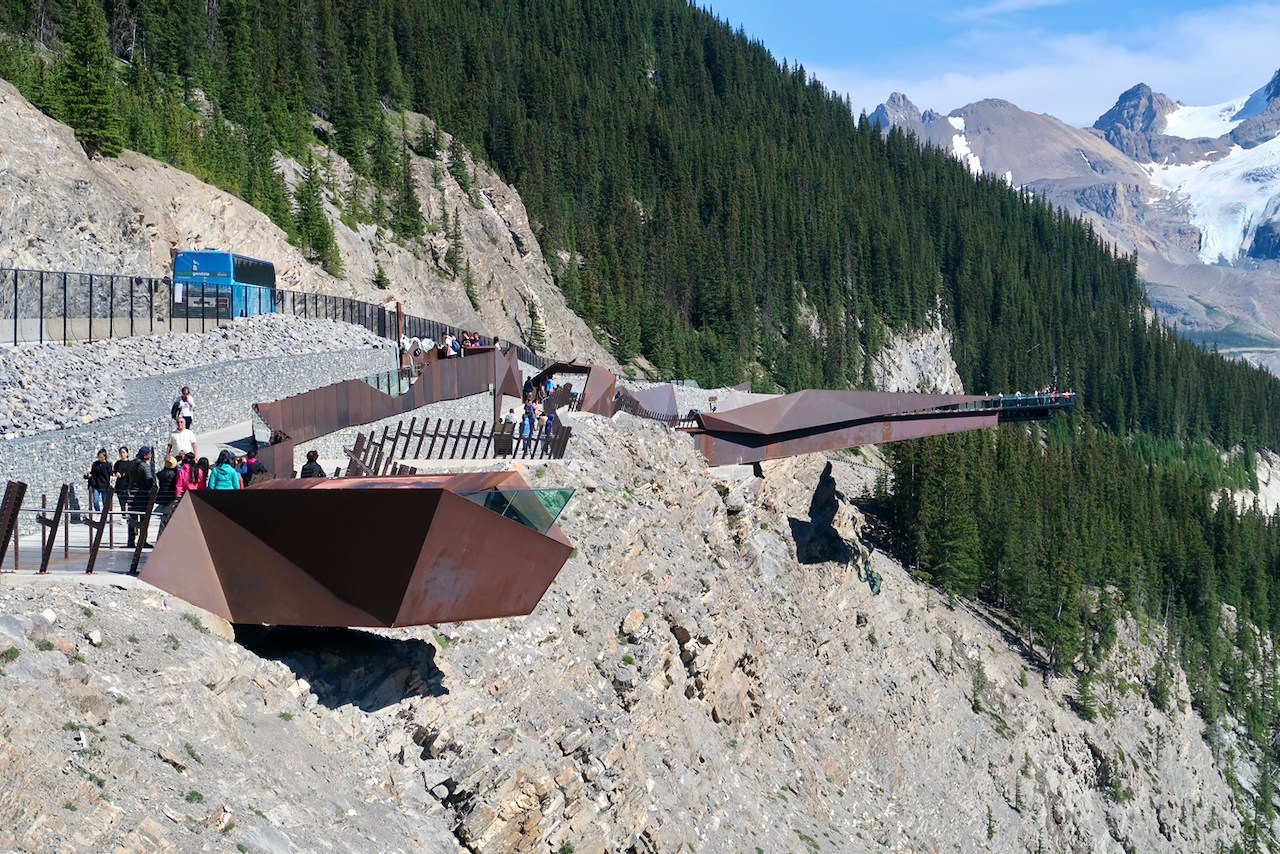
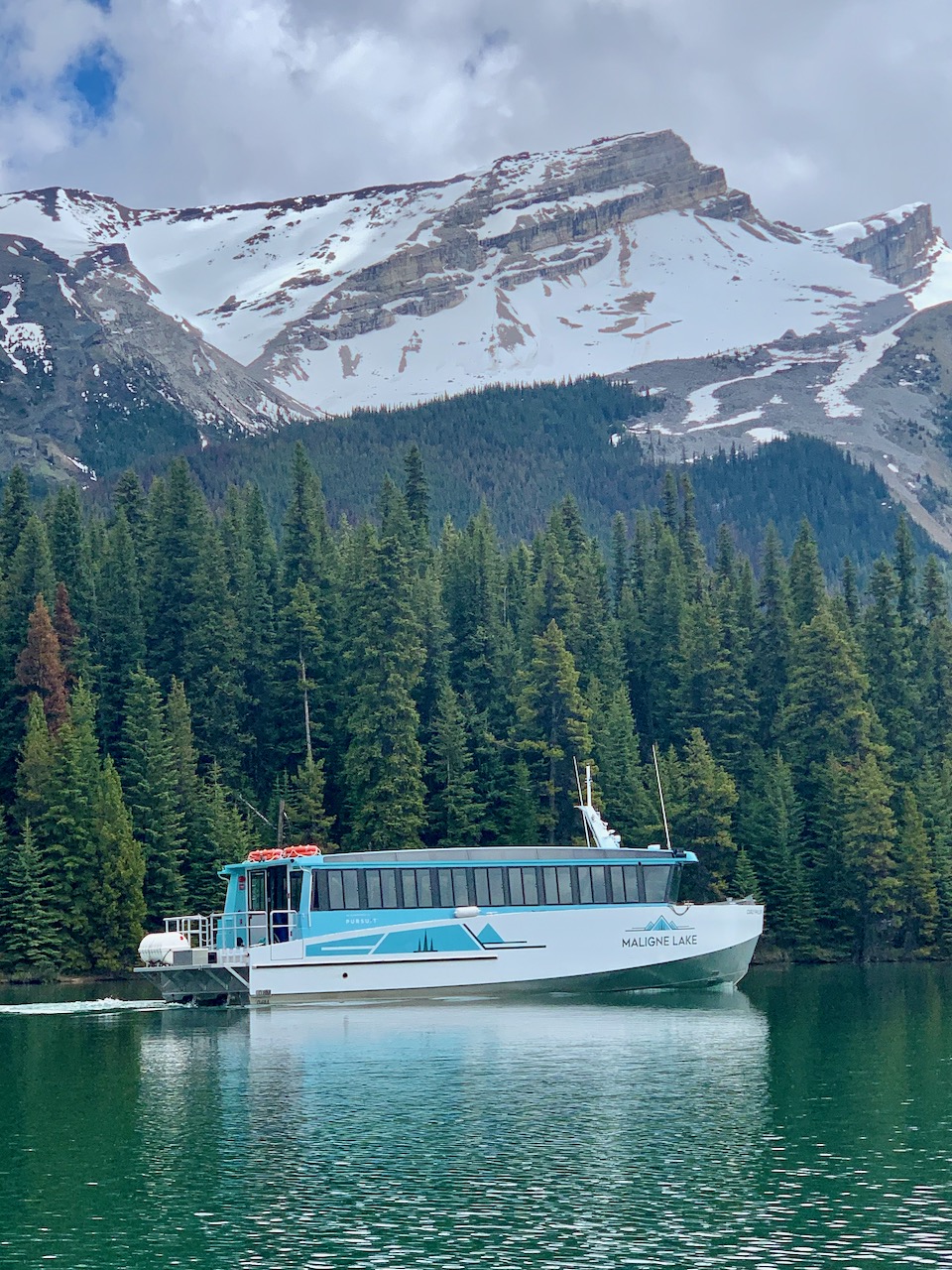
The company at the centre of the debate is Pursuit Attractions and Hospitality, a U.S.-based tourism and hospitality firm headquartered in Denver, Colorado. Over time, Pursuit has acquired or consolidated control over some of the most recognizable attractions in the Canadian Rockies, including the Banff Gondola, Lake Minnewanka Cruise, Columbia Icefield Adventure and Skywalk, Maligne Lake Cruise, and the Jasper Skytram. The company also operates hotels and transportation services that further integrate the visitor experience, from arrival to departure.
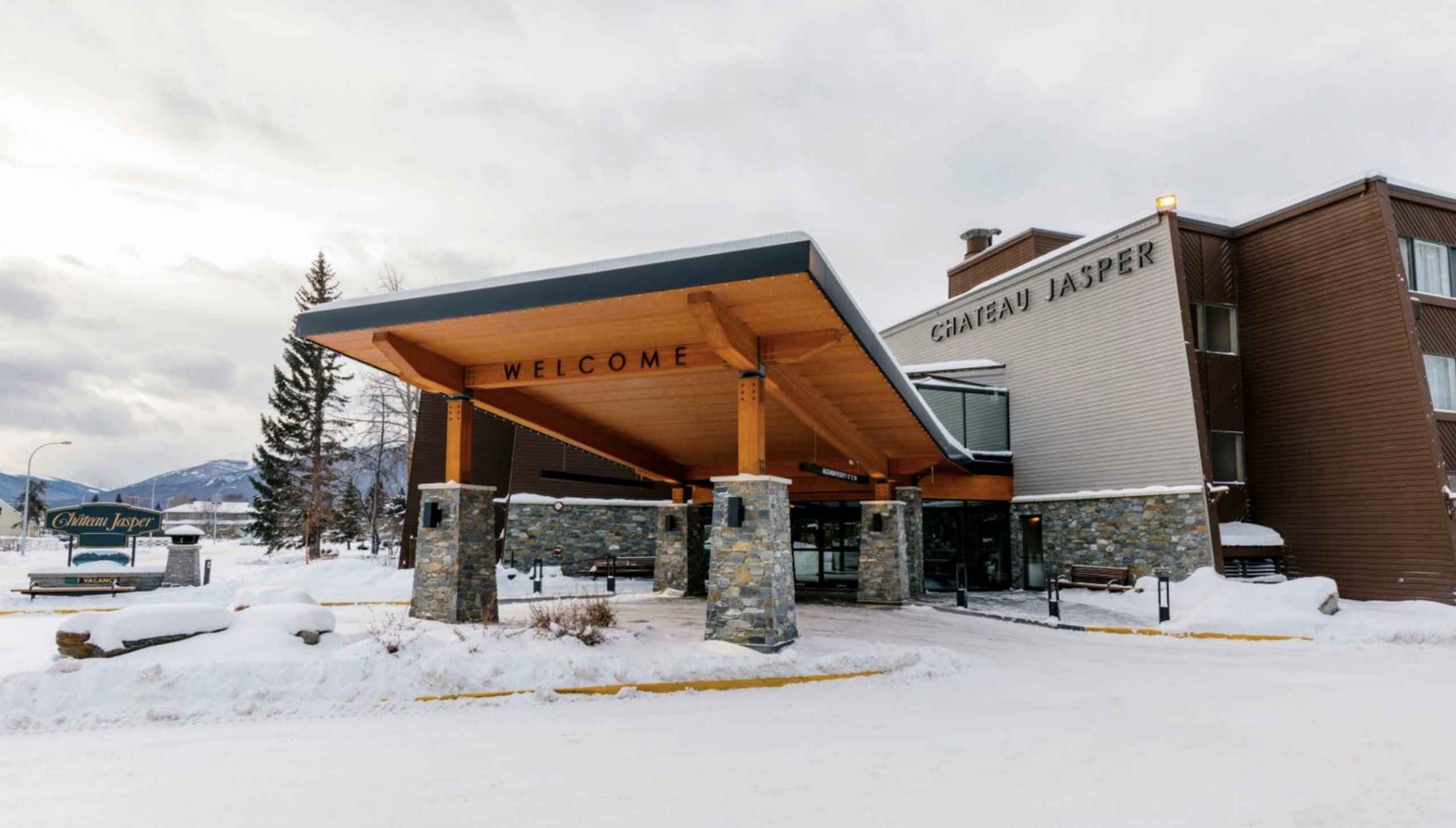
In Jasper National Park, Pursuit owns eight hotels, with a total of 862 rooms, representing 33 percent of pre-fire available accommodation units. After more than 400 hotel rooms were destroyed by the 2024 Jasper wildfire, Pursuit’s share of accommodation in Jasper National Park increased to approximately 40 percent.
This level of presence did not happen overnight. Many of these attractions existed as private operations long before Pursuit acquired them, often with Parks Canada approval granted incrementally. The most recent acquisition was the Jasper Skytram, approved last year, which effectively completed Pursuit’s dominance of marquee paid attractions in Jasper.
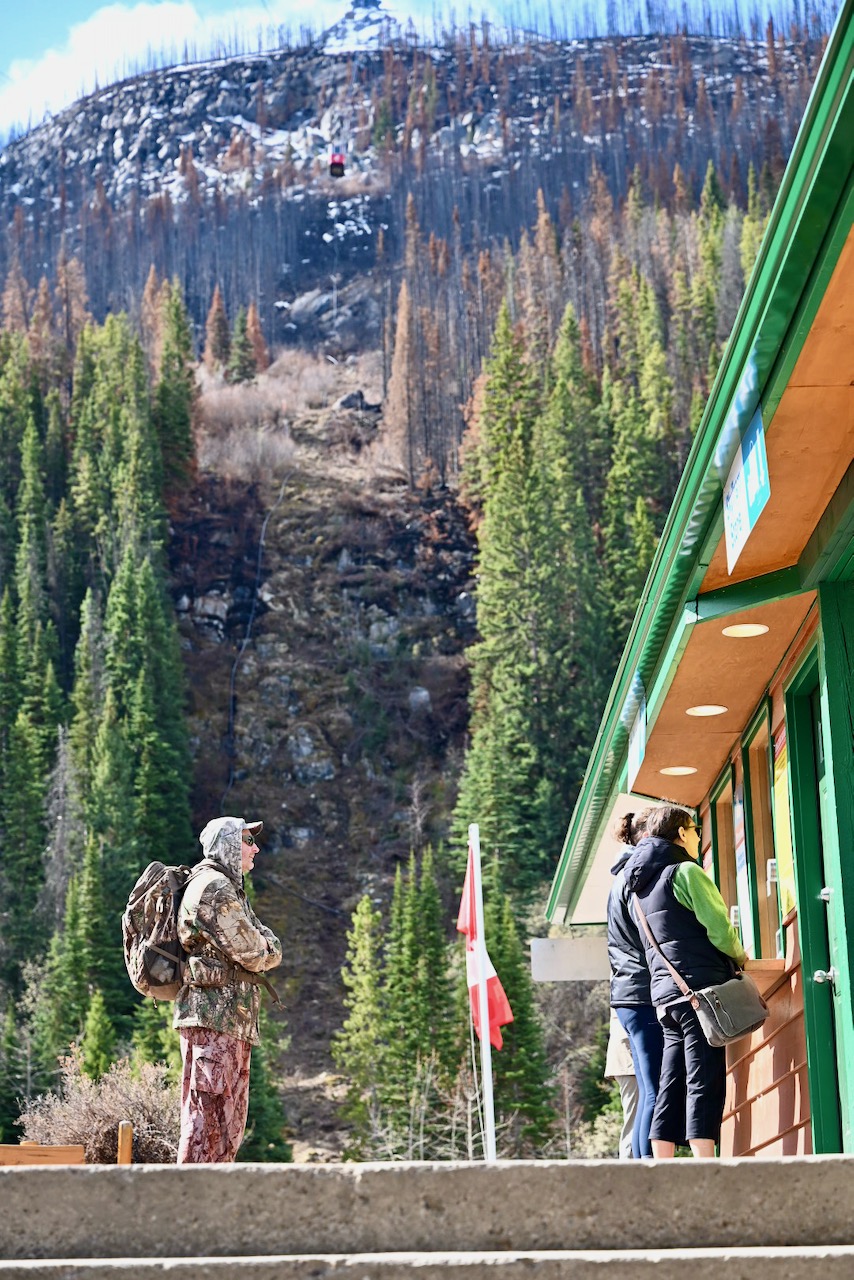
Critics, including Banff Mount Norquay’s Adam Waterous, argue that the cumulative effect of these approvals has crossed a line. While individual transactions may have appeared manageable in isolation, together they have produced a level of concentration that leaves little room for meaningful competition.
Local operators and tourism advocates have long raised concerns that smaller Canadian firms struggle to compete for leases, approvals, or market visibility once a single operator controls the majority of high-traffic attractions. Stevenson has echoed those concerns, saying Parks Canada’s decisions have effectively “picked winners and losers” inside spaces meant to belong to all Canadians.
This is not a simple monopoly case in the traditional legal sense. Earlier this year, the Competition Bureau reviewed Pursuit’s acquisition of the Jasper Skytram and closed its inquiry, concluding there was insufficient evidence to establish a violation of the Competition Act. That finding addressed market competition under existing law, not broader questions of stewardship, public interest, or ownership concentration inside national parks.
That distinction matters.
Parks Canada operates under a different mandate than competition regulators. Its role is not to maximize consumer choice in the abstract, but to balance visitor experience with conservation, education, and public access. When a single private operator becomes dominant inside that framework, the risk is not just higher prices or fewer options. It is the quiet reshaping of how these parks are experienced, interpreted, and monetized.
- Who decides which stories are told to visitors?
- Who sets the tone of access and affordability?
- Who benefits when experiences are bundled, branded, and priced as premium offerings?
These are not trivial questions. Banff and Jasper are among the most internationally recognizable symbols of Canada. How they are presented to the world shapes perception, culture, and national memory.
Pursuit has defended its role by pointing to job creation, reinvestment, environmental standards, and community partnerships. The company says it operates within Parks Canada’s rules and contributes positively to local economies. Parks Canada, for its part, has stated that all operators are held to high standards for ecological integrity and visitor education.
MP Stevenson is not alleging wrongdoing. He is challenging policy direction.
He is calling for Ottawa to reassess whether existing rules adequately protect competition and Canadian participation inside national parks, and whether Parks Canada should actively limit ownership concentration going forward. His riding includes both Banff and Jasper, giving him a direct constituency interest, but the implications extend well beyond Alberta.

At stake is a larger question about governance. National parks are public lands. Decisions about who operates within them are not neutral. They reflect values about access, ownership, and stewardship.
For Canadians, the immediate next steps are not dramatic. No leases have been revoked. No assets have been seized. But the issue is now firmly in the public record. Parliamentary debate, committee review, or federal direction to Parks Canada could follow…if pressure builds.
Canadians who care about this issue should watch for several signals in the months ahead:
- Whether Parks Canada revisits lease and approval criteria
- Whether Parliament takes up ownership concentration as a policy issue
- Whether Indigenous partners and local communities are meaningfully consulted
- Whether transparency improves around how commercial decisions inside parks are made
This is not an argument against tourism or private enterprise. It is a reminder that some places require a higher standard of stewardship precisely because they belong to everyone.
Banff and Jasper are not just assets. They are inheritance.
Annie Koshy // info@thejasperlocal.com
Annie Koshy is an independent media professional and radio host based in Ontario. She works across journalism and digital media, with a focus on public-interest issues affecting communities across Canada.