

GoA’s South-Athabasca sub-regional plan represents another nail in the caribou coffin
Alberta’s caribou are once again taking a back seat to industry.
On December 17, the Government of Alberta released a draft of a caribou management plan for the South Athabasca sub-region, a 38,000 km-sq area of land in northeast Alberta which includes Fort McMurray, the Athabasca oil sands and forestry operations. Among other problems, the draft plan cedes ground to industry and walks back commitments to recover caribou habitat. Let’s have a look:
The Caribou conundrum revisited
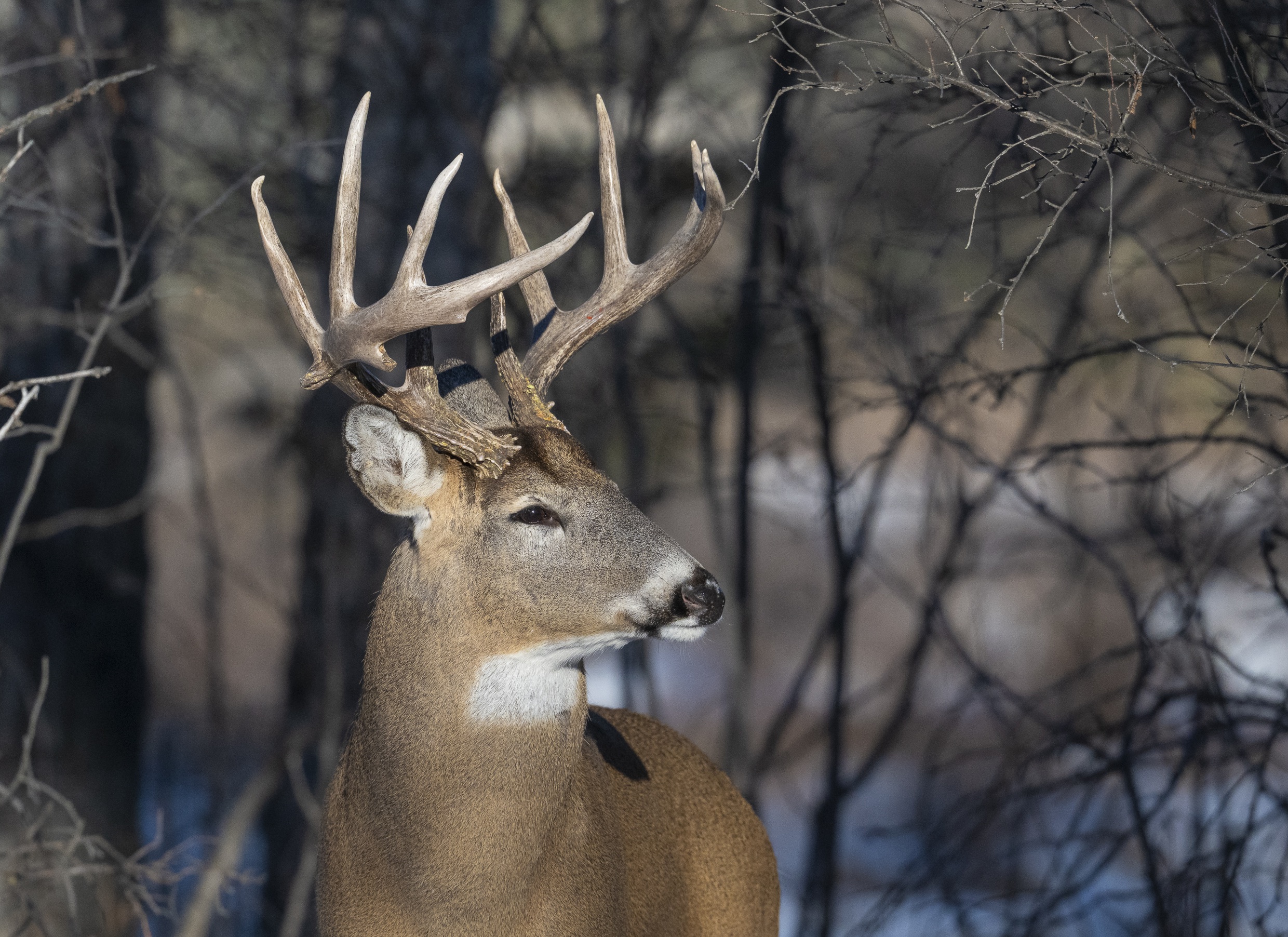
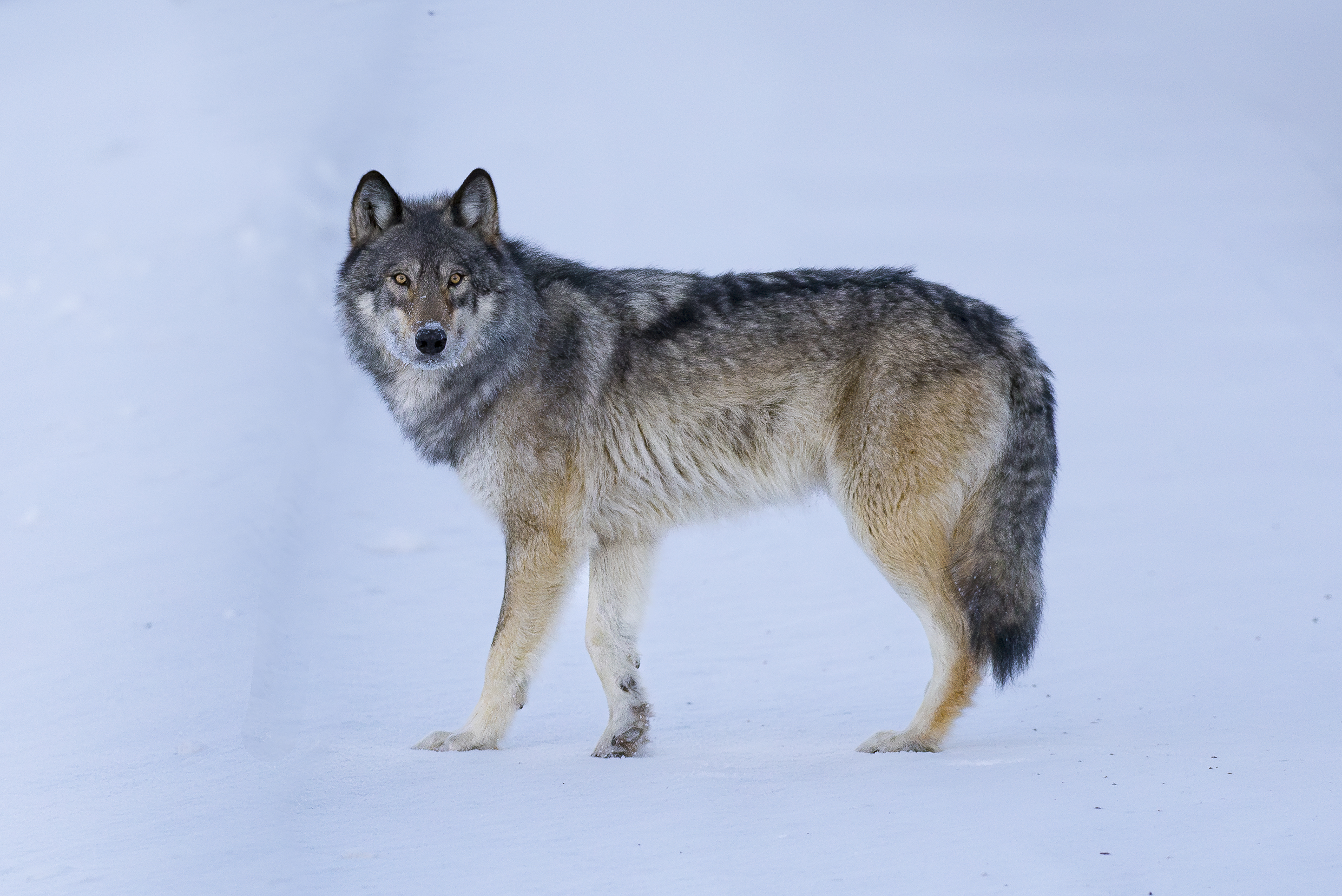
As discussed in a previous Jasper Local article, the management of caribou in Alberta has been a shell game for decades—committees are struck, plans are produced, and research is conducted. Meanwhile, habitat is damaged and caribou decline. It’s hard to be precise, because caribou counting was sketchy back in the day, but the best data suggests Alberta caribou have declined as much as 60 percent over the last 50 years. We’ve examined the cause of this decline: essentially, industrial tree cutting (of one sort or another) stimulates population growth of moose, deer, and eventually wolves, resulting in predation rates higher than caribou can tolerate. Also, roads, trails, pipelines and seismic lines cutting through caribou habitat have made travel more efficient for wolves, giving them better access to this protected species.
The magic 65 percent
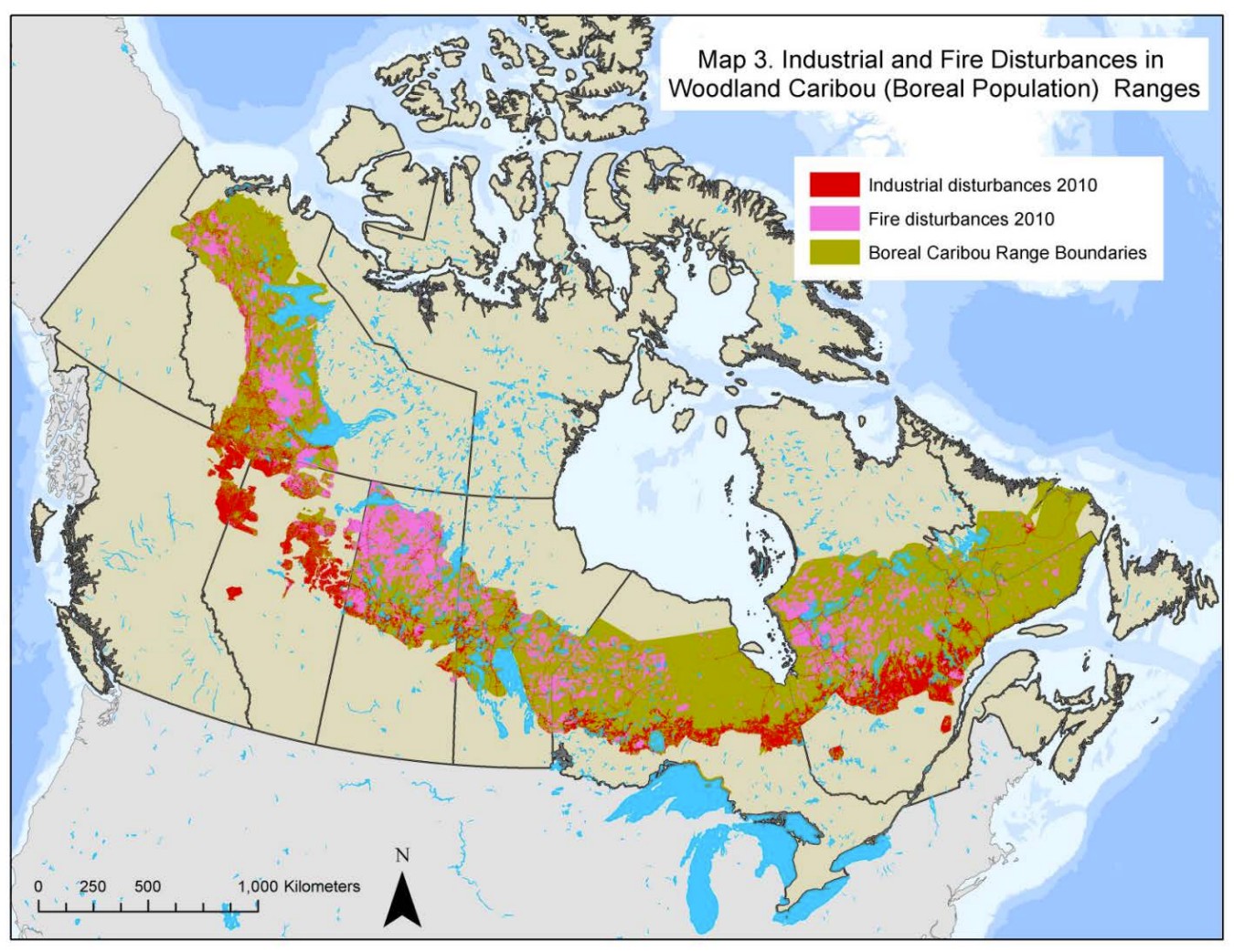
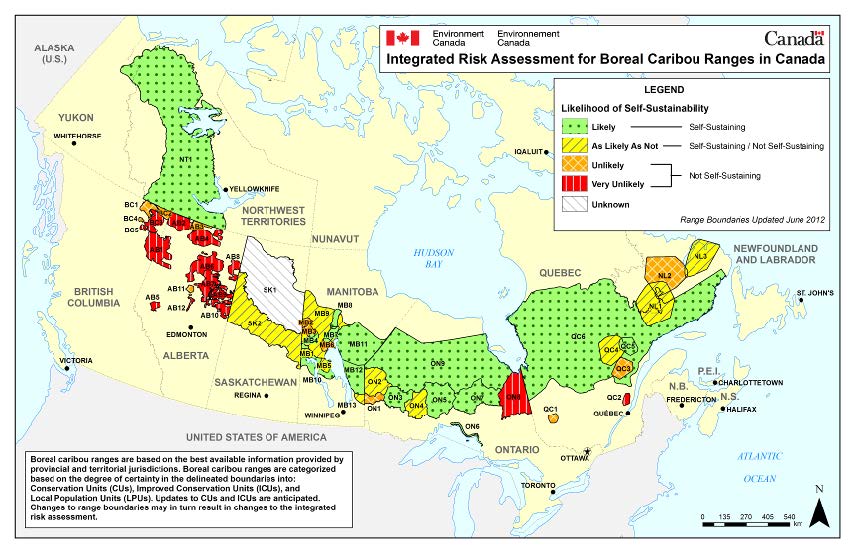
The ultimate cause of Alberta’s caribou decline is not under any real debate (it’s industry!) and neither is the long-term cure (intact habitat!). In fact, a simple measure of the habitat quality required for caribou survival was devised back in 2010—the landscape needs to be 65 percent “undisturbed.” This measure was adopted by both Alberta and the federal government. The problem is that Alberta caribou habitat as a whole is nowhere near this target (it’s actually closer to 20 percent) and since 2010, there has been no overall improvement in that threshold.
More Ottawa, less Alberta?
In Canada, the feds are responsible for species at risk planning, but the provinces are responsible for actually managing the animals and the land base. The federal government has recognized Alberta’s caribou calamity, and on Oct 19, 2020, the two governments entered into what’s known as a Section 11 Agreement. Various goals and objectives were laid out—including a re-affirmation of the 65 percent undisturbed threshold—and Alberta’s caribou habitat was divided into 11 sub-regions (some sub-regions contain more than one caribou population). Each sub-region was supposed to have its own caribou management plan by October 2025… a date that has come and gone, with only three plans finished. A draft of a fourth plan (the South Athabasca plan mentioned above) is available for public commentary as of January 9.
How the cookie crumbles
I’m not sure why these plans are taking so long, because if you look at the ones that are done, you’d think they were turned out by a cookie cutter. The first two of these plans were finished in 2022 (Bistcho and Cold Lake) and in my opinion, leave much to be desired. Take the overall goal: you might think that caribou would be pretty important in a caribou management plan, but apparently not. In fact, the word ‘caribou’ is not even in the plans’ titles, nor does the word make it into the Purpose or Strategic Management Outcomes paragraphs. Both plans do eventually promise to recover caribou habitat to the 65 percent undisturbed threshold… however not for 50 to 100 years! Talk about a strategic delay!
A third plan was just completed in November– the Upper Smoky Sub-regional Plan. This is the first plan to drop the pretense of achieving a 65 percent undisturbed landscape. Instead it makes a vague promise to deliver “improved habitat conditions in the future.”
Back to the future
All three of the completed plans promise to rehabilitate old or “legacy” disturbances to improve caribou habitat. The problem is, they only specify the start of rehabilitation efforts, not the end. Trees in the boreal forest grow slowly, and caribou habitat takes a long time to recover after a disturbance. Since the plans were scant on detail, I scoured the internet and managed to find a presentation on the Upper Smoky plan, delivered in May of 2025 by GOA staff.
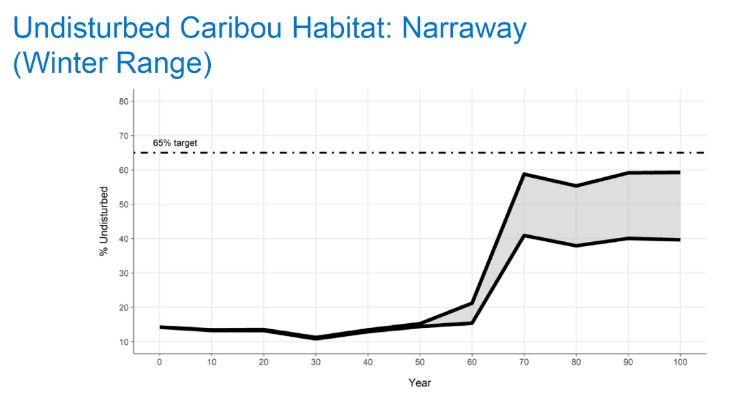
The Narraway herd range (half the planning area) sits at 15 percent undisturbed habitat today… but won’t even start improving for at least 50 years, and will never actually get to that magic 65 percent mark. Why the 50 year flat line? Because as the province rehabilitates old disturbances, they intend to keep cutting new ones. I think this strategy bears more than a passing resemblance to Alberta’s pledge to get to carbon neutrality by 2050, or to cleaning up orphaned oil wells by 2040: each of them have the baked-in philosophy of putting off important environmental issues for the foreseeable political future.
Cull it like they see it
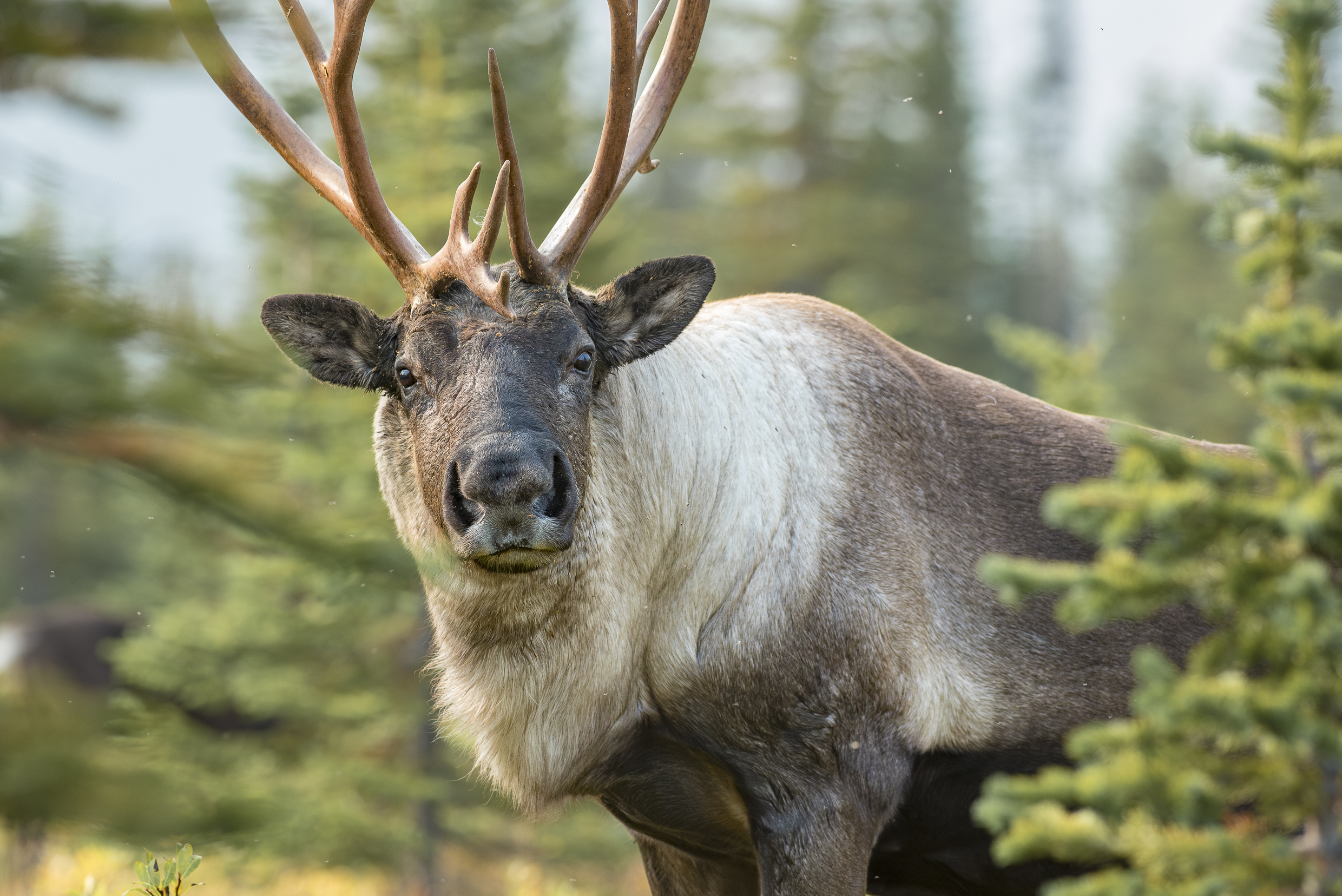
And that viewpoint may not even be cynical enough. Given Alberta’s track record, in five decades, there may be very few caribou left. Currently, while their habitat is being simultaneously restored and destroyed, eight of the 15 Alberta caribou populations are being maintained by killing wolves. In other words, poor habitat management is being propped up by wolf killing. Admittedly, these eight populations are stable and some are even increasing slightly (albeit at perilously low numbers), but should predator control stop, then many of these caribou would be in serious trouble.
Also consider that by 2075, when the Alberta government says caribou habitat will be more intact, we will (very likely) be using far less fossil fuel-based energy sources than today. So the province won’t exactly be making a big sacrifice by not mowing down caribou habitat to serve the oil and gas industry.
Double standard
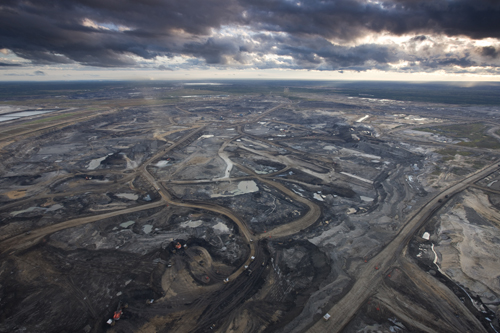
The climate issue is even more relevant in light of the latest draft plan. As noted, the Upper Smoky plan makes no mention of the 65 percent undisturbed habitat goal, but it goes even further, promising to help double oil and gas production. That doubling can’t occur without adding new oil sands projects, which would destroy even more caribou habitat in a planning area that is already only about 10 percent undisturbed (compared to about 20 percent for the entire province). I won’t bore you with details of zoning, or the management of roads, pipelines and clear-cuts, but this plan suffers from the same drawbacks as the previous plans – there’ll be no improvement in caribou habitat for a heck of a long time. Not only that, but in the latest plan, oil sands projects don’t actually count as disturbed habitat… although I’m pretty sure that the caribou would disagree.
Meanwhile, back in Edmonton…
In response to inquiries from The Jasper Local, Ryan Fournier, the press secretary to the Minister of the Environment and Protected Areas of Alberta, claimed that “the long-term ambition of 65 percent caribou habitat restoration has not been abandoned. Any suggestions otherwise are wrong.”
I really hope that’s true, but if it is, why is that ambition missing in the latest two plans? Fournier also claims that Alberta “restores habitat at a record pace while keeping people working” and that “we’ve recovered over 4,500 km of caribou habitat in the past five years (compared to just 87 under the NDP’s entire time in government) and announced another $55 million last year to keep this momentum going.”
I applaud the kilometers replanted and the allocation of funds… but they pale in comparison to what’s actually needed. Given that there are 209,000 km of legacy seismic lines to be restored, Phillip Meizner of the Alberta Wilderness Society has calculated that it would take 300 years to restore them all at the current pace. Although their efforts at caribou habitat conservation were also weak, it’s a bit rich to throw the the NDP under the bus when they were in power for a total of four years. Conservative governments of one stripe or another have presided over caribou decline for some 75 years (the UCP itself has been in power since 2019).
Fact check
So… let’s recap: the review of the Section 11 Agreement with the feds is now due, yet instead of completing the required planning, the Alberta government is doubling down on industrial conversion of the landscape. It’s hard to square that circle until you consider that Alberta and the Feds just signed a Memorandum of Understanding where, in effect, Ottawa has promised to stay out of Alberta’s way. Perhaps Premier Smith doesn’t foresee Prime Minister Mark Carney insisting on caribou conservation—not when the oil sands can help Canada become an energy superpower. Perhaps the goal of all these plans is to reassure industry that caribou management will not stand in their way.
Press Secretary Fournier also told me that the GoA has “fully complied with the Section 11 Agreement,” and has “gone further than any government to protect caribou.” Since the Section 11 agreement is mostly just more promises to create plans, it’s a stretch to say Alberta has fully complied, because only three of the 11 plans were completed by the deadline. And while the argument could be made that Alberta has “gone further than any other government” (a very low bar to clear), it also has a lot further to go. Alberta’s boreal forest has more industrial disturbance and a lower probability of caribou persistence than every other province or territory, with the possible exception of B.C. (the boreal forest is just a tiny corner in B.C.’s northeast).
JNP: caribou’s last stand?
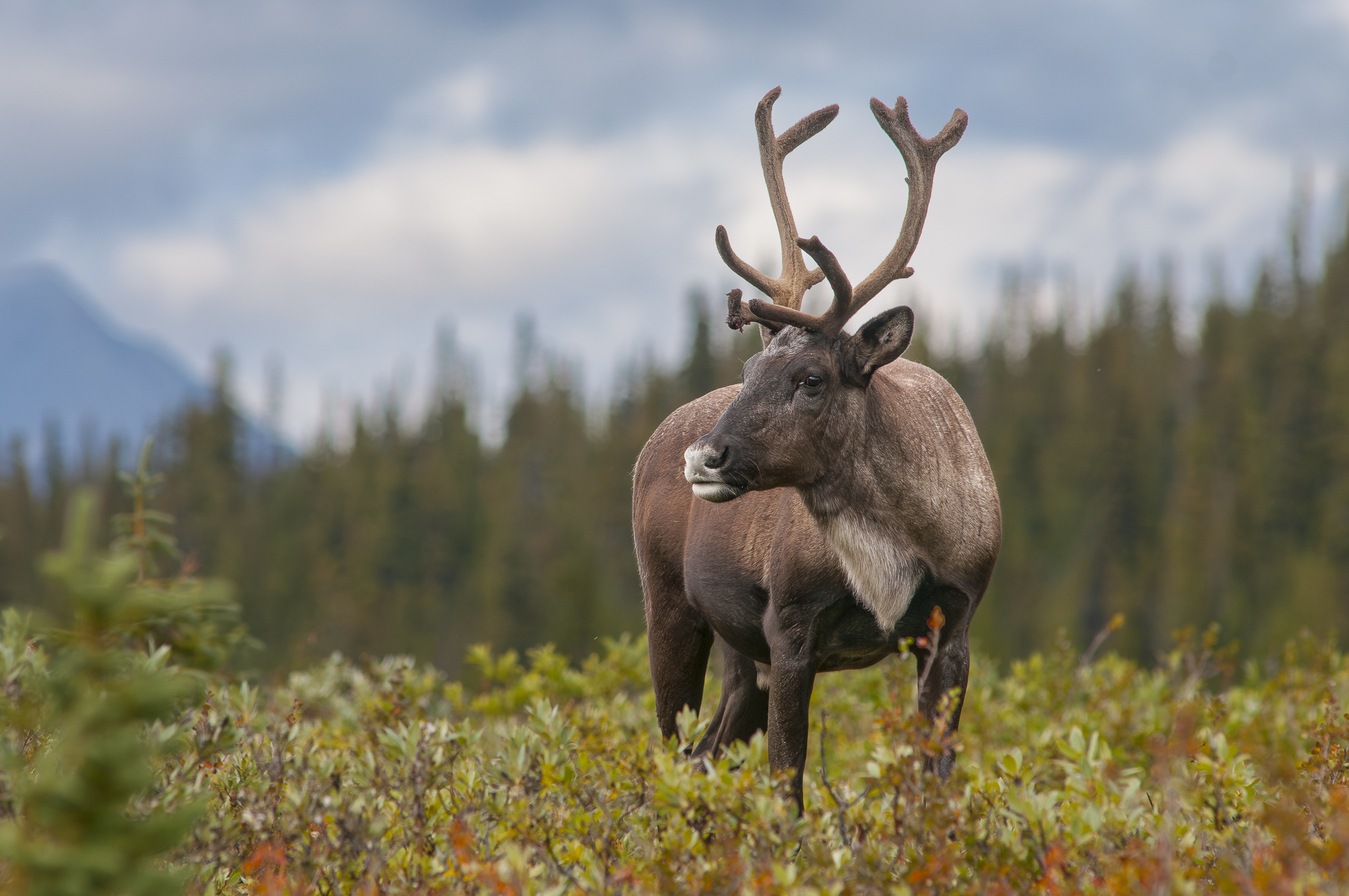
Why should we care about the extinction of Alberta’s caribou, if they are standing in the way of economic progress and energy superpowerdom? Because caribou have been around for about two million years, have survived perhaps 20 ice ages, and are an important part of the culture of several Indigenous peoples.
Because they are a crucial component of boreal and alpine ecosystems; they recycle nutrients, regulate vegetation, and provide prey for several predators. Because they are sensitive to human development and require large tracts of intact habitat, making them good indicators of ecosystem health. Because they are a beautiful animal, and don’t deserve extinction at the hands of humans.
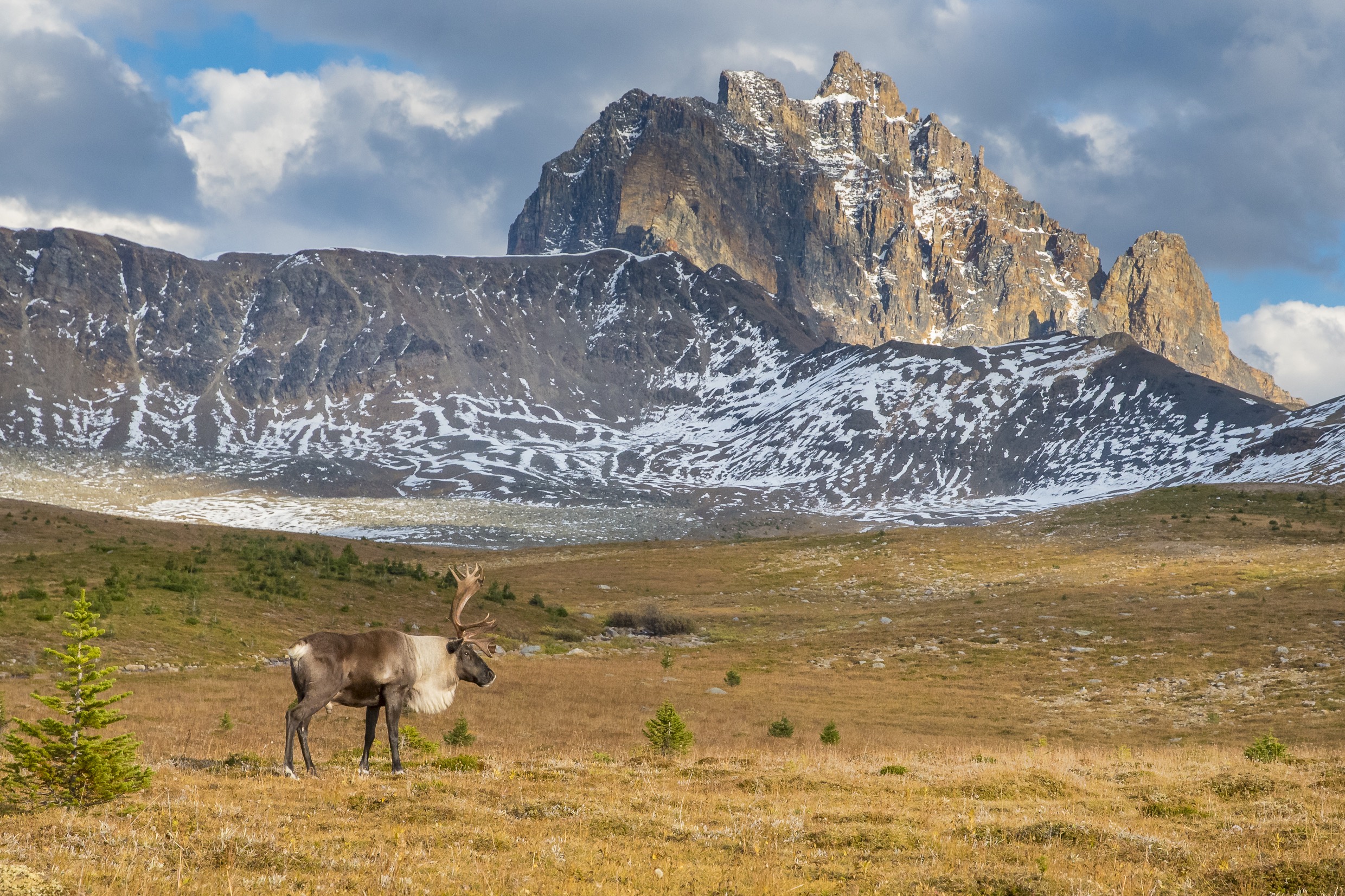
The coming demise of Alberta caribou is a good reminder of the importance of large protected areas, and that we need to do all we can to conserve caribou within our parks (like what’s happening with Jasper National Park’s caribou breeding centre project). Because outside of these refuges, we’re not giving caribou much of a chance.
Mark Bradley // info@thejasperlocal.com