

Whirling disease has been detected in Alberta’s Athabasca watershed, raising new concerns about the spread of the invasive fish parasite in the Rockies.
The latest confirmed case is east of Jasper; Parks Canada says the disease has not been detected in Jasper National Park.
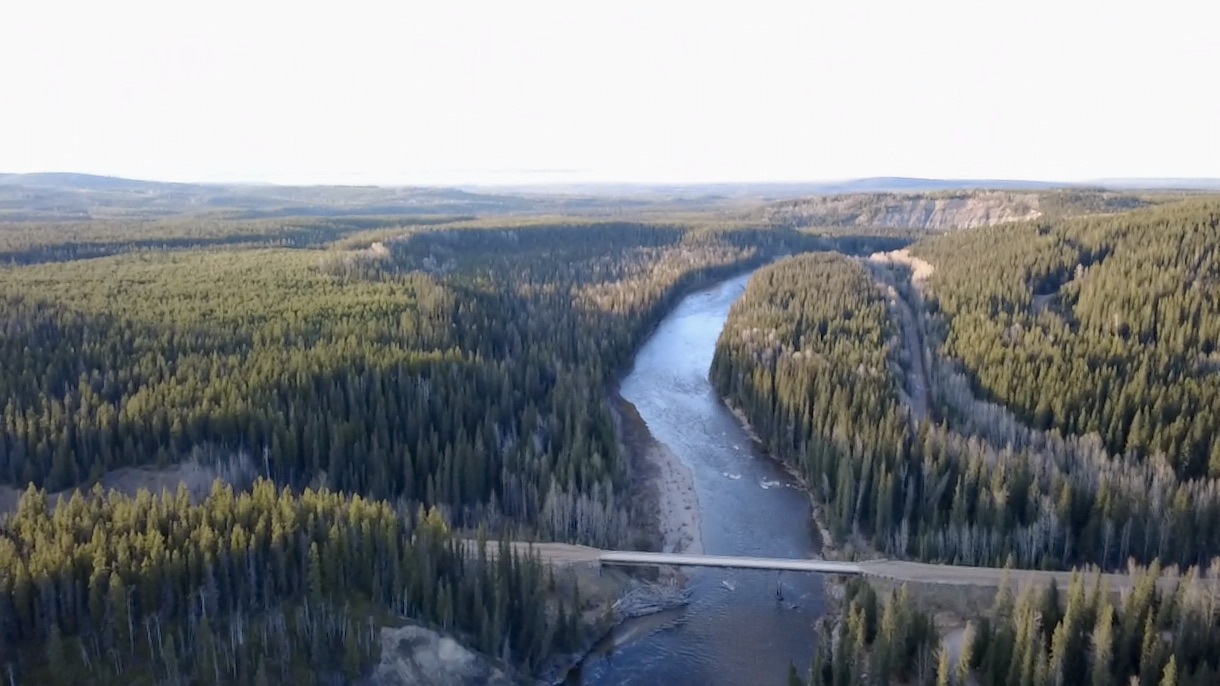
In an emailed response to media, Parks Canada confirmed the Canadian Food Inspection Agency recently detected whirling disease in samples taken from the McLeod River sub-watershed, east of Jasper. As a result, a broader section of the Athabasca watershed has now been designated an infection zone.
“The designation reflects the known presence of the disease within part of the watershed and supports measures to help limit further spread between water bodies,” Parks Canada stated. “It does not mean that all susceptible finfish populations within the watershed are infected.”
Whirling disease is caused by an invasive parasite that affects trout and salmon species, often deforming young fish and impairing their ability to swim and feed. The disease has steadily spread across western Canada in recent years, including confirmed detections in Banff National Park, Yoho National Park and Waterton Lakes National Park.
The Jasper Local has previously reported on heightened aquatic invasive species precautions in the Rockies, including mandatory watercraft inspections, clean-drain-dry messaging and restrictions aimed at protecting sensitive headwater ecosystems from contamination. Similar measures have also been implemented in Mount Robson Provincial Park, where provincial authorities have worked to prevent the disease from spreading westward into B.C.’s interior watersheds.
Parks Canada said the latest detection underscores “the importance of taking urgent action to limit its spread in the region.”
“Managing the risk of aquatic invasive species is a high priority for Parks Canada and is a shared concern among Canadians and the people who enjoy and recreate in our national parks,” the agency stated.
Since 2017, Parks Canada says it has used aquatic monitoring, permitting, inspections, public education and regulations to reduce the spread of invasive species across the mountain national parks. Monitoring efforts include fish health assessments, environmental DNA testing, shoreline surveys and even canine detection programs.
Officials are also asking the public to report suspected sightings of aquatic invasive species, noting that early detection remains a critical tool in containing outbreaks.
Jasper Local Staff // info@thejasperlocal.com