

For Jasper filmmaker Sophie Pfisterer, the phrase “it is what it is” has become something of a challenge.
Pfisterer, a born-and-raised Jasper local studying film production in Abu Dhabi, is attempting to raise just under $4,000 to complete her 12-minute thesis film, It Is What It Is, a fictional story inspired by the real-life case of an American woman who was kept on life support after being declared brain dead while she was pregnant.
Pfisterer was originally writing a dystopian film when she encountered news reports about Adriana Smith, a Georgia, U.S.A. woman whose case became entangled with the state’s abortion restrictions.
“The more I started reading the news articles about Adriana Smith’s story, it hit me that it felt like dystopia had become real life,” Pfisterer said.
As such, Pfisterer abandoned her dystopian script and began again, creating a fictional story that explores the consequences of abortion legislation through the eyes of a nine-year-old girl.
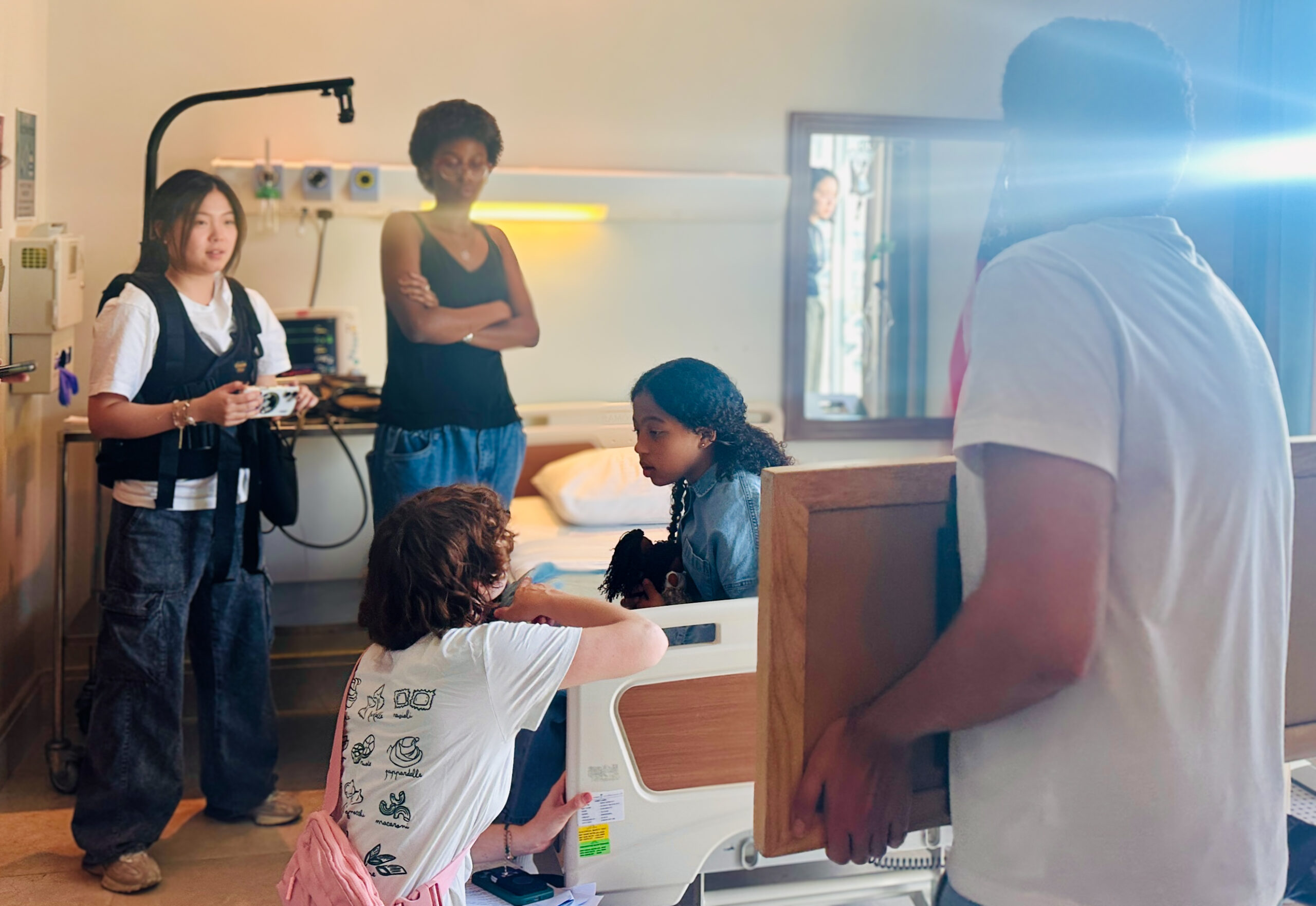
In the film, nine-year-old Andi refuses to believe her mother is truly gone after the pregnant woman is declared brain dead and kept on life support. She holds onto the idea that her mother is simply sleeping, retreating into her imagination and conversations with her dolls.
“The film stays inside a child’s attempt to hold on, and asks what it costs a family when a woman’s body is no longer her own to decide over,” Pfisterer said.

The Jasperite “wanted to discuss abortion laws by humanizing them and looking at them through a more emotional perspective rather than legislative.”
The film is now largely complete, but getting it to this point has been anything but straightforward.
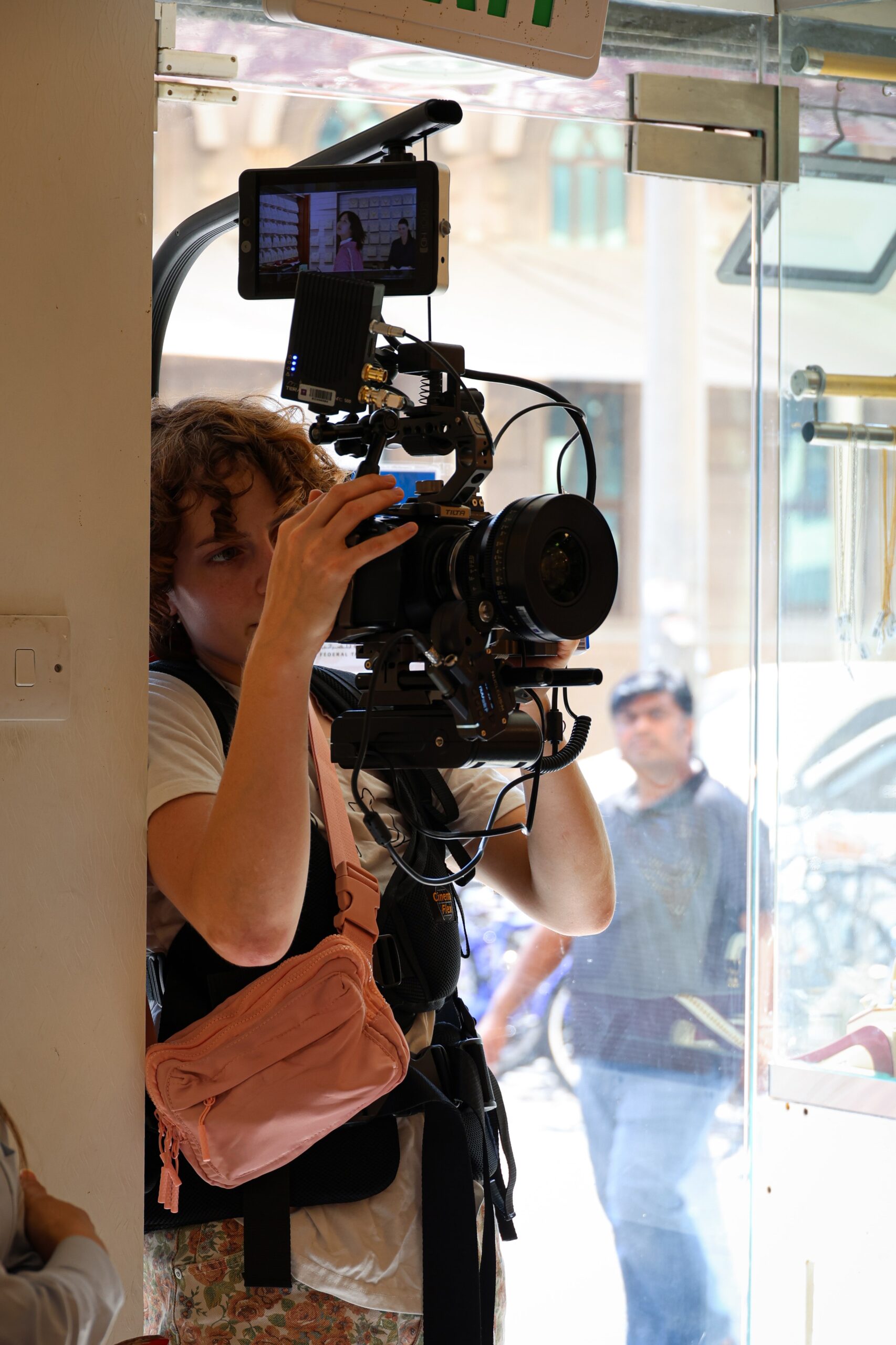
Pfisterer and her team shot the film in November and worked on editing from December through May. The production was based primarily at the university where she is studying in Abu Dhabi, the capital city of the United Arab Emirates, but the editing process was significantly disrupted by the outbreak of war in the region in February.
The university was temporarily evacuated after it became a target because of its American affiliation, leaving students without access to some of the resources they needed to complete their projects.
Pfisterer eventually found workarounds and finished the edited film by the end of May, but the delays meant sound work could not begin as planned.
That work is now underway, with sound design and original music remaining the major pieces to complete.
“Sound design and music really dictate what direction we take” emotionally, she said.
The film’s composer has significantly reduced her fees because she believe in the project and is asking only for the costs associated with producing and recording the music to be covered. About $2,800 of the fundraising goal will go toward those expenses. The remainder will help cover potential studio and recording-space rentals for the sound designer.
Pfisterer says the sound is particularly important to the film.
“Sound design is whatever you hear, whether it’s footsteps, grass rustling, or hospital beeps,” she explained.
Once completed, the film’s first target is the festival circuit. Sundance is the project’s “reach festival,” while Pfisterer also hopes to submit to festivals such as the Vancouver Women’s Film Festival.
But the specific festival matters less to her than finding an audience.
“The most important part of submitting and possibly screening at festivals is that the film’s message and the reflection associated with it reaches larger audiences,” she said.
The film’s themes have also taken on an unexpected resonance for Pfisterer since returning to Jasper.
At the end of It Is What It Is, Pfisterer hopes viewers are left questioning the tendency to accept enormous problems as simply the way things are.
That idea has taken on additional meaning for her since returning to Jasper and reflecting on the aftermath of the 2024 wildfire.
“Especially after everything that’s happened with Jasper, it’s so frustrating that when enormous issues happen in the world … the easiest reaction is to just say, ‘We can’t do anything about it. It’s just the way things are,’” she said.
The film’s ending makes that challenge explicit.
“At the very end, Andi looks straight into the camera and asks us not to accept her story as simply ‘what it is,’” Pfisterer wrote. “That look is the whole reason I need to finish this properly.”
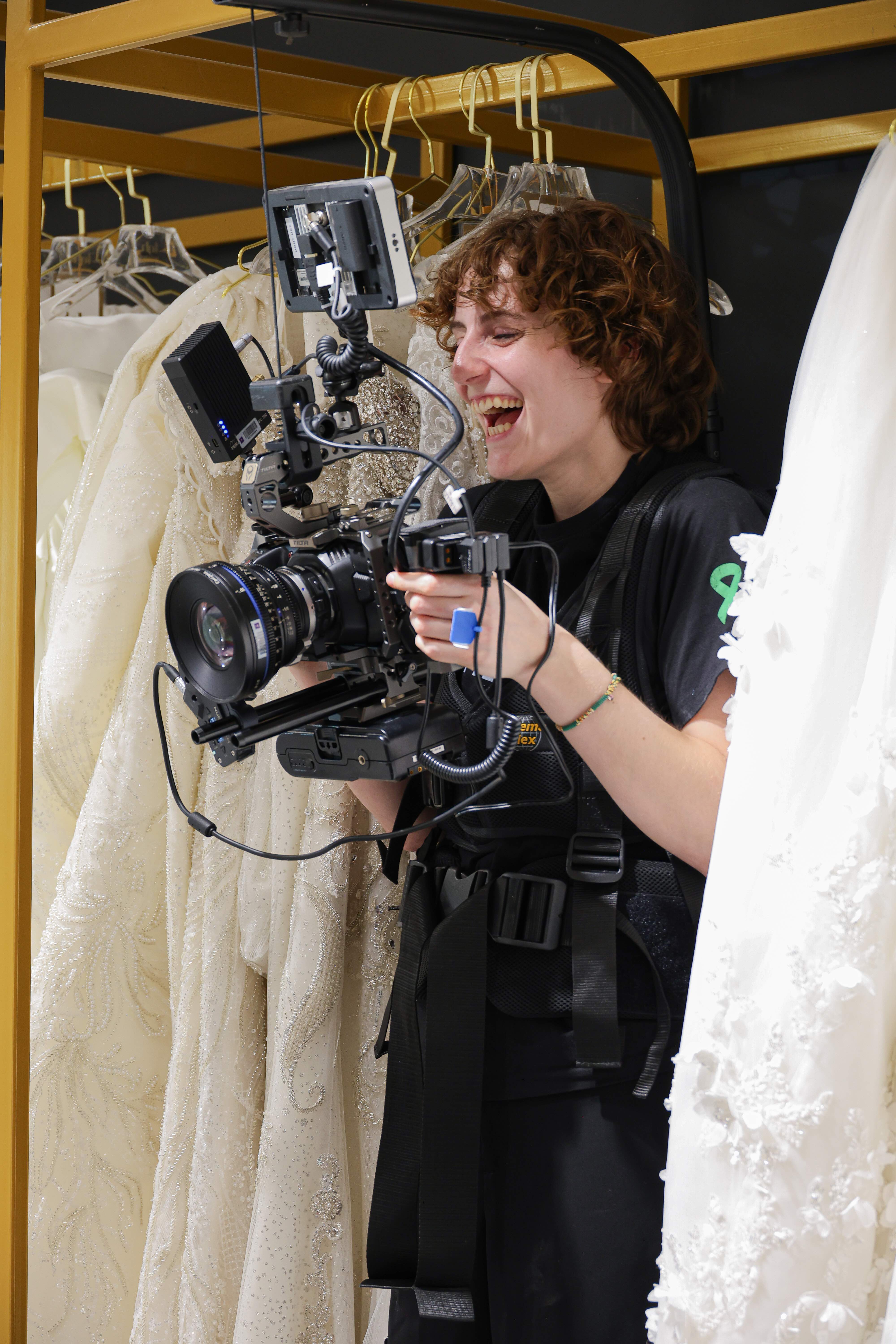
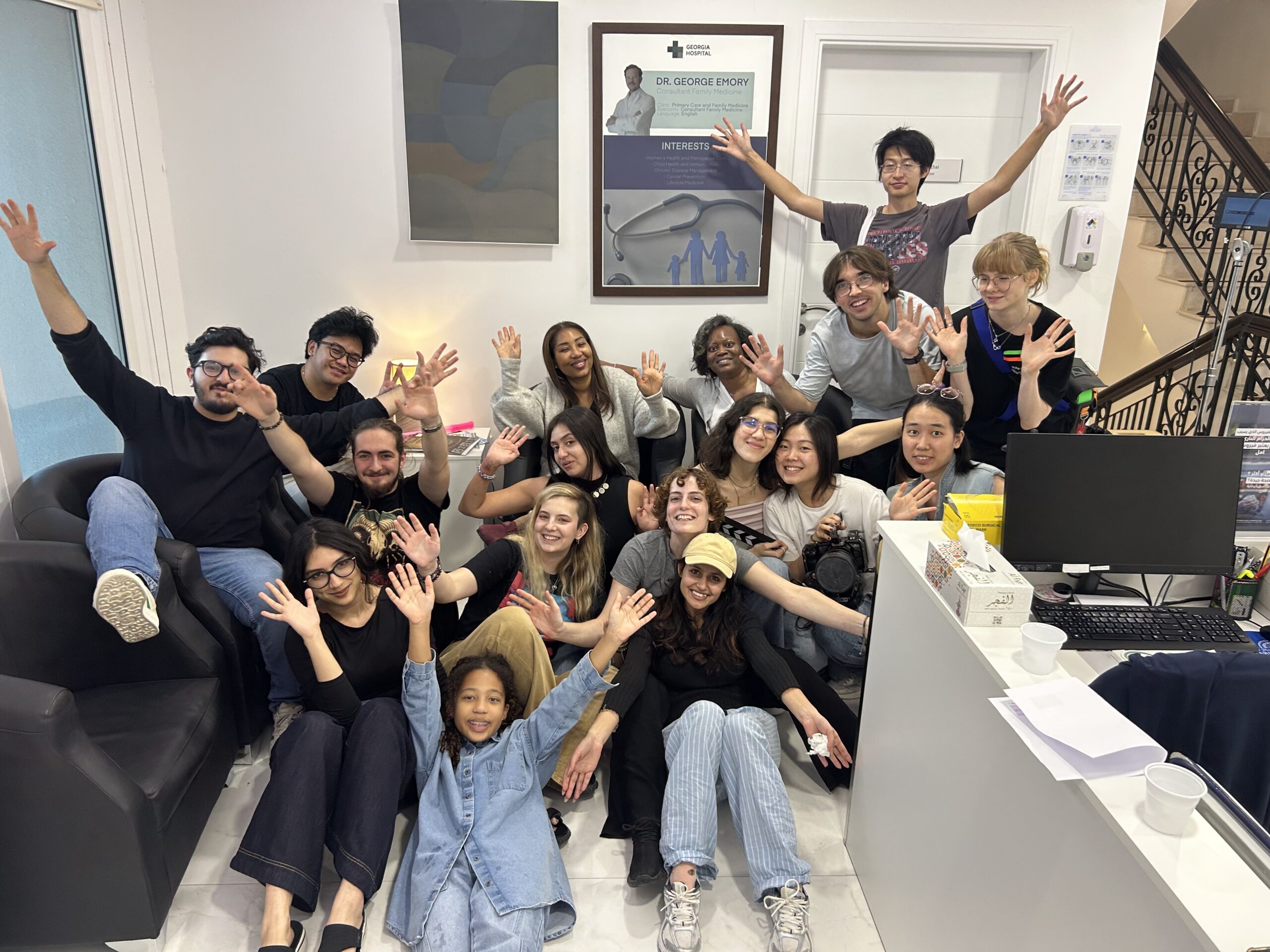
For Pfisterer, finishing the film is about more than completing a university thesis. It is her first short film that she feels is ready to send into the professional festival world—and the culmination of a project involving a large group of collaborators.
She describes the biggest lesson of the production simply as persistence.
“Ultimately, including all of those things, along with our delays like the war and the sound designer’s medical emergencies, the biggest thing that I’ve learned is persistence in order to get it done and send this message as far as it can go,” she said.
Despite the setbacks, Pfisterer and her collaborators have continued working to finish the project.
“We just can’t let Andi’s story sit half-finished,” Pfisterer wrote in the crowdfunding campaign.
She is now asking for community support to cover the remaining costs.
“I am an emerging filmmaker, and I’m incredibly passionate about this story,” Pfisterer said. “I think it’s something that needs to be out there and presented from a different perspective.”
Pfisterer and her team are seeking community support to cover the final sound and music costs. Contributions can be made through the film’s GoFundMe campaign at https://www.gofundme.com/f/finish-a-local-short-film-fighting-against-us-abortion-laws
And to learn more about the film and to check out the trailer, see Sophie’s website.
Bob Covey // bob@thejasperlocal.com