

Occupied and Under-Construction Properties Now Match Design-Phase Total
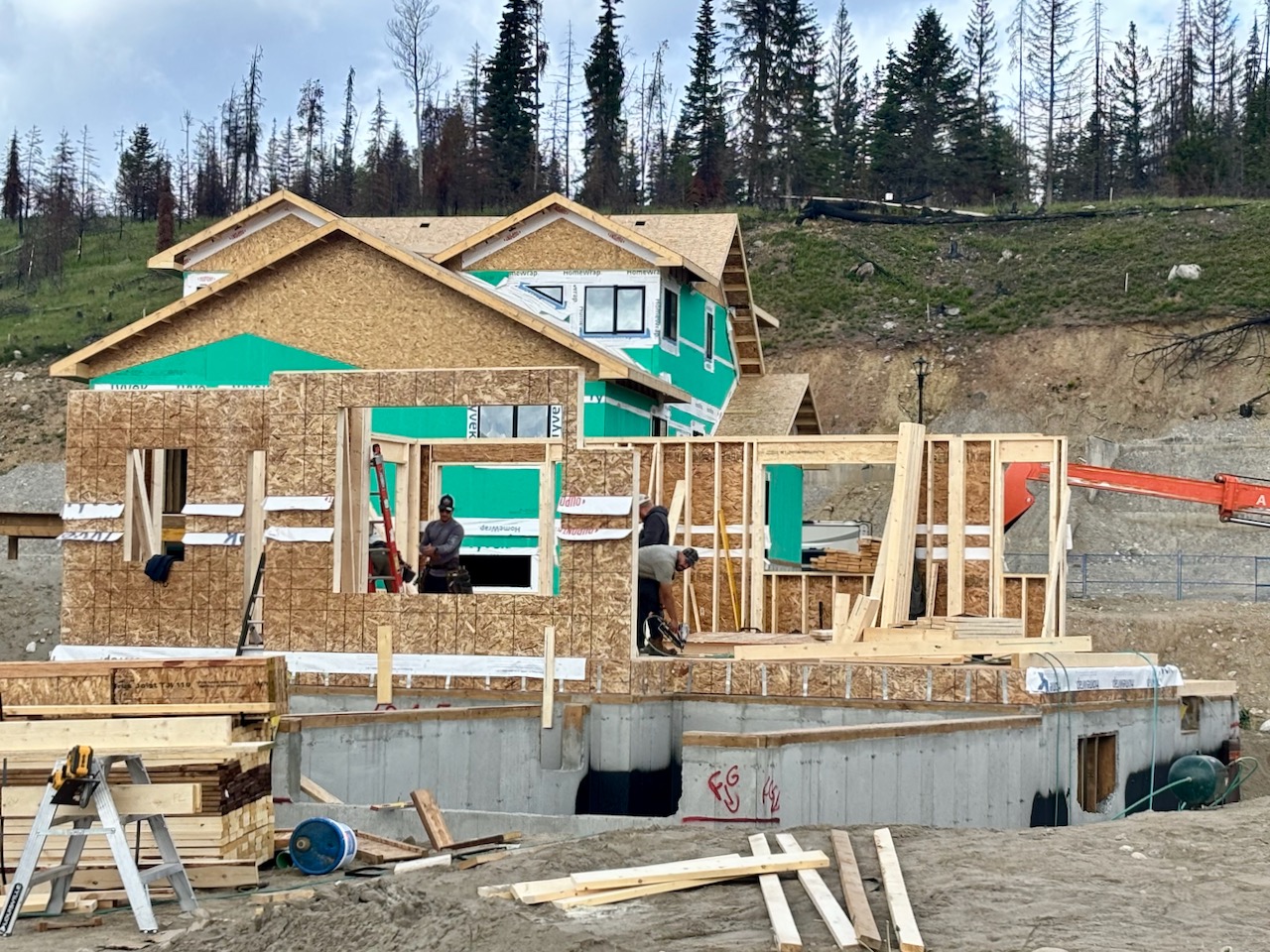
Jasper has reached a construction milestone as the number of fire-damaged properties ready for occupancy combined with those that have commenced construction, is equal to the number still in the design phase.
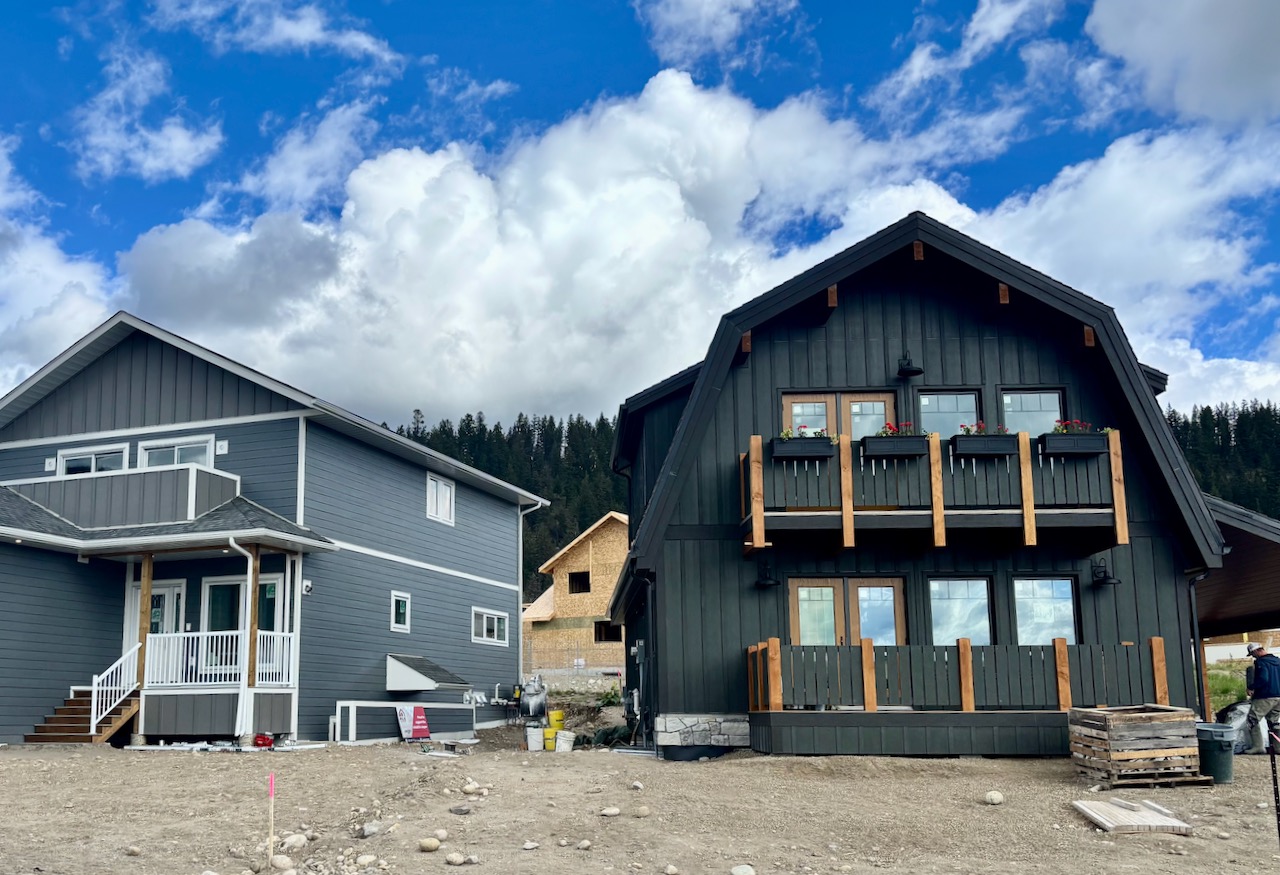
Doug Olthof, municipal director of recovery, told Jasper councillors on Tuesday (June 2) that Parks Canada has granted occupancy permits to 29 rebuilt properties as of late May, representing 43 dwelling units.
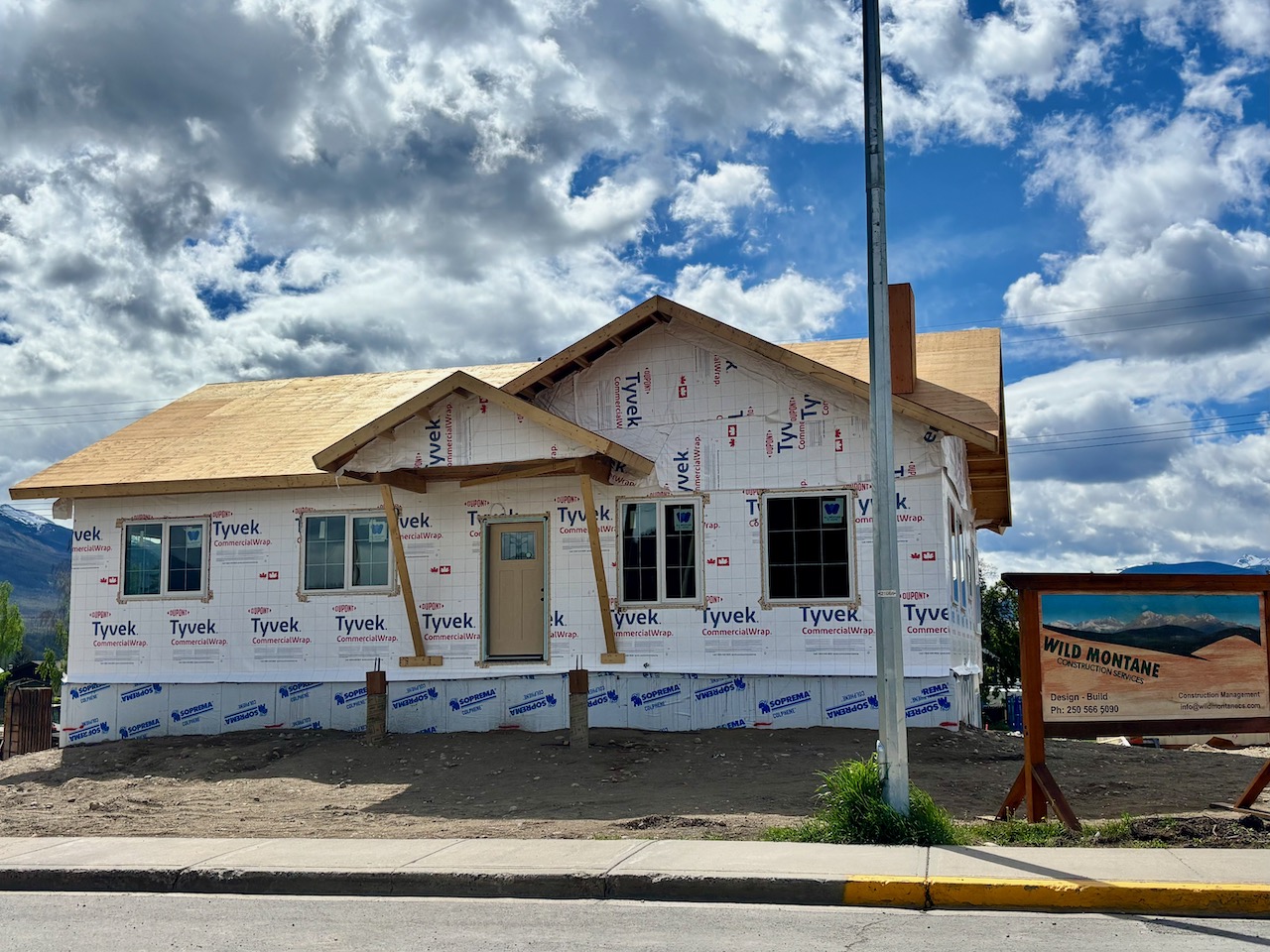
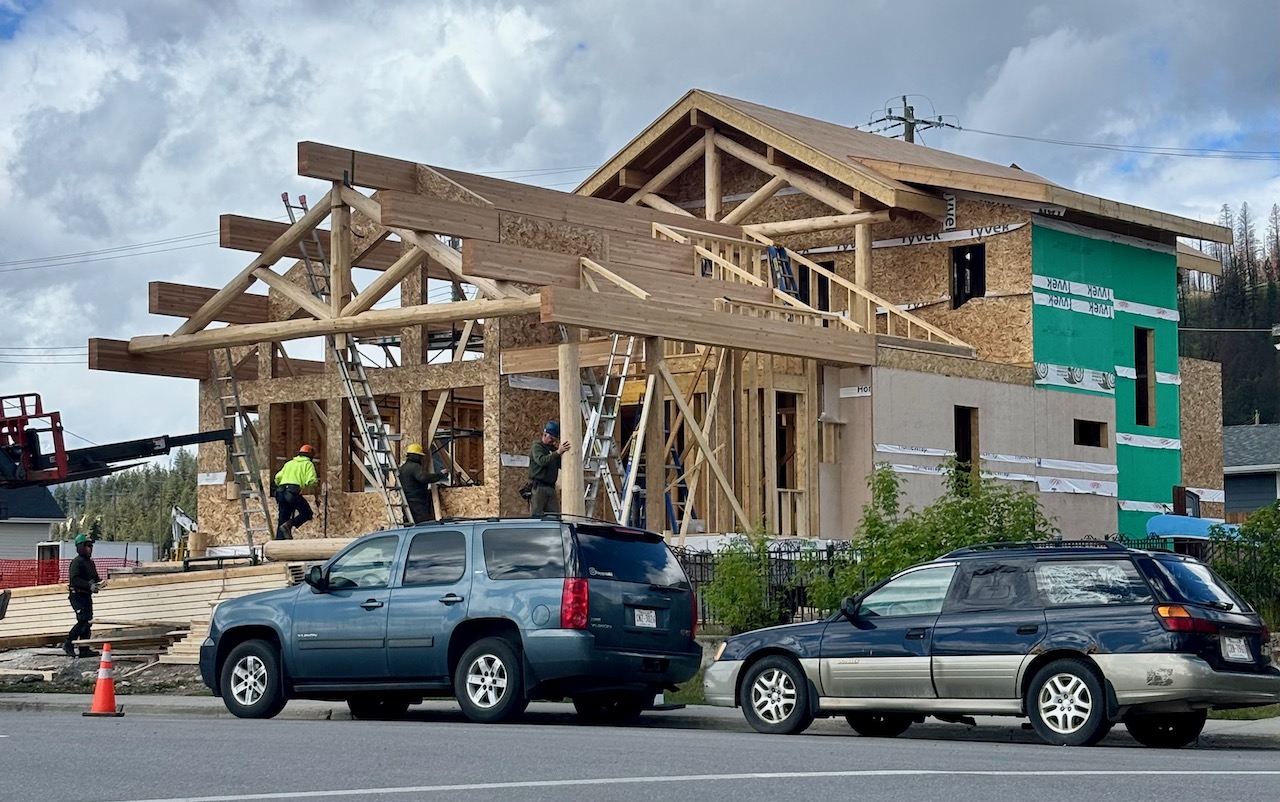
When adding that to the 83 properties with major construction underway, and also including 26 with signs of construction but no foundation poured, it totals 138 properties — the same number as those still in the prepare-and-design phase, Olthof said.
Of the remaining 374 properties affected by the Jasper wildfire, 82 are in the application process and 16 have permits but no visible sign of construction.
Coun. Laurie Rodger asked why 138 properties haven’t submitted their designs.
Olthof agreed it was “a large number” and that there were “a multitude of explanations.” He cited the Canadian Red Cross’s review of its case files, which found common obstacles include insurance challenges, design challenges and indecision.
“In many cases as well, people are making progress,” he said. “There’s a lot to be done prior to getting to the stage of submitting a development proposal.”
Coun. Ralph Melnyk noted between 15 and 20 parcels were up for sale out of the 138 and suspected many leaseholders would continue working through the design phase over the next several years.
Mayor Richard Ireland acknowledged how the number of properties still in the design phase had shrunk from 229 last October to 138 in May. However, he asked why the number of properties in the application process or with approved permits had largely remained the same, particularly when the permitting process was becoming more efficient.
Beth Sanders, director of Urban Design and Standards, said this showed a consistent number of people were entering the permitting process, and the number of properties with construction was continually growing.
All properties in Jasper are cleared of debris. Soil sample reports are pending for 16 properties, and Parks Canada is reviewing the reports of two properties.
Last month, Parks Canada and the Municipality released an updated Builders Guide for the 2026 construction season, including expanded guidance on permitting requirements and construction expectations for builders and industry professionals.
As for interim housing, 770 individuals are currently in the program with all units either occupied or allocated, and 15 businesses have been offered one dorm each at Marmot Meadows for their summer staff.
Needs assessment survey
In the latest needs assessment survey, roughly 43 per cent indicated they have returned to their pre-wildfire home in Jasper, while 11 per cent have permanently relocated outside of Jasper.
Thirteen per cent have permanently relocated to a new home in Jasper, 21 per cent are still displaced but living in Jasper and 12 per cent are still displaced but living outside of Jasper.
Around a third had their homes destroyed, another third had major or minor damage and the remaining third had no damage.
Over half of respondents had no homeowner or tenant insurance. Olthof said this revealed a lot of homeowners “were exposed to significant challenges in terms of the losses they sustained and the absence of insurance coverage.”
“This really exposes a vulnerability in our community,” said Coun. Kathleen Waxer. “We have many people working at lower-income positions and a steady influx of new young people.”

For those who had insurance, 37 per cent indicated they were only partially covered, and one per cent were not covered. Many were expecting shortfalls, particularly with building repair or reconstruction as well as replacement of lost contents, additional living expenses and debris removal and soil testing.
Ireland asked if 11 per cent who have permanently relocated could be cross-referenced with other factors such as those with no insurance.
Olthof cautioned that the reliability of data goes down when divided into smaller sizes, but he would return with a full report at a future meeting.
Nearly two thirds of respondents indicated they or someone in their household have been experiencing stress or mental health challenges because of the wildfire, and over half say their children have been experiencing stress or mental health challenges.
As for wildfire-specific supports, 35 per cent accessed income support, 33 per cent accessed food, 25 per cent accessed housing and 25 per cent accessed clothing.
Only 29 per cent have accessed no supports at all, and more than half indicted they would access some form of wildfire support over the next 12 months.
The survey was sent out last November to 1,600 households, which were selected randomly from a list of over 4,000 evacuee households registered with the Red Cross. A total of 584 unique responses, a response rate of 36.5 per cent.
Peter Shokeir, Local Journalism Initiative // info@thejasperlocal.com