

The case for—and against—poisoning prairie ground squirrels
On March 30, 2026, the federal government reversed a ban on strychnine and allowed Alberta and Saskatchewan to resume poisoning Richardson’s ground squirrels under an emergency exemption until 2027.
The decision overturned restrictions introduced in 2020 because strychnine kills far more than its intended target. For decades, most countries have banned or severely restricted the poison. Ottawa’s compromise rests on the assumption that mandatory training can make its use safe enough. That assumption deserves scrutiny.
The Defendants
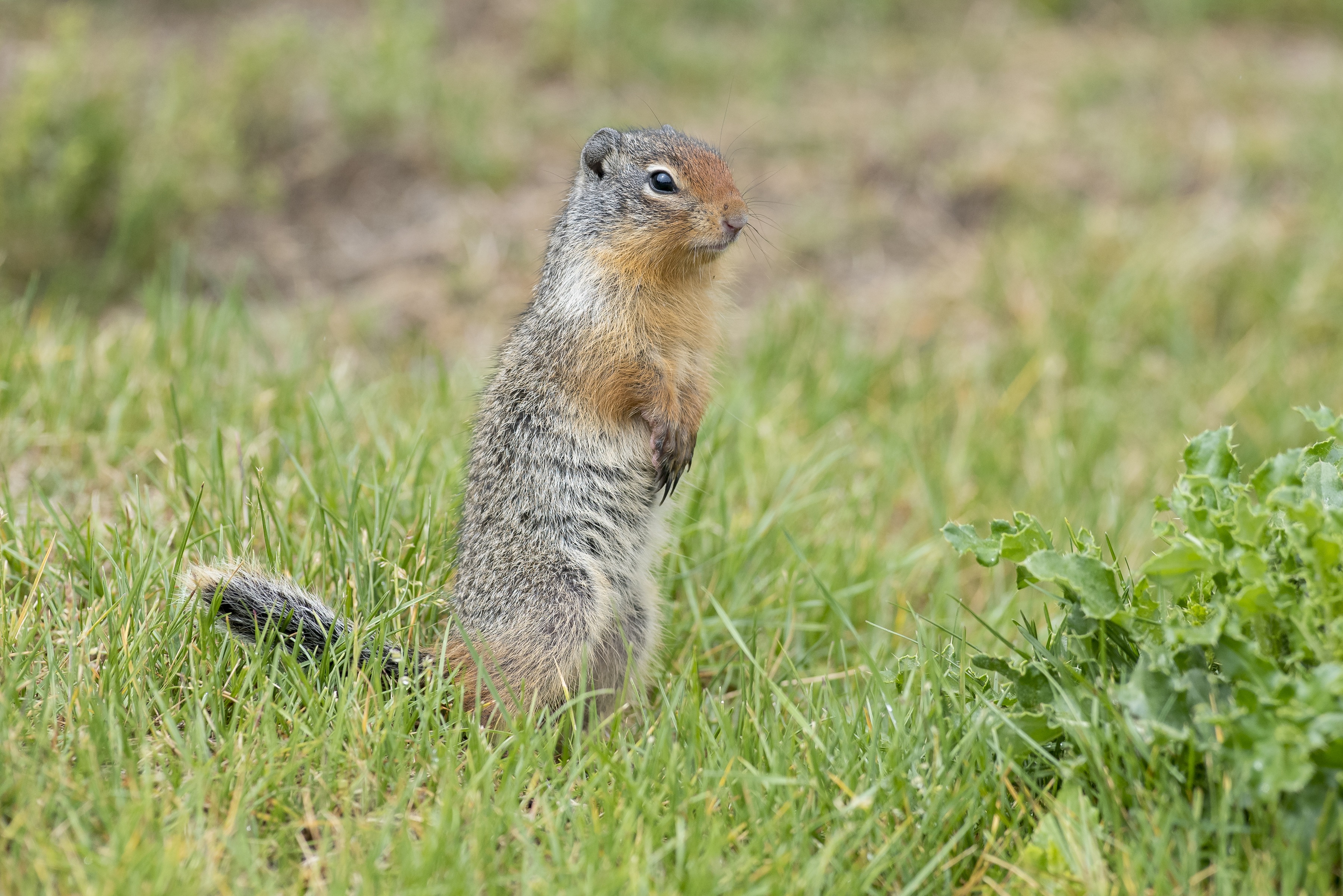
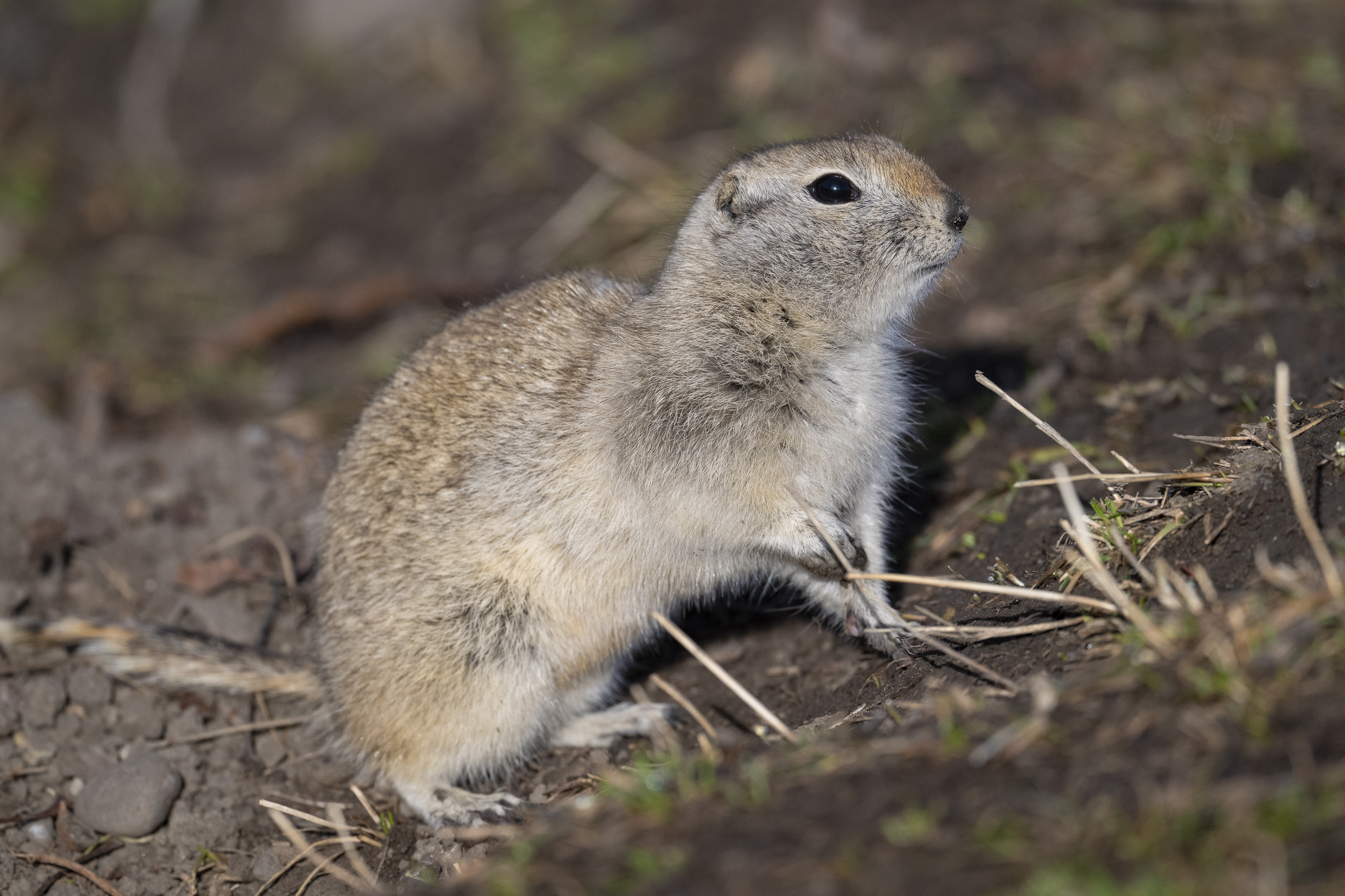
Richardson’s ground squirrels are close cousins of Jasper’s Columbian ground squirrels. They share much the same lifestyle: both live in underground burrows, spend up to eight months a year hibernating, raise two to six young each spring, and feed primarily on grasses and seeds. The crucial difference is habitat. Richardson’s ground squirrels thrive in agricultural landscapes, where their burrows and appetite put them in direct conflict with farmers.
The Case for the Prosecution
Farmers and the Alberta and Saskatchewan governments have lobbied Ottawa to reinstate strychnine ever since it was banned in 2020. They argue that Richardson’s ground squirrels inflict significant damage on crops and pasture, and say existing alternatives are too costly or labour-intensive to use across thousands of hectares.
Alberta has estimated the rodents cost its agricultural industry roughly $800 million annually, although publicly available evidence supporting that figure is non-existent.
The federal government’s compromise requires users to complete training on safe handling, treatment planning, proper bait placement and prompt collection of poisoned carcasses, with the goal of reducing risks to other wildlife.

The Case for the Defence
Conservation organizations and animal welfare advocates supported the original ban because strychnine doesn’t stop with the intended target. A poisoned ground squirrel can become a lethal meal for coyotes, foxes, badgers, hawks, owls, ravens, skunks, snakes, weasels and even family pets. The poison remains active in carcasses for months, and under some conditions can persist in soil long enough to continue killing long after the bait has been laid.
Years ago, when I worked as a wildlife biologist in Jasper National Park, my supervisor walked into my office carrying a commercial mouse bait station he had found behind one of the town’s restaurants.
His question was simple.
“Why are we poisoning wildlife inside a national park?”
The plastic box was intended for mice, but it wouldn’t stop there. Any owl, fox or other predator that ate a poisoned mouse could become the next victim.
I was tasked with convincing businesses to abandon rodent poison in favour of non-toxic alternatives. The simplest solution was also the most effective: clean up the spilled food. Remove the food source and rodents usually disappear. Where control was still necessary, quick-kill traps solved the problem without poisoning the predators that help keep rodent populations in check.
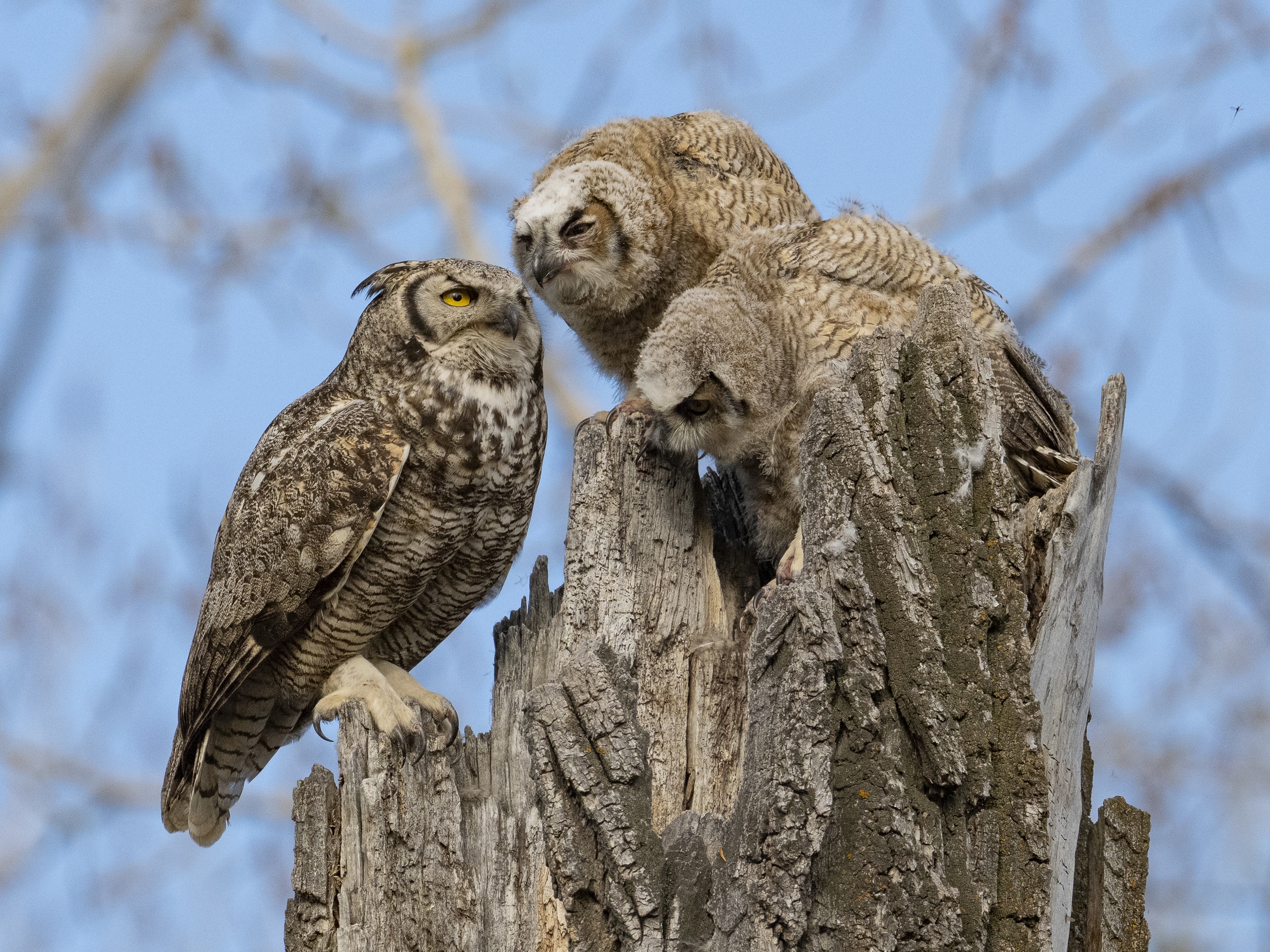
The danger with rodenticides is that they are designed to work slowly. Mice often wander away before dying, becoming easy prey for owls, foxes and other hunters. Strychnine is among the worst examples. Animals remain conscious while violent muscle spasms and seizures overwhelm their bodies. Death can take hours, depending on the dose, and every predator or scavenger that consumes the carcass risks the same fate.
Cross-Examination
The federal government’s compromise depends on farmers carefully placing poison into individual burrows and diligently collecting contaminated carcasses. Yet the principal argument for strychnine is that it is inexpensive, fast and practical across vast areas of farmland.
Those two ideas sit uneasily together.
The very economics that make strychnine attractive also make meticulous application and carcass collection less likely. Safe use demands time and labour—the very things proponents argue strychnine is meant to save.
Another claim is that there are no practical alternatives. Yet the United States—hardly known for excessive environmental regulation—controls Richardson’s ground squirrels without legal strychnine. Farmers rely instead on a combination of zinc phosphide, burrow fumigants, trapping, shooting and habitat management, including encouraging natural predators. None of these methods is perfect, and zinc phosphide carries risks of its own, but they demonstrate that controlling ground squirrels does not require a poison capable of devastating entire food webs.
Ironically, widespread poisoning may even undermine its own purpose. Predator populations recover more slowly than ground squirrels. After both decline, the squirrels are likely to rebound first, potentially setting the stage for another population boom—and renewed demands for poison.
The Verdict
There is no perfect solution to Richardson’s ground squirrels. Every control method comes with costs.
But a poison that lingers in the environment, kills indiscriminately and causes prolonged suffering should not be among them.
If protecting crops means relying more heavily on predators, improving habitat, using targeted control methods—or even accepting slightly higher food prices—that seems a far smaller price to pay than poisoning entire food webs.
The defence rests.
Mark Bradley // info@thejasperlocal.com