

A conversation near the river offers a chance to consider why separation appeals to some Albertans, and why staying in Canada is worth showing up for.
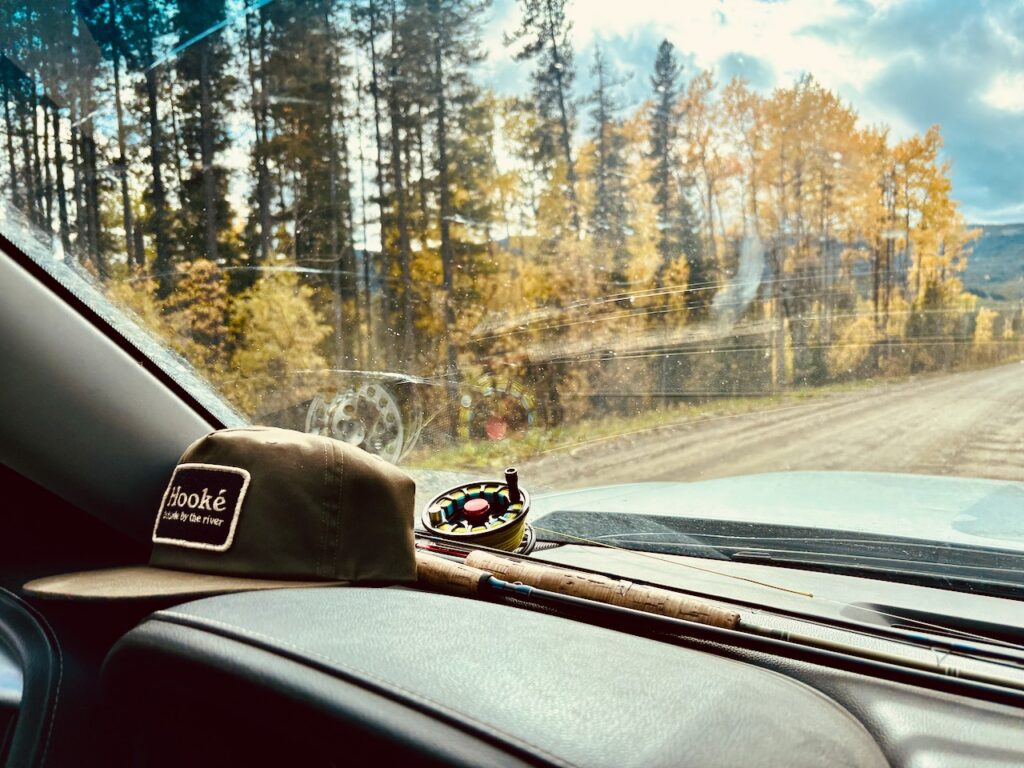
On the way back from the Smoky River recently, my new fishing buddy brought up a subject I’d hoped we’d be able to avoid.
Not the fact that we’d been skunked—I’m used to that. Instead, he brought up the other “s” word: separation, and the corresponding question on the October 19 referendum: whether Alberta should remain a province of Canada or begin the process toward a future binding vote on independence.
“What do you think?” he asked earnestly. “Me, I’m still on the fence.”
My friend lives in Hinton, a community where a relatively large number of Free Alberta flags flap in the west winds. Without painting the entire region with a broad, blue brush, I suspect the flags have something to do with Hinton’s proximity to the energy sector and the economic concerns shared by many resource communities.
For residents who feel aggrieved by distant decision-makers, separatist rhetoric offers a relatively straightforward explanation for Alberta’s complicated problems. Housing affordability, inflation and declining public services, separatists suggest, stem from a federal system that doesn’t respect the province or its financial interests.
Enter the Alberta Prosperity Project’s pitch: a promise of economic control, recognition and agency for frustrated Albertans. Join us and be free of those meddling elites! Control your own destiny! Reap the riches you’re entitled to!
Of course, there’s plenty of fine print. The economic and fiscal implications of independence remain uncertain, with the University of Calgary’s recent analysis identifying a range of potential risks and outcomes depending on how separation unfolded. Then there are the practical questions: What currency would a sovereign Alberta use? How would it secure access to tidewater? How would it honour the rights of First Nations whose Treaty territories include much of the province?
But after listening to my fishing buddy, I could at least begin to understand how we got here.
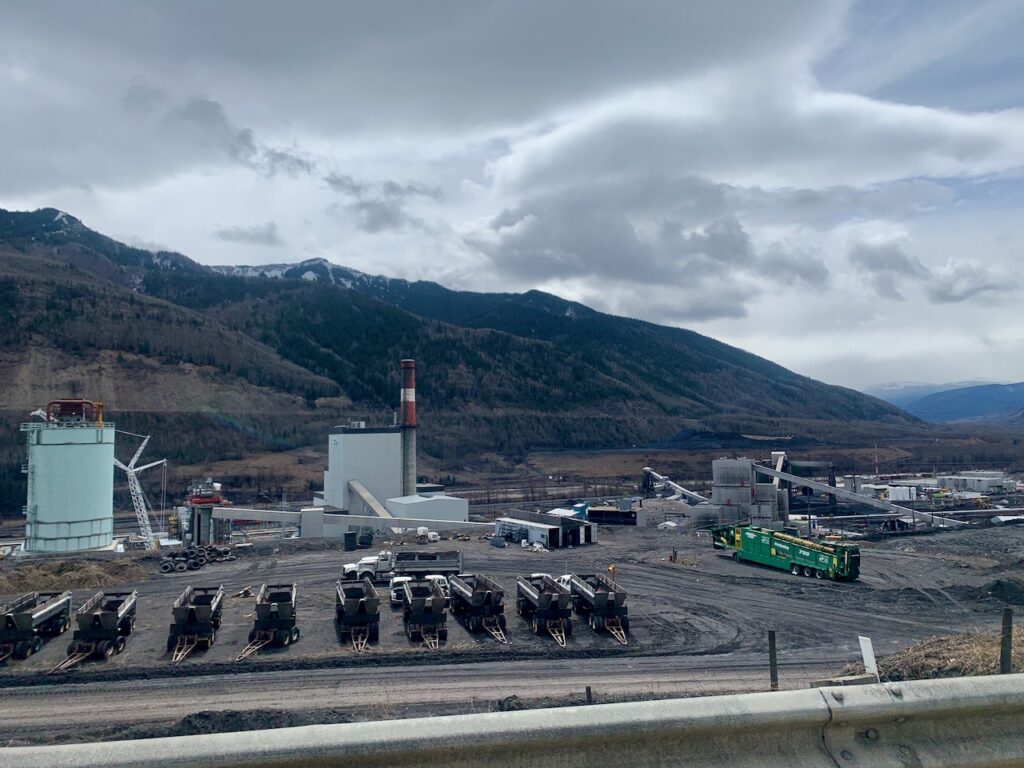
I imagined a forester who has watched mills close, a miner who has seen the industry scale back, or an oilfield technician who has experienced repeated layoffs. These are real issues affecting Alberta families. I could see how someone living that boom-and-bust reality might be swayed by the idea that these problems aren’t an inevitable feature of living in a resource-dependent region, but a consequence of lacking control over the decisions and revenues shaping the economy.
“I remember the same thing happening in Newfoundland, where I grew up,” my buddy said, drawing a line between Labrador’s controversial Churchill Falls electricity deal, Atlantic Canada’s fight for control of offshore oil resources and the perennial grievance over equalization.
These comparisons have obvious appeal to Alberta separatists. But the details matter. Equalization, for example, is funded from general federal revenues, not through direct payments from one province to another. All provinces have received equalization at some point since the program began in 1957, and Quebec’s large total payments reflect, in part, its large population.
In an alternative-media environment that often rewards outrage over nuance, such distinctions can get lost. The grievance survives; the context gets crowded out.
The drive back to where I’d left my van near the junction of Highways 16 and 40N took about an hour, giving me plenty of time to listen to my friend’s point of view and understand why some of his contemporaries are convinced that the West is being constrained by federal authorities, and that independence would give Alberta greater control and negotiating power.
It also gave me time to explain why I believe Alberta should unequivocally remain in Canada.
Forget the unanswered questions about banking, trade and how federal assets (Jasper National Park comes to mind) would be dealt with. Never mind that Alberta is landlocked, or that a persuasive case has yet to be made about what would happen to pensions, public services and federal debt.
And for argument’s sake, let’s ignore the fact that Indigenous nations, whose constitutionally protected rights are fundamental to any discussion of Alberta’s future, are not just another stakeholder whose concerns can be addressed after the political decision has been made.
Even putting all that aside, I would never, EVER, hitch my wagon to the people purporting to lead Alberta’s independence movement, without serious questions about their credibility and accountability.
Those questions include ongoing legal disputes involving prominent figure Jeffrey Rath and former First Nations clients; a voter-data leak involving the personal information of nearly three million Albertans, which has prompted multiple investigations; and reported efforts by separatist advocates to enlist political and financial support from the United States. These matters differ in nature and status, but each warrants scrutiny from Albertans being asked to contemplate a historic constitutional change.
I’m not deaf to my fishing buddy’s point of view. I know Alberta has grievances with Ottawa. But wanting a different relationship with Canada is not the same as demonstrating that independence would work.
So no, I’m not on the fence on Question 10—or the other questions on the referendum ballot this October 19, for that matter.
But my lone ballot won’t get the job done. People who oppose separation cannot assume their neighbours will vote to keep Alberta in Canada. And those who support independence deserve to know that the result reflects an actual choice made by the electorate, not simply the views of those motivated enough to show up.
As Jasper Mayor Richard Ireland recently put it: “It is not the separatists who are the threat. It is inaction by the rest of us. We cannot let complacency cost us Canada.”
That’s the message I hope my fishing buddy will reel in.

Bob Covey // bob@thejasperlocal.com