

Council trims proposed increase from 10.1 per cent while adding five continuous positions, three term positions and one term-to-continuous conversion
Jasper homeowners could see a 7.2 per cent property tax increase next year, provided the federal government continues to waive land rent.
During this week’s budget discussions, council also amended the draft to include five continuous positions and three term positions, while converting another term position to continuous. The budget relies on a $13.5-million tax envelope, up $911,000 from 2026. Council has yet to approve the budget, which must happen before the end of the year.
“It’s difficult work, and you’re facing some weighty decisions,” CAO Bill Given told council.
“The role of council at the time of the wildfire obviously was stressful and difficult, but I don’t think we should underappreciate the important role you have now of figuring out how the community transitions out of recovery and into ongoing operations.”
The draft budget initially called for a 10.1 per cent tax increase, largely due to a $448,000 increase in operating costs and $559,000 budgeted for the return of land rent, Given said.
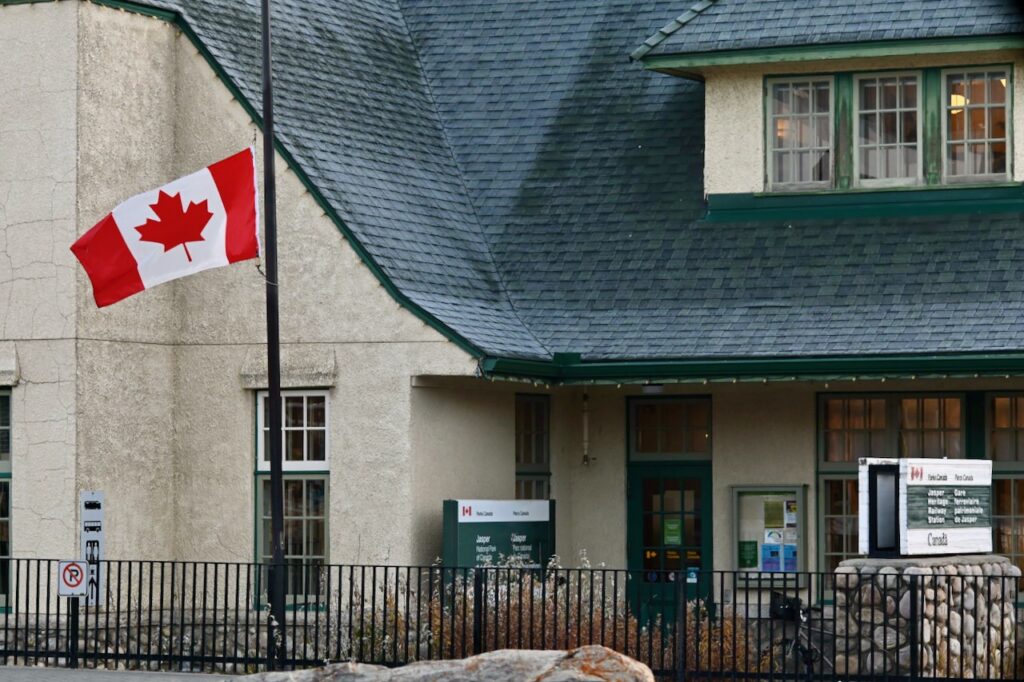
The Municipality of Jasper, which sits within a national park, has historically paid land rent to the federal government because it leases the land on which the community is built. A temporary three-year waiver was granted as wildfire relief but is set to expire March 31.
Council has asked the federal government to extend the waiver for another two years. If granted, the extension would save the Municipality $559,000 next year. That’s less than the $710,000 it paid in 2023 because the current waiver covers the first quarter of 2027.
Mayor Richard Ireland said Parks Canada has not provided a firm answer amid uncertainty surrounding the federal budget, but he expressed “significant confidence” that the extension would be granted.
“Parks Canada has been an absolutely tremendous partner through our recovery and has recognized the need that we have for recovery and relief from land rent,” Ireland said.
The agency’s national office did not immediately respond to a request for comment.
As for the $448,000 increase in operating costs, Courtney Donaldson, director of Operations and Utilities, attributed it to “death by a thousand cuts.” The largest change was separating the director’s office into its own service area, meaning utility revenue would no longer help fund it.
Council directed administration to move half of that expense back into the utilities budget, allowing utility revenue to reduce the tax requisition by about $100,000.
Council further reduced the tax burden by adding another $200,000 in paid parking revenue to the 2027 budget, lowering the proposed tax increase by more than one percentage point.
“It’s a meaningful change from a taxpayer’s perspective,” Ireland said. “Visitor paid parking affects visitors; it does not affect our local taxpayers or our residents, so it seems to me to be an opportunity that awaits us.”

Given said additional revenue could be generated through options other than increasing parking rates, including expanding paid parking zones.
Council also agreed to incorporate all community group funding requests into the budget. Ireland abstained from voting on funding for the UpLift! Jasper Mural Festival because his son co-founded the festival.
Coun. Laurie Rodger objected to the Jasper-Yellowhead Historical Society’s $50,000 request to plan a museum expansion, saying he wanted to see how the society intended to fund the project. Council ultimately retained the request in the draft budget but asked administration to return with a presentation from the museum.

Much of Jasper’s recovery spending is covered by provincial funding, which pays 90 per cent of eligible costs. This primarily supports the Jasper Recovery Coordination Centre, although the Municipality has been drawing on reserves to cover the remaining 10 per cent.
Jasper is expected to contribute $7 million toward recovery expenses, a major factor in its debt increasing from $31 million this year to a projected $55 million by 2029.
Ireland said the Municipality will need to advocate for the Province to cover all recovery expenses rather than just 90 per cent.
The Province also pledged $3.1 million in financial stabilization funding last year to help offset the loss of nearly a third of Jasper’s taxable properties in the 2024 wildfire. The funding is expected to continue until 2029.
Position requests
Council is considering converting two term positions originally funded through recovery dollars into permanent positions. No positions are finalized until the budget is approved.
The executive advisor, who supports the CAO, would require more than $121,000 in tax support next year. Given said the position has helped him manage his workload while also supporting the Wildflowers Childcare expansion, the Cabin Creek neighbourhood rebuild and the Municipality’s business continuity program.
Coun. Wendy Hall said the position was necessary given the increasing complexity of municipal governance and administration since the wildfire, adding that those demands would extend beyond the recovery period.
“It’s really important to move forward without continuing to assess our needs based on a pre-wildfire lens,” Hall said.
Council also supported making the IT technician position continuous, at a tax cost of $49,000 next year. The position would complement the Municipality’s existing IT co-ordinator.
Coun. Kathleen Waxer pointed to growing cybersecurity challenges and the risks of relying on a single employee to manage the Municipality’s IT needs.
“Having all of the IT sitting on the shoulders of one individual is very clearly a risk,” she said.
Three other continuous positions would be early childhood educators to staff Wildflowers Childcare, which is expected to add 22 spaces next fall. These positions would have no impact on the tax envelope because the facility is self-sustaining.

Staff also proposed making the HR consultant position continuous. Council instead amended the budget to fund it only until the end of 2027. Given said the position has helped address longstanding issues and manage staff turnover following the wildfire. It would add $27,000 to next year’s tax burden.
Rodger supported keeping the position temporary, citing uncertainty around expenses such as land rent.
Council also added a term economic development co-ordinator, at a tax cost of $50,000, and may extend an existing town planner position to the end of 2027 for $55,000.
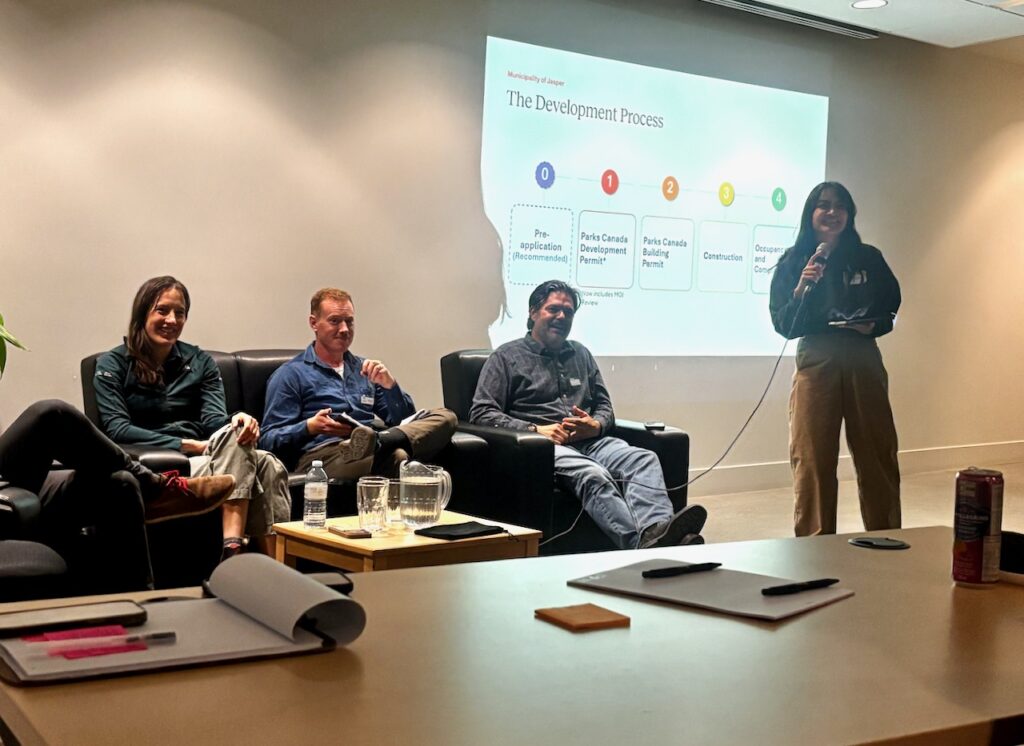
The economic development co-ordinator would help develop a strategy to guide municipal support for the local economy. The town planner would continue work on a new town plan and updated land-use bylaw as the Municipality prepares to assume development and planning authority from Parks Canada.
Council also agreed to convert a term custodian position to continuous, at a tax cost of $13,620 next year to cover benefits.
Two proposed positions were rejected. Council opted not to include a term psychological safety co-ordinator, which would have cost $50,000 in taxes, despite staff citing rising workers’ compensation premiums following the wildfire.
A proposed legislative services manager, requiring $93,000 in tax support next year, also wasn’t approved as a continuous position. Rodger said he wanted to see whether the executive advisor could take on records management and the role of municipal privacy officer.
Coun. Kable Kongsrud opposed most of the proposed positions, citing the Municipality’s growing debt.
“I’d like to see us use the resources that we have,” he said.
Peter Shokeir, Local Journalism Initiative // info@thejasperlocal.com