

First-come, first-served campgrounds’ days are numbered in Jasper National Park
For decades, Jasper residents could decide on a summer camping trip with little more planning than throwing some gear in the vehicle and heading 15 minutes east of town.
That spontaneity is about to become harder to find.
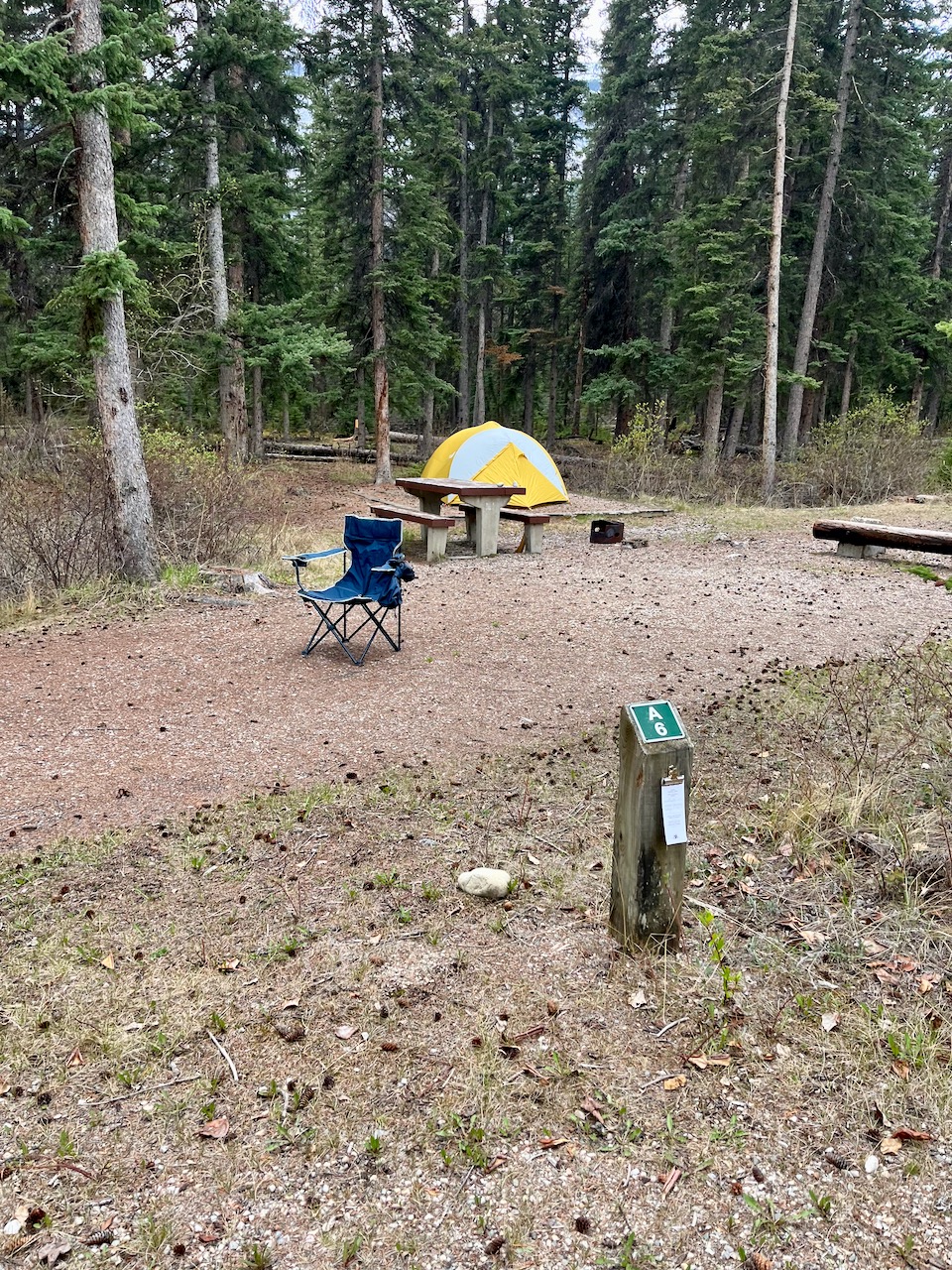
Beginning in 2027, Parks Canada will move six of Jasper National Park’s remaining first-come, first-served campgrounds onto its online reservation system. Snaring, Kerkeslin, Honeymoon, Jonas, Wilcox and Icefield Tent will become fully reservable, adding approximately 240 campsites to the system.
For Parks Canada, the change is about replacing lost inventory, responding to changing camping habits and making better use of campgrounds that are currently underused.
For some Jasper residents, however, it represents the loss of something harder to measure: the ability to get away on a whim.
“There’s quite a bit of concern,” said longtime Jasper resident Randy Daniels, who said a grassroots petition opposing the change has gathered more than 50 signatures.
Daniels, who said he’s far from the only Jasperite concerned about the changes, said Snaring has been part of his family’s summers since the mid-1980s. His children grew up camping there, and now the next generation is experiencing the same place.
“I remember our kids running around there when they first started to walk,” he said. “And many members of the community have had the same experience.”

For Daniels, Snaring has become much more than a convenient campground. It is one of the few places where Jasper residents can reliably escape the pressures of the busy summer season.
The nature of employment in Jasper, he said, also makes advance planning difficult. Many residents work in the service industry or for the railway, where schedules can make it difficult to know months ahead when a camping opportunity will arise.
“The one place in the park we can get away,” Daniels said.
That sentiment is echoed in a letter penned to the superintendent of Jasper National Park by John and Carol Ward. The couple wrote that spontaneous camping is the only option for some Jasperites who work varying shifts. They described Snaring as a place where families and friends have gathered for generations, and said the ability to make last-minute getaways is particularly valuable while the community continues to recover from the 2024 wildfire.
Parks Canada acknowledges that particular kind of spontaneity will be lost, but says the six campgrounds are being moved into the reservation system for several reasons.
More than 450 campsites that were previously reservable were lost in the wildfire, largely at Wabasso and Wapiti. The six first-come, first-served campgrounds will restore roughly 240 reservable sites.
At the same time, Parks Canada says use of the six campgrounds has declined significantly. Collectively, they were about 70 per cent occupied a decade ago; today, only about 40 per cent of available camping nights are being used.
Graham Wylde, visitor experience manager for the Jasper Field Unit, said that reflects a broader change in camping habits.
“Campers really are more unwilling to take the risk of travelling several hours, taking time off, spending lots of money on gas and camping equipment,” Wylde said. “They want that security of a reserved campsite.”
Parks Canada also hopes reservations will encourage visitors to spread out along the Icefields Parkway instead of concentrating around Jasper’s busiest campgrounds, potentially encouraging longer stays around areas such as the Columbia Icefield.
The shift also extends beyond Jasper. Parks Canada has already moved Rampart Creek and Silverhorn Creek in Banff National Park onto the reservation system, while Wylde said Waterfowl Lakes and Mosquito Creek are also being considered for future conversion.
For locals concerned about losing spontaneous camping, Parks Canada points to its “Notify Me” feature, which can alert campers when a reserved site becomes available through a cancellation. Wylde said approximately one in eight campground reservations are cancelled.
Parks Canada also plans to retain some first-come, first-served capacity through the overflow area. But that will operate on a by-demand basis, primarily during peak summer weekends, rather than providing the same year-round spontaneity as Snaring currently does.
Daniels isn’t convinced the online system can recreate the experience.
“I can’t see how it would,” he said.
He also worries that advance reservations favour people with the flexibility and financial means to plan well ahead, while leaving shift workers and locals competing for cancellations.
He understands Parks Canada has concerns about people reserving sites and failing to show up, and acknowledged that as a legitimate issue. But he believes the agency also needs to account for the unique pressures faced by people living in a tourism town.
When Jasper becomes crowded in summer, he said, residents can find it difficult simply to park, shop or move around town. Having somewhere nearby to escape to becomes particularly valuable.
“The things we loved about living here are no longer available,” Daniels said. “Snaring was the one place where it still feels like it used to.”
And while he believes the grassroots opposition is significant, he suspects Parks Canada has already made its decision.
“It’s the world we live in,” he said.
Bob Covey // bob@thejasperlocal.com